What the Multiuse Roadway Safety Account Funds
It’s a common scenario for many of us who love to hit the trails and approved roadways of Washington on our ATVs and UTVs: you pay your registration fees, get your tabs, and maybe even your special metal tag, but you’re left wondering, "Where does all that money actually go?" It’s a completely valid question, especially when you consider all the different fees and designations. One specific area that often piques curiosity is the Multiuse Roadway Safety Account. This guide is here to unravel the mystery and explain exactly what this account funds, why it exists, and how it impacts your riding experience on Washington’s shared roads.
Understanding Washington's Multiuse Roadway Safety Account
When Washington lawmakers decided to open up certain public roads to wheeled all-terrain vehicles (WATVs), they recognized that it wasn't just about sticking a "street legal" tab on your machine. There were real safety and infrastructure considerations that needed dedicated funding. That's where the Multiuse Roadway Safety Account comes into play. It's a specific, purpose-driven fund designed to support the safe integration of WATVs onto the road system.
Where Does the Money Come From?
The primary source of funding for the Multiuse Roadway Safety Account comes directly from the "road tab" that many WATV owners purchase. When you decide to add the on-road riding privilege to your machine, you're paying a specific fee for that privilege. This isn't just a generic bucket of money; a dedicated portion of that fee is earmarked for this account. So, every time you or another rider pays for the ability to legally operate a WATV on approved county or city roads, you're directly contributing to the safety and infrastructure efforts designed to make that possible.
It's important to understand this distinction. The money isn't coming from general taxes or even from the off-road registration fees. It's specifically tied to the privilege of riding on the pavement. This ensures that the costs associated with integrating these machines safely onto the road system are primarily borne by those who benefit directly from it. Think about it as a dedicated fund for a dedicated purpose, providing a clear line between the fee you pay and the benefit you receive. If you've ever wondered about the [Washington On-Road Tab Cost], now you know a significant part of where those dollars end up.
Why Was This Account Created?
The creation of the Multiuse Roadway Safety Account wasn't an arbitrary decision; it was a response to a growing trend and legislative changes. As WATVs gained popularity and riders expressed a desire to connect trails or access services via public roads, Washington state recognized the need for a structured approach. Simply allowing machines on roads without considering the ramifications would have been irresponsible. The legislative intent was clear: provide a mechanism to fund the necessary safety measures, educational programs, and infrastructure improvements that would allow WATVs and traditional vehicles to coexist safely on specific roadways.
The account was established to ensure that when a county or city "opts in" to allow WATV use on its roads, or when it establishes specific routes, there's funding available to support that decision responsibly. This isn't just about opening roads; it's about opening them with forethought and resources. The [The Department of Licensing and Washington ORVs] plays a crucial role in collecting these funds and ensuring they are distributed and utilized according to the legislative mandate. Without a dedicated fund, it would be much harder for local jurisdictions to justify and implement the necessary changes to accommodate WATVs safely.
What the Multiuse Roadway Safety Account Funds
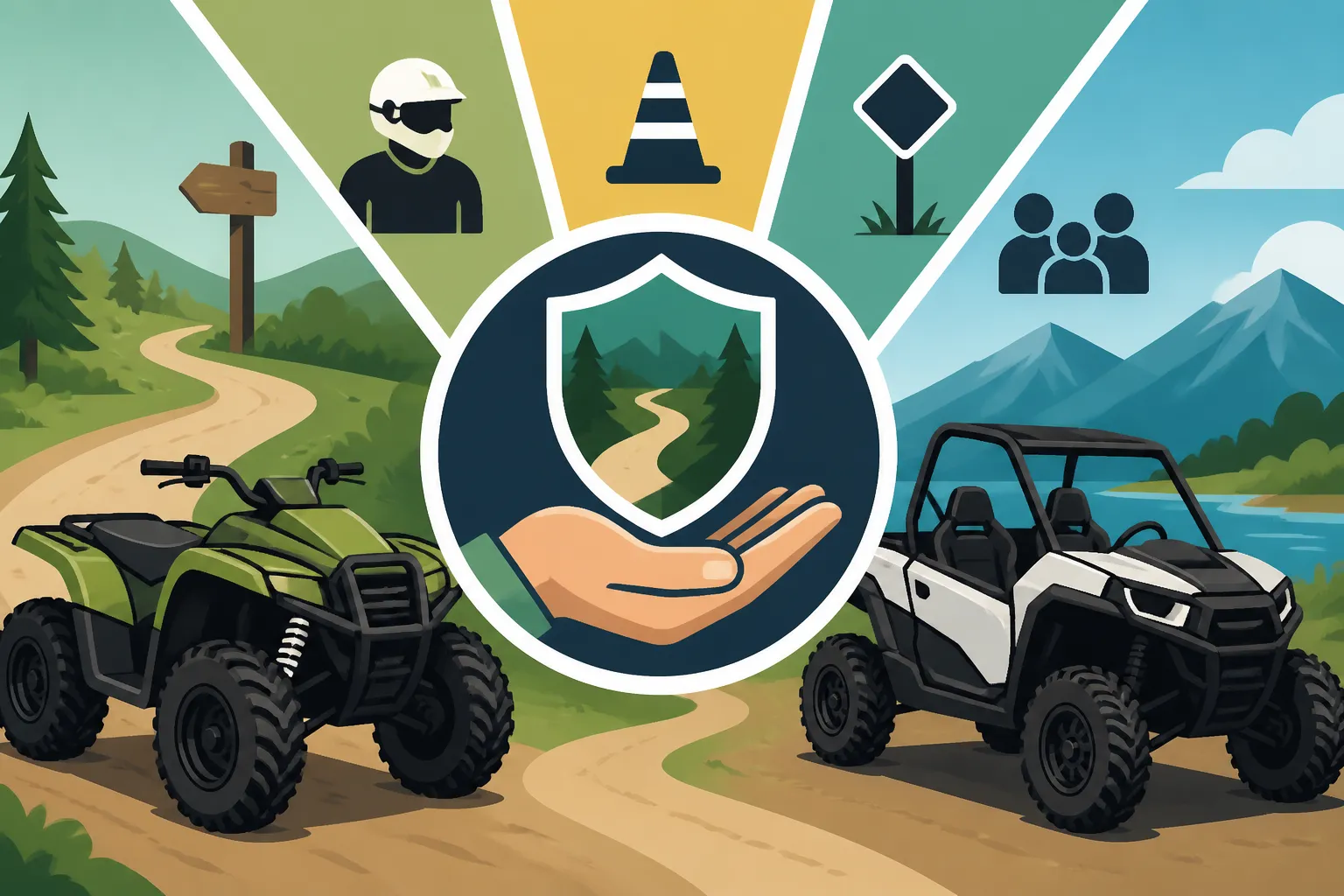
Now for the exciting part: seeing where your hard-earned dollars actually go! The Multiuse Roadway Safety Account is designed to address a broad spectrum of needs related to WATV use on public roads. It's not just about paving roads; it's about the entire ecosystem of safe, shared use.
Enhancing Road Safety for WATVs
One of the primary focuses of this account is safety. When you put a smaller, often slower, and differently-maneuvering vehicle like a WATV on a road designed for cars and trucks, new safety considerations immediately arise. The account funds initiatives specifically aimed at mitigating these risks and making the shared environment safer for everyone. This includes:
- Road Signs and Markings: Imagine riding on a county road that suddenly becomes open to WATVs. Clear signage is paramount. Funds from this account can be used for installing "Shared Roadway" signs, specific speed limit postings for WATVs, and other visual cues that alert both WATV riders and conventional vehicle drivers to the change in use. Proper marking helps to prevent confusion and reduce the potential for accidents. This can be critical on roads that might not be heavily traveled but still pose risks if users aren't aware of shared access.
- Educational Materials: Ignorance is not bliss when it comes to road safety. The account supports the development and distribution of educational materials for WATV riders, informing them of their responsibilities, specific road rules, and required equipment. It also helps create awareness campaigns for other motorists, teaching them how to safely share the road with WATVs. This might include brochures, online resources, or public service announcements. Understanding rules like the [Washington Helmet Law for WATV Riders] or how to signal correctly is vital for safety, and these materials help get that information out.
- Programs to Improve Visibility and Awareness: WATVs are smaller than most cars, and drivers aren't always looking for them on the road. Funds might go towards programs that encourage brighter lighting, reflective gear, or even pilot programs for innovative safety technologies. The goal is to make WATVs as visible as possible, especially during dawn, dusk, or in adverse weather conditions. Promoting safe driving habits for both parties helps create a culture of shared responsibility on these multiuse roadways.
Infrastructure Improvements for Shared Use
Beyond safety messaging, the Multiuse Roadway Safety Account also plays a role in the physical infrastructure itself. While it won't fund major highway construction, it does address specific improvements relevant to WATV road use.
- Repairing and Maintaining Road Segments: When a county road is opened to WATVs, there might be specific areas that need attention to accommodate the different types of wear or use. Funds can be allocated to repair potholes, grade gravel sections, or reinforce shoulders on designated WATV routes. This ensures that the roads remain safe and passable for all users, including those on four wheels (or two, if we're talking about motorcycles sharing the same space). It's about maintaining the quality of the approved segments. This directly impacts the usability and safety of [Washington Rules for Riding a County Road] or [Washington Rules for Riding a City Street] in an urban setting.
- Improving Shoulders or Designated ORV Lanes: In some cases, to enhance safety and flow, funds might be used to improve road shoulders or, in rare instances, explore the feasibility of designated lanes where WATVs can travel more safely alongside faster-moving traffic. While dedicated lanes for WATVs are certainly not common, improvements to shoulders can provide a safer buffer or recovery area. This careful planning helps prevent bottlenecks and ensures that traffic flows as smoothly as possible, reducing potential conflict points.
- Addressing Challenges of Mixed Traffic: Sometimes, the challenge isn't just about the WATV, but how it interacts with other vehicles. This account can fund studies or solutions for specific intersections, merging areas, or stretches of road where mixed traffic might present unique challenges. It’s about creating an environment where a family riding a side-by-side feels as secure as someone driving their daily commuter car, and vice-versa.
Data Collection and Planning
Good policy is built on good data. The Multiuse Roadway Safety Account also supports the research and administrative backbone necessary to effectively manage the WATV road program.
- Studies on WATV Impact and Safety: To make informed decisions about opening new roads or modifying existing rules, policymakers need data. This account can fund studies on accident rates involving WATVs on roads, traffic flow impacts, and public perception. These studies help quantify the benefits and risks, ensuring that future decisions are evidence-based rather than anecdotal. Understanding how WATVs truly affect road dynamics is crucial for long-term planning.
- Surveys to Inform Future Decisions: Getting feedback from riders, residents, and other road users is vital. Funds can be used to conduct surveys that gauge satisfaction, identify pain points, and collect public input on proposed road openings or policy changes. This democratic approach ensures that the program evolves in a way that best serves the community and its varied users. When counties are considering expanding their approved road lists, this input is invaluable.
- Administrative Costs: Managing any statewide program, especially one involving multiple jurisdictions and evolving rules, incurs administrative costs. This account helps cover the overhead for the agencies responsible for overseeing the Multiuse Roadway Safety Account, processing permits, managing data, and coordinating with local governments. This ensures the program runs efficiently and effectively, keeping the wheels turning behind the scenes.
Differentiating from Other ORV Funds
It’s easy to get confused with all the different fees and passes related to outdoor recreation in Washington. The Multiuse Roadway Safety Account is distinct from other ORV-related funds, each serving its own specific purpose. Understanding these differences helps clarify where your money is going and why.
The Nonhighway Vehicle Account (NHVA)
Perhaps the most common source of confusion is the Nonhighway Vehicle Account (NHVA). This account is funded by the "off-road tab" portion of your WATV registration, as well as a share of the state fuel tax that ORV users pay. The critical distinction is in its purpose: the NHVA is solely focused on off-road recreation.
Think of it this way: when you buy your base ORV registration, a significant part of that money, along with funds from fuel taxes, goes into the NHVA. This money is then used to acquire, develop, maintain, and manage nonhighway vehicle recreation facilities and programs. This includes trail grants for clubs, signage for off-road trails, parking areas at trailheads, and general maintenance of Washington's vast network of dirt roads and single-track trails. So, if you're wondering [Where Off-Road Tab Money Is Spent], it's mostly going into the NHVA to keep those incredible trails rideable. The Multiuse Roadway Safety Account, on the other hand, is specifically for the roads that connect those trails or provide access to towns.
Discover Pass Funds
Another common pass that often gets mixed into the conversation is the Washington State Discover Pass. This pass is entirely separate from both your off-road and on-road WATV tabs. The Discover Pass grants you access to state recreation lands managed by Washington State Parks, the Washington Department of Fish and Wildlife (WDFW), and the Washington State Department of Natural Resources (DNR).
When you purchase a Discover Pass, whether it's an annual pass or a day-use pass, that money goes into a dedicated fund to support these state agencies and the recreation opportunities they provide. This includes everything from maintaining campgrounds and boat launches to preserving natural habitats and staffing ranger stations. It's about access to and maintenance of the lands themselves, not specifically about funding the safety or infrastructure of the roads leading to or crossing those lands for WATV use. So, while you might need a Discover Pass to park at certain trailheads or enter state parks with your WATV, the funds from that pass do not directly feed into the Multiuse Roadway Safety Account. For more details on this, you might check out [Washington Discover Pass Cost].
Your Role in the Multiuse Roadway Safety Account
It’s easy to feel like a small cog in a large machine when it comes to government programs and funding, but your actions as a rider directly impact the success and continued support for the Multiuse Roadway Safety Account and the opportunities it provides. Your choices, from how you register your machine to how you behave on the road, all play a part.
How Your Registration Contributes
The most direct way you contribute to the Multiuse Roadway Safety Account is by properly registering your WATV and opting for the on-road tab if you plan to use approved public roads. Every dollar from that on-road tab is a direct investment in the program. Without riders paying this fee, the account would simply not exist, and the resources for enhancing safety and infrastructure would disappear.
This means ensuring your registration is current and correctly reflects your intended use. If you plan to ride on city streets or county roads where WATVs are permitted, getting that on-road tab is not just a legal requirement but a commitment to the system that allows you to do so. The [Washington WATV Registration Cost] isn't just a fee; it's a contribution to the shared riding environment. If you need help with the paperwork side of things, sometimes services like LawDepot can be useful for drafting any necessary personal documents related to your machine's ownership or sale, though specific registration forms will come directly from the Department of Licensing. Just make sure all your T's are crossed and I's dotted.
Advocating for Responsible Use
Beyond financial contributions, your behavior as a rider is paramount. Every time a WATV rider acts responsibly, follows the rules, and respects other road users, it strengthens the argument for continued and expanded WATV access to roads. Conversely, irresponsible riding can quickly lead to public outcry, stricter regulations, or even the closure of previously opened roads.
Being an advocate for responsible use means:
- Following all traffic laws: This includes speed limits, stop signs, and yielding rules, just as you would in a regular car. Remember that the [Washington's 35 mph Road Rule] is a critical one to observe.
- Operating safely: Using appropriate hand signals, maintaining a safe distance from other vehicles, and riding sober are non-negotiable.
- Being a good ambassador: A friendly wave, a respectful approach, and a willingness to educate rather than confront can go a long way in fostering positive relationships between WATV riders and other community members. When local councils are considering opening more roads, community sentiment often weighs heavily on their decisions, as highlighted in processes like [Speaking at a Council Hearing on a WATV Ordinance].
- Ensuring your machine meets requirements: Make sure your WATV has all the necessary equipment for road use, such as proper lighting, mirrors, and a horn. This falls under [Washington WATV Road Requirements] and is essential for both your safety and that of others.
By upholding these standards, you're not just avoiding a ticket; you're helping to ensure the longevity of WATV road access and demonstrating that the funds invested through the Multiuse Roadway Safety Account are well-placed. It’s a collective effort, and every rider plays a vital part.
Here's a quick overview of the different funds we've discussed:
| Fund Name | Primary Source of Funding | What It Primarily Funds | Example Use Case |
|---|---|---|---|
| Multiuse Roadway Safety Account | Washington WATV On-Road Tab Fees | Safety, infrastructure, and administration for WATV road use | Road signs on shared county roads, rider education. |
| Nonhighway Vehicle Account (NHVA) | Washington WATV Off-Road Tab Fees, portion of fuel tax | Acquisition, development, maintenance of ORV trails/areas | Trail grooming, trailhead parking, grant funding for clubs. |
| Discover Pass Funds | Sales of Washington Discover Passes | Maintenance and operations of Washington State Parks, DNR, WDFW lands | Campground upkeep, ranger salaries, habitat protection. |
Disclaimer
This article is for general informational purposes only and does not constitute professional advice. Laws, prices and regulations vary by location and change over time. Consult a qualified professional for guidance on your specific situation.