Whether Both Tabs Expire on the Same Day
It’s a common moment of confusion for many of us who love hitting the trails or cruising county roads on our Washington All-Terrain Vehicles (WATVs) or Utility Vehicles (UTVs): you’ve got two distinct tabs, an off-road one and an on-road one, and it's easy to wonder if they both follow the same rhythm when it comes to renewals. This guide will clear up that lingering question and help you understand exactly when each of your precious tabs is due, ensuring you're never caught off guard and always riding legally.
Understanding Washington's Two-Tab System for WATVs
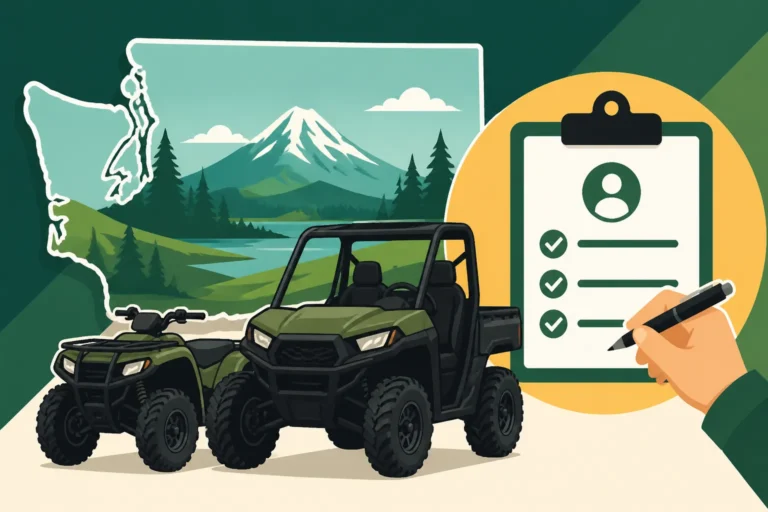
Here in Washington, we have a unique way of categorizing and permitting our off-road vehicles, which we affectionately call WATVs. Unlike some other states that might lump everything under one sticker, Washington recognizes that many riders want the flexibility to enjoy both designated trails and approved public roads. This recognition is why we have a [Washington's Two-Tab System]. It's designed to give riders choices, but it also means there are two distinct parts to manage.
The Off-Road Tab: Your Gateway to Trails
The off-road tab is the fundamental requirement for nearly all WATV riders in Washington. If you plan on taking your quad, dirt bike, or side-by-side onto any state-managed trail systems, DNR lands, or even many private timberlands that permit public access, you absolutely need this tab. It’s the bread and butter of Washington off-road riding, funding the very trails we love to explore. When you first [Registering a WATV in Washington], this is usually the primary tab you'll obtain.
This tab comes with a decal that you display on your machine, typically on the rear fender or a visible part of the chassis. It signifies that you've contributed to the Nonhighway Vehicle Account, which directly supports the maintenance, development, and operation of our vast trail network. Think of it as your membership card to Washington's incredible backcountry. Without it, you could face fines and limit your riding opportunities to private land where you have explicit permission.
The On-Road Tab: Opening Up Pavement Access
The on-road tab, often referred to as the "street legal" tab, is an optional addition for those who want to expand their riding horizons beyond the dirt. It allows your properly equipped WATV to travel on approved public roads, primarily in counties and cities that have opted to open their streets to these machines. This isn't just a simple sticker; getting this tab involves meeting specific equipment requirements, like having turn signals, mirrors, and a horn, and often requires a safety inspection. For many riders, the convenience of being able to connect trails via county roads or even just run to the local store can be incredibly appealing.
Adding the [Adding the $12 On-Road Tab on Top] means your WATV undergoes a transformation from a purely off-road machine to a multi-purpose vehicle. It requires not only the physical additions to your machine but also an understanding of [Washington WATV Road Requirements]. This tab, like its off-road counterpart, helps fund road maintenance and safety initiatives, ensuring that our shared roadways are safe for all users, including WATV enthusiasts. It's truly about expanding your freedom to roam, but with the added responsibility that comes with sharing the road.
Why Washington Uses Two Tabs
The dual-tab system in Washington isn't just about creating extra paperwork; it's a thoughtful approach to managing different types of vehicle use and funding mechanisms. The state recognizes that the impact an off-road vehicle has on a dirt trail is different from its impact on a paved road. By separating these tabs, Washington can allocate funds specifically where they are needed most. The off-road tab money primarily goes to the development and maintenance of our non-highway vehicle recreation areas, ensuring we have diverse and well-maintained trails to ride.
Meanwhile, the revenue generated from the on-road tab contributes to the general road fund, helping to maintain the very streets and county roads that street-legal WATVs utilize. This two-pronged approach allows for dedicated funding streams, rather than diluting resources. It also provides a clear regulatory framework: if you only ride trails, you only need the off-road tab. If you want the added flexibility of road use, you apply for the additional tab, understanding the extra requirements and costs. It's a system designed to be fair and targeted, ensuring that the funds generated by riders are reinvested directly into the infrastructure they use.
The Expiration Cycle: Do They Align?
This is where the rubber meets the road, or rather, where the rubber meets the expiration date. The short answer to whether both tabs expire on the same day is: it depends, but often, yes, they can align, and it's generally much simpler if they do. The key to understanding this lies in how Washington handles vehicle registrations based on an anniversary date system.
The Anniversary Date: The Key to Registration Renewal
In Washington, your WATV registration, including both the off-road tab and any accompanying on-road tab, is tied to an anniversary date. This isn't necessarily the day you bought your machine or even the first of the year. Instead, it's the date your initial registration became active. For example, if you first registered your WATV on May 15th, 2023, then your registration and both tabs (if you got them simultaneously) would expire on May 15th, 2024. This makes it quite straightforward: you renew everything at once, once a year.
The Washington Department of Licensing (DOL) typically sends out renewal notices well in advance of this anniversary date, giving you ample time to get your paperwork in order. This annual renewal covers both tabs, ensuring continuity of your riding privileges. It's a simple system meant to keep things consistent and easy to track for most riders. Remember, timely renewal is important to avoid a [Washington Fines for an Unregistered WATV] or lapsed road-use privileges.
What Happens If You Add a Tab Mid-Year
This is the scenario that often causes the most confusion. Imagine you initially bought your WATV and only registered it with the off-road tab in January. Your off-road tab would then expire every January. A few months later, in June, you decide you want to add the on-road tab because you've discovered some fantastic county roads near your favorite trails. When you go to add the on-road tab in June, you might wonder if it will expire in June of the following year, or if it will align with your existing off-road tab's January expiration.
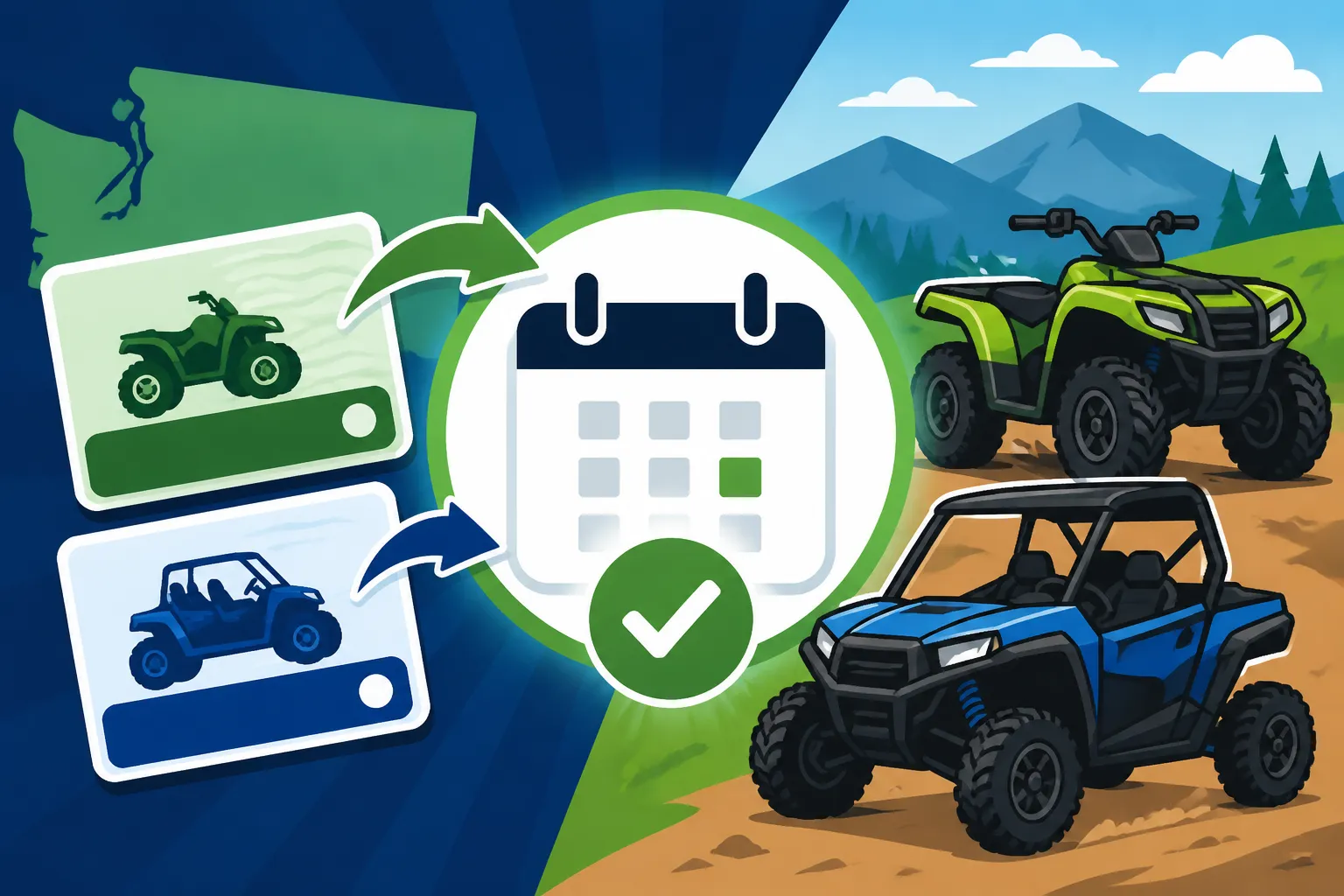
In this situation, the Department of Licensing will pro-rate the cost of your newly added on-road tab so that its expiration date aligns with your existing off-road tab's anniversary date. This means that even if you add the on-road tab in June, it will only be valid until the following January, matching your off-road tab. When your full registration comes up for renewal in January, you will then renew both tabs simultaneously for a full year. This system is designed to simplify renewals, ensuring that once you have both tabs, they will always expire on the same day, making subsequent yearly renewals a single, unified process. This alignment is crucial for understanding [Whether Both Tabs Expire on the Same Day] in the long run.
For example, if your off-road tab expires in March, and you add the on-road tab in September, the on-road tab will be valid from September until the following March. At that March renewal, you'll pay for both tabs for a full year. This prevents you from having to remember two separate expiration dates throughout the year, which let's be honest, is a headache none of us need!
Managing Your Tab Renewals for Smooth Riding
Keeping track of your WATV registration and tab renewals doesn't have to be a chore. With a little organization and understanding of the system, you can ensure your machine is always street legal and trail-ready, avoiding any unnecessary hassles or fines.
Staying on Top of Your Expiration Dates
The most important step is to know your anniversary date. This date, which is printed on your registration card, dictates when both your off-road and on-road tabs (if you have them both) will expire. As mentioned, the DOL is pretty good about sending out renewal notices via mail, usually a few weeks before your expiration. However, sometimes these get lost in the shuffle, especially with busy lives or if you've recently moved and haven't updated your address.
A good habit to get into is marking your calendar or setting a digital reminder for your WATV registration renewal. Perhaps set it for a month before the actual expiration date. This gives you plenty of time to gather any necessary paperwork or funds without feeling rushed. You can also utilize online resources provided by the DOL to check your registration status if you're ever unsure. Having all your documentation organized, perhaps in a waterproof bag that stays with your machine, can also be helpful for quick reference. When you first purchased your machine, ensuring you had a proper [A Washington Bill of Sale for a WATV] might have involved a service like LawDepot, and keeping those initial documents organized makes managing renewals much easier down the line.
Practical Tips for Renewal
Renewing your WATV tabs in Washington is generally a straightforward process. You have a few convenient options:
- Online: Many riders find renewing online the easiest method. You'll need your plate number and possibly a PIN from your renewal notice.
- Mail: You can always mail in your renewal notice with payment. Just be sure to send it with enough time for processing before your expiration date.
- In Person: If you prefer face-to-face service or have specific questions, you can visit a local vehicle licensing office or authorized subagent. They can also assist with other services, like if you're replacing lost decals or need a [Washington WATV Metal Tag Replacement].
When you receive your new decals after renewal, make sure to affix them properly to your machine according to Washington's guidelines. The off-road decal usually goes on the rear fender, and the metal tag, if you have one, gets bolted to the rear. The on-road tab decal will often accompany your main off-road decal. Keep your updated registration card with you whenever you ride. Many riders keep it in a waterproof container stored securely on their machine, ensuring it's always accessible but protected from the elements. Whether you're renewing your [Washington WATV Registration Renewal] or applying for a new [Washington Off-Road Tab Cost], staying organized helps.
Consequences of Expired Tabs
Riding with expired tabs, whether off-road or on-road, can lead to unwanted consequences. On the trails, a park ranger or law enforcement officer can issue a citation for an unregistered machine, which can include fines. You're also essentially using the trail system without contributing to its upkeep, which isn't fair to other riders. On public roads, the consequences can be more severe. An expired on-road tab means your machine is no longer considered street legal, and you could be ticketed for operating an unregistered vehicle on a public roadway, potentially facing higher fines and even impoundment in some cases.
Beyond the legal penalties, riding with expired tabs means you're not fully compliant with the state's requirements, which could potentially impact insurance claims if you were involved in an incident. It's always best to be fully legal and current with your registration. Just like you'd ensure you have a valid driver's license, your WATV tabs are a non-negotiable part of responsible riding in Washington. Staying current ensures you can continue to enjoy all the fantastic riding opportunities our state has to offer, from the dense forests of [Capitol State Forest Near Olympia, Washington] to the open dunes of [Beverly Sand Dunes in Central Washington]. Having your ducks in a row with your documentation, perhaps using forms or checklists you found on resources like LawDepot for other vehicle transactions, ensures peace of mind.
| Tab Type | Purpose | Initial Expiration Basis | Alignment for Renewals |
|---|---|---|---|
| Off-Road Tab | Trail access, funds trail maintenance | Anniversary of first registration | Aligns with On-Road Tab |
| On-Road Tab | Street-legal access on approved roads, meets equipment standards | Pro-rated to align with Off-Road Tab | Aligns with Off-Road Tab |
Disclaimer
This article is for general informational purposes only and does not constitute professional advice. Laws, prices and regulations vary by location and change over time. Consult a qualified professional for guidance on your specific situation.