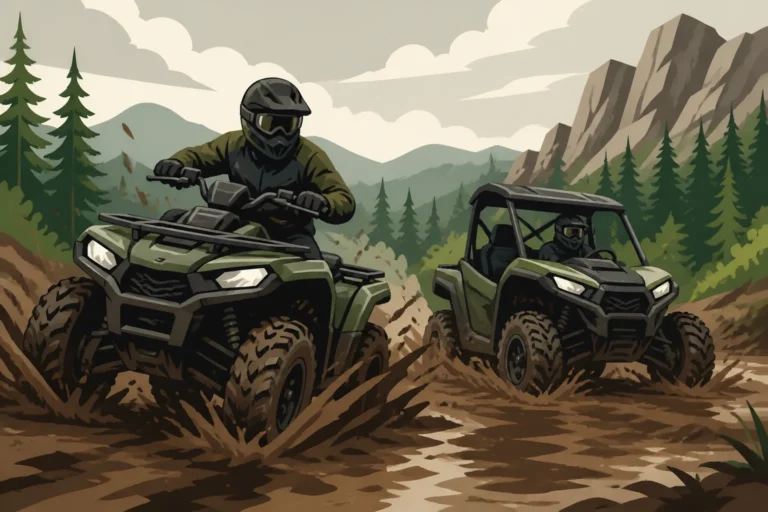
Riding Beverly Dunes on a Weekend
A weekend ride at Beverly Dunes can shift from easy cruising to crowded, churned-up sand in a hurry. If you are hauling an ATV or UTV across central Washington, the biggest frustrations are often practical ones: finding the right access, figuring out what the sand is doing, and avoiding a wasted trip when conditions or closures change. This guide helps you plan a safer, smoother day.
Plan your Beverly Dunes weekend before you leave
Check access, land rules, and closures
Beverly Dunes is a sand-riding destination in central Washington, but a familiar place name is not a substitute for checking the exact access point and land rules. Before you load up, identify the area’s current managing agency, the authorized entrance, and any posted requirements for riding or parking. Rules can differ by property and can change with closures, maintenance, fire restrictions, or other conditions.
Look for official recreation information and posted notices close to your departure. A map app can help you understand where you are and how trails connect, but it should not overrule a closure sign or land-manager direction. If you use onX Offroad to plan a route, treat it as a planning aid: compare the map with official information and follow signs once you arrive. That extra check can spare you from discovering at the staging area that a route is closed or a road is not open to your machine.
Review [Washington Trail Closures to Check First] before making the drive, especially if your weekend plans depend on a particular access road or riding zone. Conditions can also vary across the area, so do not assume that an open entrance means every route is open. If something is unclear, contact the relevant land manager rather than guessing.
Choose a realistic arrival time and meeting plan
Weekend traffic can make a popular riding area feel very different from a quiet weekday visit. Arriving earlier may give your group more time to unload, check equipment, and choose a place to stage before the busiest part of the day. It also gives you breathing room if the route in takes longer than expected or your group needs to reorganize after arriving.
Make a meeting plan before leaving home. Agree on a primary meeting spot, a backup spot, and what everyone should do if phone service is unreliable. Save the location offline, and make sure each driver knows the route. onX Offroad may help you view and save map information for trip planning, but download what you need ahead of time rather than counting on a strong connection in the field.
Be considerate when choosing where to park and unload. Keep access lanes clear, avoid blocking other trailers, and leave enough room for people to maneuver safely. On a busy day, a little patience in the staging area matters: a rider who backs slowly and communicates clearly is much easier for everyone to work around than someone trying to rush through a tight space.
Prepare your ATV or UTV for sand
Match tire pressure and riding style to the conditions
Sand changes how a machine responds. Tires can dig in, steering may feel less precise, and a UTV can lose momentum quickly if the driver turns sharply or stops on a soft incline. A tire setup that feels fine on packed ground may not feel right in loose sand, so check your owner’s manual and tire guidance before adjusting pressure. Do not rely on a one-size-fits-all pressure recommendation: the right choice depends on the machine, tire, load, and riding conditions.
If you do adjust tire pressure, bring a gauge and a way to reinflate before traveling home. Check the bead and tire condition first, and avoid lowering pressure beyond what the manufacturer and tire setup allow. [Airing Down for Washington Sand] explains why riders consider pressure adjustments and why it is important to approach them carefully. [Paddle Tires on Washington Dunes] may also help you understand specialized sand tires, though they are not necessary for every rider or every visit.
On the dunes, build speed gradually and leave room for mistakes. Make broad, predictable turns rather than sudden steering corrections. If your machine starts to bog down, avoid spinning the tires aggressively; digging deeper can turn a small loss of momentum into a recovery job. Keep a safe following distance because another rider may slow or turn unexpectedly, and sand can make it harder to stop quickly.
Pack for a recovery, not just a ride
A small preparation kit can make a frustrating moment manageable. For a recreational day ride, consider bringing water, basic tools, a tire gauge, a compact air compressor or inflator, a first-aid kit, communication devices, and recovery equipment appropriate for your machine and group. Make sure everyone knows where these items are stored. A recovery strap is only useful if the people using it understand how to attach it safely and have suitable recovery points.
For a UTV, inspect the tires, wheels, belts, cooling system, and underbody before the trip. For an ATV, pay attention to tire condition, steering, brakes, and any loose controls or cargo. Sand can work into moving parts, and a machine that was already overdue for maintenance may make the problem obvious at the worst time. Carry only what you can secure firmly; loose gear can shift during a climb or hard turn.
Keep your group’s abilities in mind when choosing where to ride. A confident driver may be comfortable on steep or soft terrain, while a newer rider may be better off starting on easier ground and watching how the machine behaves. Do not pressure anyone to follow a line they are unsure about. A more conservative route often makes for a better day than a difficult recovery that strands the group.
| Before you leave | Why it matters | Practical check |
|---|---|---|
| Confirm access and closures | Roads and riding areas may have restrictions | Check official information and posted notices |
| Save a meeting point | Cell service may be unreliable | Share coordinates or an offline map |
| Inspect the machine | Sand puts extra demands on tires and drivetrain | Check tires, brakes, steering, and maintenance items |
| Pack water and recovery gear | A delay or bog-down can take time to resolve | Carry supplies suited to your group and machine |
| Plan for the return trip | Low tire pressure or a dirty machine can complicate hauling | Bring inflation equipment and secure tie-downs |
Ride considerately in a busy dune area
Give other riders space and communicate
On a weekend, you may encounter people on ATVs, UTVs, motorcycles, and other off-road machines, with different levels of experience. Assume other riders may not see you, especially if they are focused on a climb or navigating loose sand. Keep a generous following distance, avoid cutting across another rider’s line, and pause where you can be seen clearly before crossing a busy route.
When riding in a group, agree on simple signals before setting out. Decide how the lead rider will indicate a stop, how the group will handle a split, and what to do if someone needs help. Keep the group small enough that riders can stay in contact without bunching together. A long, tight line of machines can create dust, reduce visibility, and leave little room for someone to respond to a sudden stop.
If you are new to Beverly Dunes, spend a few minutes observing traffic before choosing a route. Watch how quickly the sand changes and where riders tend to cross or turn. That short pause can help you avoid entering a busy area at the wrong moment. For more general context about the area, see [Beverly Sand Dunes in Central Washington] and [Where the Dunes End and Wilderness Begins]. Stay within authorized riding areas, and never treat open-looking terrain as permission to ride there.
Protect the machine, the site, and your own energy
Sand is tiring to ride, and heat or wind can make a day feel longer than expected. Drink water before you feel thirsty, take breaks, and set a turnaround time that leaves enough daylight and energy for loading. If someone in the group is uncomfortable, slow down or choose an easier route. There is no prize for finishing the day exhausted.
Avoid unnecessary wheelspin and repeated high-speed runs through the same soft section. They can churn the surface, make travel harder for others, and increase the chance of getting stuck. Follow signs and designated routes, keep away from restricted areas, and pack out everything you bring in. Before leaving, check the tires and undercarriage for packed sand or debris, then clean the machine in a way that does not wash contaminants into a sensitive area or waterway.
Wind, recent weather, and the number of riders can change how the dunes feel. A route that was easy earlier may become rough or deeply tracked later in the day. If you use onX Offroad to review your position, keep checking your surroundings too: map awareness is helpful, but it cannot show every fresh rut, stopped machine, or changing patch of sand in front of you.
Make the most of a full day at Beverly Dunes
Adjust your plan when sand conditions change
There is no single sand condition that makes for a perfect ride. Dry, loose sand can be demanding, especially for a newer rider or a heavy machine. After rain, the surface may feel firmer in some places, but conditions can vary across the area and change as it dries. Avoid assuming that a recent shower has made every slope easier or safer. [Riding Sand After a Rain] offers useful context for thinking through how moisture can affect a sand ride.
Start on terrain that lets you learn how your machine handles before tackling steeper or softer sections. If the front end wanders, the tires dig in, or the engine temperature rises, stop in a safe place and reassess. Do not keep pushing just because other riders are moving faster. A UTV carrying passengers or gear may respond differently from a lightly loaded ATV, and drivers should account for the extra weight and stopping distance.
If your group has mixed experience, set a pace that works for the least experienced rider. You can always split into smaller groups if everyone agrees on a clear meeting plan and return time. Keep the route simple enough that nobody has to take a line beyond their comfort level just to stay with the group.
Leave time for loading and the drive home
A good ride can turn stressful if everyone is rushing to load at the end. Give yourself a buffer for cooling down, checking the machines, gathering loose gear, and securing each vehicle. Sand on ramps can be slippery, so load slowly and use a spotter when appropriate. Keep bystanders clear of the loading area, and double-check straps before moving the trailer.
Before driving away, do a quick inventory: keys, helmets, tools, water containers, tie-downs, and any trash. Check that the trailer lights and load are secure. If a tire was aired down, reinflate it according to the appropriate guidance before road travel. A little time spent here is easier than discovering a problem on the highway.
A final walk-around can also help you notice a loose panel, a damaged tire, or sand packed where it should not be. If you have ridden multiple areas during a trip, clean your machine responsibly before moving between places. [Washing a Machine Before You Leave] explains why cleaning can matter beyond appearance, including reducing the chance of transporting unwanted weeds or debris.
For broader ride planning, [Washington Trail Maps From DNR] can help you think about official mapping resources, while [Parking Free at Beverly] is a useful topic to review when checking what to expect at the staging area. Confirm the details that apply to your specific visit before you go, and follow signs on site. A little planning, patient riding, and a flexible route make a busy weekend at Beverly Dunes more enjoyable for your whole group.
Disclaimer
This article is for general informational purposes only and does not constitute professional advice. Laws, prices and regulations vary by location and change over time. Consult a qualified professional for guidance on your specific situation.