Washington Rules for an Electric ORV on Trails
Washington electric ORV trail access depends on registration, reciprocity, trail designation and land-manager rules, not motor type alone.

Washington electric ORV trail access depends on registration, reciprocity, trail designation and land-manager rules, not motor type alone.
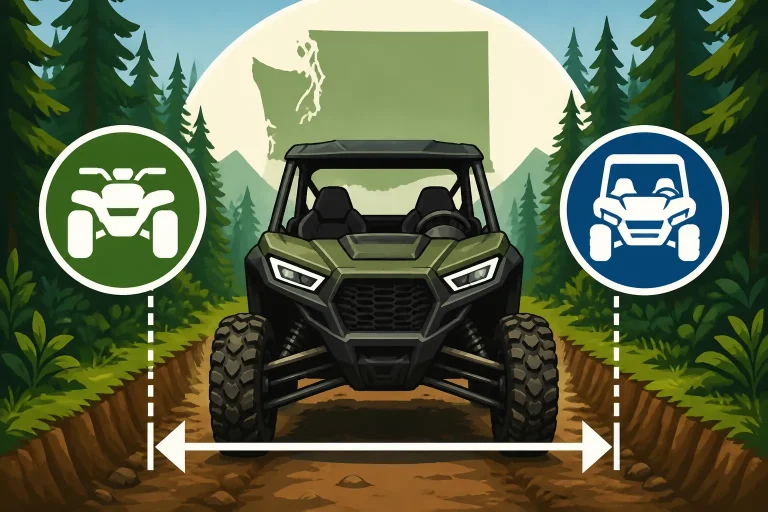
Washington forest trail width limits vary by route. Check the current designation and measure your ATV or UTV before choosing a trail.

Washington ATV and UTV riders should verify an approved, intact spark arrester and check each public-land manager’s rules and fire closures.
Washington ORV sound limits commonly use 96 dBA on public riding areas; learn how testing works, prepare your exhaust, and check local rules.

Washington ATV and UTV riders risk citations on closed trails; penalties vary by land manager, closure notice, riding circumstances, and location.
Washington ATV and UTV riders can avoid a Discover Pass citation by checking land rules, displaying the right pass, and responding promptly if cited.
Washington guided ATV and UTV tours need land-specific permission, compliant machines, eligible riders, and checks for route closures and commercial-use rules.

Washington forest filming rules depend on land manager, commercial use and shoot impact; check permits before bringing crews, vehicles or drones.

Washington ATV and UTV group rides need route checks, individual permits and registrations, and event approval when required by the land manager.

Washington ATV and UTV race organizers need land-manager approval, a route and safety plan, and rider compliance before promoting an event.