Beverly Sand Dunes in Central Washington
Beverly Sand Dunes can look like an easy day of riding until loose sand, changing conditions, and uncertain access turn the trip into a guessing game. This guide explains what to expect at this Central Washington riding area, how to prepare your ATV or UTV, what to check before leaving home, and how to make the day safer and less stressful.
Getting to know Beverly Sand Dunes
Where the riding area is and what it feels like
Beverly Sand Dunes is in Grant County in Central Washington, near the small community of Beverly and the Columbia River. The landscape is very different from the shaded forest trails many Washington riders know: expect open, sandy terrain, sparse vegetation, and broad views rather than a route that winds beneath tall trees. The openness can make the area feel simple to navigate at first, but it also means you may have fewer landmarks to orient yourself by once you move away from the staging area.
Sand changes the way a familiar machine behaves. The surface can shift under the tires, and a line that looked firm from a distance may be soft once you reach it. On a quad, that can mean more steering input and careful throttle control. In a side-by-side, momentum and turning space matter; a machine that feels nimble on a forest road can feel bulky when the sand is loose and the route narrows.
If you’re choosing between dunes and wooded routes, compare the feel of Beverly with other options in [Washington's Sand Dune Riding Areas] and [Where Washington Sand Riding Happens]. Those guides can help you think about the kind of terrain you want before you commit to a long drive with a trailer.
What makes a sand ride different
Sand rewards smooth, deliberate riding. Sudden braking or sharp turns can unsettle a machine, while repeated wheelspin can dig you into a soft patch. That doesn’t mean you need to ride fast. In fact, a steady pace and enough room to read the terrain are more useful than trying to carry speed everywhere.
The surface also changes with weather and use. A section may feel firmer after rain and looser after a dry spell, while traffic can carve ruts or expose soft pockets. Don’t assume that the route you rode on an earlier visit will feel identical on your next trip. Pause when you need to assess a slope or turn, and leave room between machines so dust and flying sand don’t take away the next rider’s view.
For a little more confidence before your first visit, look at [Airing Down for Washington Sand]. Tire pressure is a machine- and tire-specific choice, not a universal number to copy from another rider. Follow your manufacturer’s guidance and make adjustments cautiously; too little pressure can create its own problems, especially if you have to ride back over firmer ground.
Planning a Beverly Dunes trip
Check access, land rules, and current conditions
Before loading up, confirm that the access route and riding area are open and that your planned use is allowed. Public-land access can be affected by closures, seasonal restrictions, maintenance, fire conditions, or other local notices. A route shown on an older map is not a guarantee that it is open today. Check the responsible land manager’s current notices and posted information at the site, and obey signs and barriers even if your navigation app suggests another way through.
Also confirm what passes, permits, registration, and safety requirements apply to your machine and the place you plan to ride. Requirements can differ depending on land manager and vehicle use, so don’t assume that a pass you use at another trailhead automatically covers Beverly. The general guide to [Washington ORV Permits Explained] is a helpful starting point, but verify the applicable details for this specific visit.
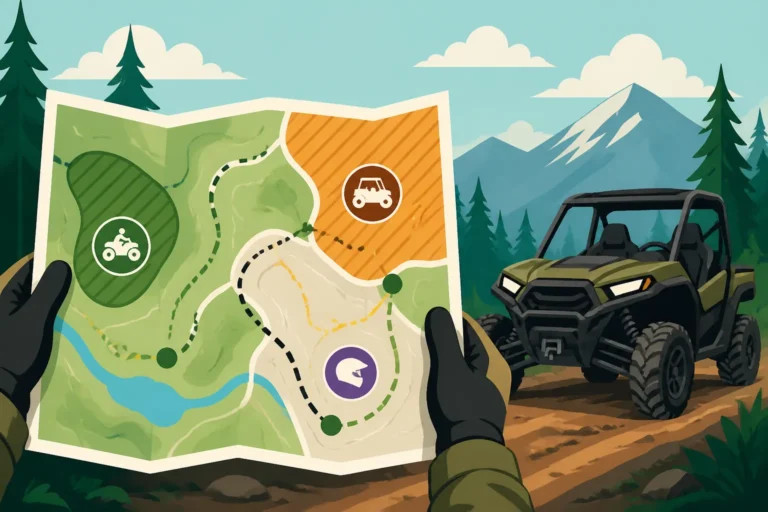
A map can help you plan, but it is not a substitute for current access information. Washington DNR recreation maps are useful for understanding the broader area and nearby roads; pair them with current closure notices and signs on the ground. The guides [Washington Trail Maps From DNR] and [Reading a DNR Recreation Map] can help you build a better pre-ride routine.
Decide whether the day suits your group
Beverly is a better fit for a group that is comfortable with open, changing terrain than for riders who want a shaded, clearly defined forest-trail loop. That doesn’t mean beginners must avoid it. It does mean they should ride within their comfort level, stay with a more experienced companion, and avoid treating the most challenging-looking feature as a required part of the visit.
Think about the least experienced person in your group when planning the day. A confident adult on a full-size quad may have a very different idea of “easy” than a young rider or someone new to sand. Keep the group together, agree on a meeting point, and establish a simple rule for what to do if someone loses sight of the others. In open terrain, it can be surprisingly easy to ride over a rise and lose visual contact.
A quick comparison can help you decide whether to bring a quad, a UTV, or both:
| Planning factor | Quad | Side-by-side |
|---|---|---|
| Space to turn | Often easier to place in a tight area | Needs more room for turns and passing |
| Rider exposure | More direct exposure to sun, wind, and sand | Cab or windshield may provide some shelter, depending on setup |
| Group comfort | Works well for individual riders who are comfortable managing a quad | Can suit passengers, provided the machine and passenger setup are appropriate |
| Sand preparation | Smooth throttle and steering inputs matter | Momentum, tire choice, and room to maneuver matter |
| Before you go | Check registration, required gear, and machine condition | Check belts, restraints, passenger equipment, and machine condition |
If you’re riding a UTV, don’t assume that open dunes mean every vehicle width or route is suitable. Follow posted restrictions and stay on routes where your machine is permitted. For more on local planning, [Washington ORV Areas Near Yakima] offers another Central Washington reference point, though each recreation area has its own terrain and rules.
Preparing your machine and gear
Set up for loose, exposed terrain
Start with the basics: inspect tires for damage, make sure the brakes work properly, and check that steering, throttle, and controls respond as expected. Look over the machine for loose fasteners or parts that could be shaken free, and secure any cargo. Sand and dust can work their way into exposed components, so a clean, well-maintained machine is a better starting point than one that has been sitting neglected between rides.
Bring the tools and supplies you would need to handle a minor problem without turning it into a rescue. That might include the tools suited to your machine, a tire repair kit if appropriate, drinking water, and a way to contact your group or emergency help. Don’t count on mobile reception everywhere. Save the route or relevant map information for offline use before you leave, and tell someone at home where you’re going and when you expect to return.
A navigation app such as onX Offroad can help with route planning and viewing mapped terrain, especially when you prepare before arriving. Download the information you need while you have service, check that you can read the map offline, and treat it as a navigation aid rather than proof that a route is open or authorized. Use posted signs and land-manager information to confirm what you can ride.
Pack for sun, sand, and a long day
The open setting can make weather feel more intense than you expect. Pack water, sun protection, eye protection, and clothing that helps keep sand off your skin. Goggles are especially useful when wind or another machine’s dust makes it hard to see. Bring layers too: a warm start to the day does not guarantee comfortable conditions later, and wind can make an exposed area feel cooler.
Keep important items—such as a phone, keys, and registration paperwork—protected from sand and moisture. A small dry bag or secure compartment can be more useful than tossing everything into an open rack. If your paperwork needs to stay with the machine, consider how you will keep it dry and readable; [Keeping Paperwork Dry in the Rain] has practical ideas that also apply when you want to protect documents from dust.
For families, pack extra water and snacks, and agree on rest breaks before anyone is tired or overheated. A child who is having fun may not notice thirst or fatigue until it becomes a problem. Make sure each rider has properly fitting protective gear, and choose a route and pace that suit the youngest or least experienced person—not the fastest rider in the group.
Riding responsibly on the dunes
Use steady inputs and leave room
The simplest way to reduce avoidable trouble in sand is to stay smooth. Accelerate gradually, avoid abrupt steering changes, and give yourself time to read the surface. If a machine begins to bog down, spinning the tires harder may dig it in further. Stop, take a moment to assess the situation, and ask for help from your group rather than turning a small issue into a recovery problem.
Leave generous space between machines. Sand thrown from the tires can obscure vision, and the rider ahead may slow or change direction without much warning. Don’t follow so closely that you have no time to react. When a group is spread out, agree on a pace and use visible stopping points so nobody feels pressured to chase another machine over unfamiliar terrain.
An app such as onX Offroad can help your group keep track of a planned route or location, but keep your attention on the terrain while riding. Stop in a safe place before checking a phone or adjusting the map. If a rider gets separated, use your agreed meeting point and communication plan rather than having everyone scatter to search in different directions.
Protect the area and respect other visitors
Ride only where access is allowed, and don’t create new routes around signs, barriers, or difficult sections. Going around an obstacle can damage vegetation or take riders onto land where motorized use is prohibited. Stay alert for people on foot, other machines, and changing sightlines, particularly near staging and access areas where riders may be starting, stopping, or loading.
Pack out everything you bring in, including food wrappers and broken gear. Avoid disturbing vegetation or wildlife, and don’t assume that a quiet-looking area is unused or unimportant. Responsible riding helps preserve access and makes the experience better for other visitors who come after you.
Before the trip, review [Washington Trail Closures to Check First]. When you arrive, read posted notices again. Conditions and restrictions can change between the time you plan the trip and the time you reach the trailhead, and a sign at the site should never be ignored because a digital map appears to show a route.
Making the most of a visit
Choose a practical schedule and backup plan
A day at Beverly goes more smoothly when you leave room for delays. Loading, unloading, checking passes, adjusting gear, and orienting the group all take time. If you are driving from farther away, plan for a late start or an unexpected stop rather than assuming you will be riding the moment you arrive. Set a turnaround time that leaves enough daylight to pack up and drive safely.
Have a backup plan in case access is restricted or the weather makes riding unpleasant. That may mean choosing another approved recreation area or postponing the trip. Don’t treat a closure as a challenge to work around; a closed route may be protecting visitors, land, or ongoing work. If you are unfamiliar with alternatives, compare options using [Washington ORV Areas Near Yakima] and [Washington's DNR Forests Compared], then confirm access separately for the area you choose.
If camping is part of the plan, verify where overnight stays are permitted and what facilities are available before you leave. Don’t assume that a riding area has water, restrooms, hookups, or a suitable place to camp just because it has a staging area. The guide to [Camping Near Washington ORV Areas] can help you think through those logistics, but confirm the rules and facilities for your chosen location.
Build a simple pre-ride checklist
A short checklist prevents the kind of last-minute scramble that starts with a missing pass or a dead battery. Before leaving home, confirm access and closure information, check the machine, pack protective gear, prepare offline maps, and tell someone your plan. At the staging area, review signs, make sure everyone knows the meeting point, and do a final check of cargo and safety equipment.
On the ride, keep the group together, take breaks, and speak up early if conditions or fatigue are becoming a problem. At the end of the day, check the machine for damage and clean off sand where appropriate before it has a chance to cause problems later. A little post-ride care is easier than discovering a neglected issue when you are preparing for the next outing.
Beverly’s appeal is its open, sandy character—but that same terrain asks riders to prepare and pay attention. With current access information, suitable equipment, a conservative pace, and respect for other visitors, you can focus less on solving avoidable problems and more on enjoying a Central Washington ride.
Disclaimer
This article is for general informational purposes only and does not constitute professional advice. Laws, prices and regulations vary by location and change over time. Consult a qualified professional for guidance on your specific situation.