Riding Kettle Falls to the Trail
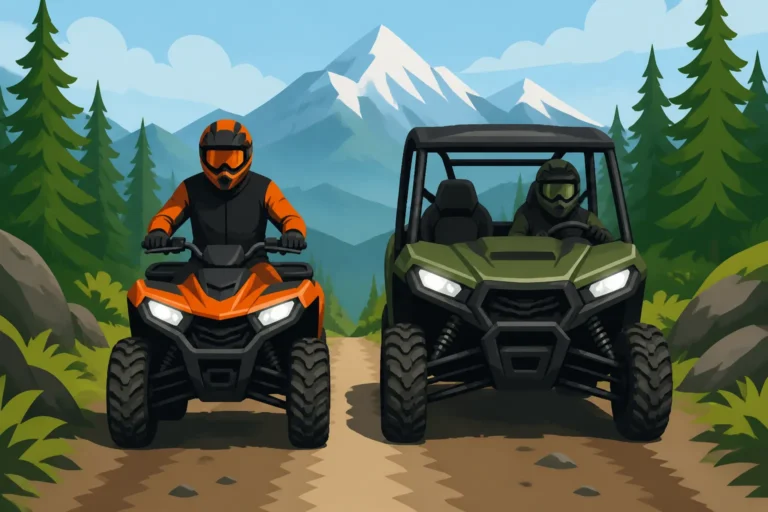
One of the most common frustrations for ATV and UTV riders in Washington is figuring out how to legally get from the comfort of their home or campground directly onto the trails without having to load up on a trailer. If you're in a charming town like Kettle Falls and dream of an easy ride to adventure, you're in luck! This guide is here to walk you through exactly how you can legally ride your Washington street-legal all-terrain vehicle (WATV) from Kettle Falls right to the trailhead.
Understanding Kettle Falls' Street Legal Status for WATVs
It's a common misconception that all cities and towns in Washington state allow off-road vehicles on their streets. Many riders get tangled in confusion, thinking that just because their machine has an on-road tab, it means they can ride anywhere. This isn't the case! Each city and county has the power to decide whether to open its roads to WATV use, and that's why places like Kettle Falls are so special for us riders.
The Local Ordinance that Opens Streets
Thankfully, Kettle Falls is one of the forward-thinking communities that has chosen to embrace WATV riders. They've passed a local ordinance that allows properly equipped and registered WATVs to operate on certain city streets. This is fantastic news because it eliminates the need to trailer your machine just to get to a nearby dirt road or trail system. It truly makes Kettle Falls a hub for easy access to outdoor adventure.
However, it's crucial to understand that "open" doesn't necessarily mean every street is fair game, or that the rules magically change once you're on pavement. You're still expected to follow all traffic laws, just like any other motor vehicle. The spirit of these local ordinances is to provide reasonable access, not to turn main street into a mud bog. Always keep an eye out for specific signage or posted speed limits that might be different for WATVs, even within open areas.
This local decision is a game-changer for people who live in or visit Kettle Falls. Instead of the hassle of loading and unloading, you can simply gear up, fire up your machine, and ride out. It fosters a more direct connection between the community and the incredible natural landscapes surrounding it, allowing for spontaneous rides and easier access for trail maintenance or even just grabbing a quick bite after a long day in the woods. This kind of flexibility is what many riders are looking for when they invest in a WATV. You'll find similar openness in other smaller towns, which makes places like Kettle Falls an ideal base for your riding adventures.
Equipment Requirements for Street-Legal Riding
Just because Kettle Falls allows WATVs on its streets doesn't mean you can roll out of your driveway in a bare-bones trail machine. Washington state law, as well as local ordinances, specifies a host of equipment your WATV needs to be street-legal. Think of it like turning your off-road beast into a mini-car for road use – it needs to meet basic safety and visibility standards.
At a minimum, your machine must have headlights and taillights that are always on, brake lights that activate when you stop, and turn signals to indicate your intentions. A working horn is essential for signaling other drivers or pedestrians, and you'll need at least one mirror (most riders opt for two) to see what's behind you. A windshield or, at the very least, eye protection like goggles is mandatory. Don't forget a spark arrester and a muffler to keep noise levels down and prevent wildfires, which are critical requirements for all off-road vehicles in Washington. You can find a detailed breakdown of these necessities in our guide on [Washington WATV Road Requirements].
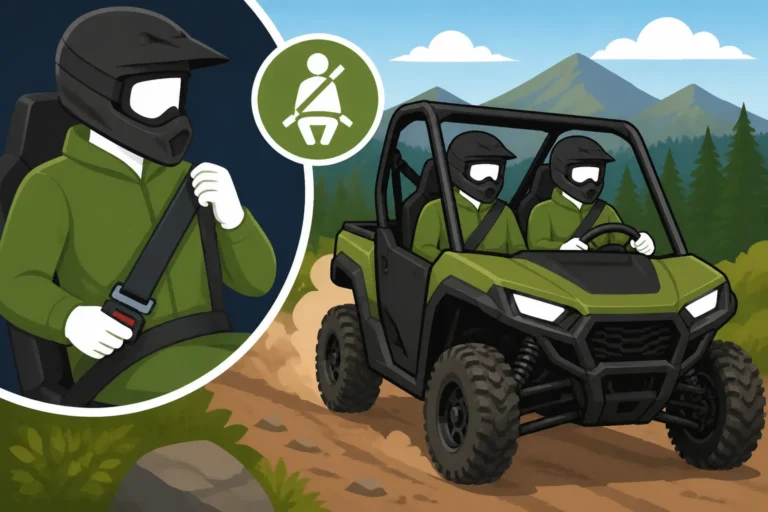
Beyond the machine itself, you, the rider, also have requirements. A DOT-approved helmet is not just a good idea; it's the law for all WATV riders and passengers on public roads in Washington, regardless of age. This is a non-negotiable safety item that protects you in case of an accident. While many of us wear helmets religiously on the trail, it's easy to forget that the rule applies equally, if not more so, on pavement where speeds can be higher and interactions with other traffic more frequent. Ensuring all these components are in place and functioning properly is your first step to a legal and safe ride out of Kettle Falls.
Licensing and Insurance for On-Road Use
Riding a WATV on public roads in Washington, even in an open city like Kettle Falls, brings with it the same responsibilities as driving a car. This means you can't just hop on and go if you don't meet the basic qualifications for operating a motor vehicle. It's about ensuring everyone on the road is competent and covered.
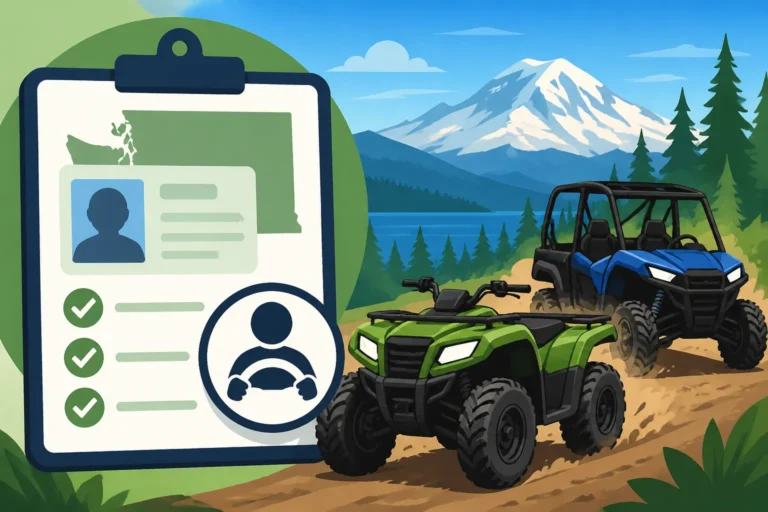
First and foremost, you need a valid driver's license. This isn't an ORV permit; it's a standard driver's license issued by any state or jurisdiction. Washington law is clear on this: if you're operating your WATV on a road open to vehicle traffic, you need to be a licensed driver. This rule applies to everyone, regardless of age, provided they are old enough to obtain a driver's license. Our article on [Washington Driver License Rules for WATVs] delves deeper into these requirements and clarifies any age-related nuances.
Secondly, you absolutely must have liability insurance. Just like your car, your street-legal WATV needs to be insured to cover potential damages or injuries in an accident. Many standard ATV/UTV insurance policies will have an add-on or specific coverage for street legality, so it's wise to double-check with your provider that your policy covers on-road use in Washington. You don't want to find yourself in a situation where you're liable for an accident and your insurance company tells you your off-road-only policy doesn't extend to paved roads. The costs and specific coverages can vary wildly, so it's best to call your agent. We have more information on this critical topic in our guide on [Washington WATV Insurance Requirement].
Navigating Kettle Falls Streets to Reach the Trailhead
Once your WATV is properly equipped, registered with the necessary tabs, and you're licensed and insured, you're ready to roll! But riding through a town, even a small, friendly one like Kettle Falls, requires a slightly different mindset than hitting the trails. It's about sharing the road and understanding the rules that govern this unique privilege.
Identifying Approved Routes and Speed Limits
While Kettle Falls has opened its streets to WATVs, it's important to understand the specifics. Generally, the state law dictates that WATVs can operate on public roads with a speed limit of 35 mph or less. This is a critical point; you usually won't be permitted on faster arterial roads or state highways through town unless a specific exception is made for crossing. Our detailed explanation in [Washington's 35 mph Road Rule] offers more context on how this applies across the state.
To find the exact approved routes within Kettle Falls, your best bet is to check the city's official website or inquire at the city hall. Local governments often publish maps or lists of which streets are designated for WATV use. Sometimes, these routes are specifically chosen to lead riders from residential areas or staging points directly to the nearest forest roads or trail systems. Don't assume all local roads are open; verify the permitted paths before you head out. It's always better to be certain than to risk a citation.
Pay close attention to street signs and posted speed limits. Even if a road is open to WATVs, you must adhere to the posted speed limit, which will almost always be 35 mph or less. Riding at appropriate speeds not only keeps you safe but also helps maintain good relations with local residents. Excessive noise or speed can quickly lead to public complaints, which might jeopardize WATV access in the future. Respecting these rules is paramount to ensuring this privilege remains available for all riders.
Road Etiquette and Safety Considerations
Riding your WATV through town means you're sharing the road with cars, trucks, bicycles, and pedestrians. Your powerful machine, while a blast on the trail, needs to be handled with care and consideration on pavement. Think defensively and predict what other road users might do.
Always ride single file when on public roads. Washington state law prohibits riding two abreast on any road or highway, and this rule definitely applies to WATVs. It’s all about maintaining a safe and predictable presence on the road. Our article on [Washington Rules for Riding Two Abreast] explains why this is so important for safety. Stay to the right side of your lane, giving ample space to parked cars and allowing other vehicles to pass safely when appropriate.
Use your turn signals for every turn and lane change, even if you think no one is around. This clear communication is vital for avoiding accidents. Be especially cautious at intersections, driveways, and crosswalks. Children and pets can dart out unexpectedly, and other drivers might not anticipate an ORV on the road. Remember, your machine is probably louder than a car and has a different profile, so be extra visible and make sure you're seen. When in doubt, slow down and proceed with caution. Being a good ambassador for the WATV community ensures that towns like Kettle Falls continue to welcome riders.
Transitioning from Pavement to Trail
The moment you've been waiting for! As you leave the city limits of Kettle Falls and head toward the wilder parts, you'll eventually transition from paved streets to gravel forest roads or designated trails. This transition is a critical point where you need to adjust your riding style and machine setup.
First, be aware of where the pavement ends and the gravel begins. Sometimes, it's an abrupt change, while other times it's a gradual shift from asphalt to chip seal, then to packed dirt. As soon as you hit the unpaved surface, adjust your speed. Gravel and dirt roads can have loose surfaces, potholes, and unexpected obstacles that aren't present on smooth pavement. Your tires will grip differently, and steering may feel looser. If you aired down your tires for a softer ride on the trail, remember to do so before hitting the truly rugged terrain, and ideally not while still on the paved section.
Once you're on a forest road, you'll still encounter other vehicles, including cars, trucks, and potentially logging equipment. These roads are often shared, so the rules of the road still apply, even if it feels more like a trail. Always expect oncoming traffic, especially around blind corners. Our guide on [Washington Rules for Riding a Forest Road] has more tips for navigating these shared-use paths safely. The key is to be adaptable; your riding strategy for Kettle Falls Main Street is very different from traversing a rocky, uneven forest trail.
Exploring Trails Accessible from Kettle Falls
Kettle Falls is strategically located near some fantastic riding opportunities. Once you've successfully navigated the town's streets, a world of adventure opens up, primarily within the vast expanse of the Colville National Forest and surrounding state lands.
Nearby Trail Systems and Forest Roads
The region around Kettle Falls is a true gem for off-road enthusiasts, with the sprawling Colville National Forest as your primary playground. This area offers hundreds of miles of forest roads, ranging from well-maintained gravel paths suitable for beginners to more challenging, rocky, and rutted tracks that will test experienced riders. You'll find diverse terrain, from dense pine forests to open meadows and stunning views of the surrounding mountains and valleys. Many of these roads eventually lead to single-track trails suitable for smaller dirt bikes, but there are plenty of wider paths perfect for side-by-sides.
Beyond the National Forest, look for designated ORV trails on Washington Department of Natural Resources (DNR) lands. These areas are specifically managed for recreation and often feature a mix of technical trails, hill climbs, and scenic routes. However, always verify which areas are open to WATVs, as some DNR lands may have restrictions or closures for timber operations or environmental protection. It's not uncommon to find areas open for logging during the week that are then available for recreation on weekends, but you need to check. The beauty of riding from Kettle Falls is the sheer volume of accessible terrain that doesn't require a long drive, allowing for more time on the machine and less time in the truck.
Exploring these areas can be an incredible experience, but it requires preparation. Be sure to carry detailed maps, either physical ones from the Forest Service or reliable GPS apps, as cell service can be spotty. Remember, you're not just riding through Kettle Falls; you're entering a wild landscape that demands respect and readiness. Many of these forest roads are also [Washington Rules for Riding a Logging Road], so be extra vigilant, especially during weekdays, for active timber hauling.
Permits and Passes for Off-Road Riding
Successfully riding your WATV from Kettle Falls to the trails involves more than just having the right equipment and registration. You also need to ensure you have the correct passes and permits for the land you plan to ride on. Different land management agencies have different requirements, and showing up unprepared can lead to fines or, worse, being turned away from your intended riding area.
For many state-managed lands, specifically those under the Washington State Department of Natural Resources (DNR) or State Parks, you will need a Discover Pass. This pass grants you access to millions of acres of state recreation lands. If you plan to ride any DNR-managed ORV parks or access points, the Discover Pass is a must-have. Our comprehensive guide, [The Discover Pass and Washington Riders], provides all the details on where and why this pass is required. It's an annual pass, and many riders find it invaluable for exploring Washington's vast public lands.
If your adventure takes you into the Colville National Forest or other federally managed areas, you might need a Northwest Forest Pass. While some federal trailheads are free, others, particularly those with developed facilities, require this pass. It's always best to check with the specific ranger district for the area you plan to visit. Understanding the nuances of these passes is key to avoiding frustration. For instance, a Discover Pass won't get you into a federal site, and a Northwest Forest Pass typically won't cover state lands. Our article on [The Northwest Forest Pass in Washington] offers more clarity on its use. Always check the specific land manager's website or visitor center before heading out to ensure you have the correct authorization for your chosen trails.
Preparing Your Machine and Yourself for Trail Riding
Transitioning from road to trail means preparing both your WATV and yourself for the rigors of off-pavement riding. The conditions you'll encounter will be far more demanding than city streets, so a thorough pre-ride check and appropriate gear are essential for safety and enjoyment.
Start with your machine. If you lowered your tire pressure for road traction or comfort, remember to adjust it back to trail-appropriate levels. Lower pressures offer better grip and a smoother ride over rough terrain but are unsuitable for extended road use. Check your fluid levels – oil, coolant, and brake fluid – and ensure your brakes are in good working order. Inspect your drive belt, especially if you've been working the machine hard. This is also a great time to ensure all your suspension components are in good shape; companies like SuperATV offer heavy-duty A-arms and lift kits that can make a huge difference in durability and ground clearance on rocky Washington trails.
For yourself, always wear appropriate riding gear. While a helmet is mandatory for road use, protective eyewear, sturdy boots, gloves, and durable riding apparel are equally important for the trail. Carry an emergency kit that includes a first-aid kit, a small tool kit for basic repairs, a tire repair kit, a compressor, extra fuel (if you're going deep), water, and snacks. A communication device, like a satellite messenger, is also highly recommended for areas without cell service. Think about recovery gear too; a good winch, perhaps from SuperATV, can be a lifesaver if you get stuck in mud or on a steep incline far from assistance. Being prepared means you can focus on the fun, knowing you're ready for most challenges.
Common Challenges and Troubleshooting
Even the most seasoned riders encounter unexpected issues. When you're riding from Kettle Falls to the trail, you're covering diverse terrain and situations, so being prepared for common challenges is part of the adventure.
What to Do If a Road is Closed or Unsuitable
One of the biggest frustrations can be encountering a closed road or finding a route that's simply impassable. Road closures happen frequently in Washington's forests due to logging operations, wildfires, washouts, snow, or maintenance. What looked open on a map might be gated off when you arrive.
If you encounter a closed road, do not bypass the closure. These restrictions are in place for safety, resource protection, or active work zones, and ignoring them can put you in danger, result in a hefty fine, or damage your machine. The best course of action is to have a backup plan. Always carry a detailed map (both paper and digital) and identify alternative routes before you leave. Sometimes, a short detour can lead you to another open path to your intended destination.
Before you even leave Kettle Falls, check the websites for the Colville National Forest, DNR, and local county road departments for any current alerts or closures. Many agencies update these regularly, especially during fire season or after significant weather events. This proactive approach can save you hours of backtracking and frustration. If you're on a multi-day trip, consider asking locals or park rangers about current conditions, as they often have the most up-to-date information.
Dealing with Unforeseen Mechanical Issues
It's an unfortunate truth that machines can break down, sometimes at the most inconvenient times and places. Whether it's a flat tire, an electrical issue, or a fouled spark plug, being able to perform basic roadside repairs can be the difference between a quick fix and a long walk home.
A common issue on the trail is a flat tire. Always carry a tire repair kit, a small air compressor (12V models that plug into your machine are perfect), and know how to use them. For more complex problems, a basic tool kit with wrenches, screwdrivers, zip ties, and electrical tape can often get you out of a jam. Familiarize yourself with your machine's basics – how to check fuses, replace a spark plug, or troubleshoot a dead battery. Carrying spare parts like extra spark plugs, a drive belt, or even a small amount of extra fuel can be invaluable.
For more serious mechanical failures or situations where you're simply stuck, having a recovery plan is crucial. This might involve riding with a friend who can help tow you out, or carrying recovery gear like a tow strap or a portable winch. A good, reliable winch, such as those offered by SuperATV, is an excellent investment for any serious off-road rider. It can pull you out of mud, over obstacles, or even help recover a friend's machine. Remember, safety first: never attempt a repair you're not confident in, especially if it involves lifting the machine or working with hazardous components. Sometimes, the best solution is to call for help, which is why a satellite messenger is a smart piece of gear.
Respecting the Environment and Other Users
Riding our WATVs is a privilege, not a right, and it comes with the responsibility to protect the environment and show respect to other users of public lands. When you ride from Kettle Falls, you're entering a shared space, and your actions reflect on the entire riding community.
Always stick to designated trails and roads. Going off-trail, known as "creating new trails," damages fragile ecosystems, disrupts wildlife, and erodes the land. This kind of irresponsible riding can lead to trail closures and give the entire sport a bad name. Pay attention to signage indicating seasonal closures, sensitive areas, or wilderness boundaries where motorized travel is prohibited. [Washington Sound Limits on Public Land] are also in place to minimize noise pollution, so ensure your muffler and spark arrester are in good working order.
Share the trail responsibly. You'll likely encounter hikers, mountain bikers, horseback riders, and even other ORV users. Slow down, be courteous, and yield the right-of-way. Generally, motorized vehicles yield to non-motorized users, and all users yield to horseback riders. Announce your presence politely when approaching from behind, and pass slowly and wide. Pack out everything you pack in, including trash and any broken machine parts. Leave no trace, so that these beautiful areas remain open and enjoyable for everyone, for years to come.
Street-Legal WATV Equipment Comparison
To help clarify the differences between a basic trail machine and one ready for the streets of Kettle Falls, here's a quick comparison of key equipment requirements.
| Feature | Basic Trail Machine (Minimum) | Street-Legal WATV (Required in Washington) | Notes |
|---|---|---|---|
| Registration | Off-Road Tab | Off-Road Tab + On-Road Tab | Both tabs are typically displayed. |
| Headlights | Yes (for dusk/dark) | Yes (always on) | Must be on during operation, day or night. |
| Taillights | Yes (for dusk/dark) | Yes (always on) | Must be on during operation, day or night. |
| Brake Lights | Optional | Yes | Must activate when brakes are applied. |
| Turn Signals | Optional | Yes (front & rear) | Required for indicating turns and lane changes. |
| Horn | Optional | Yes | Audible signal device. |
| Mirrors | Optional | Yes (at least one) | Many riders prefer two for better visibility. |
| Windshield/Eye Prot. | Eye protection usually recommended | Yes (windshield or goggles) | Goggles or a full face shield satisfy this if no windshield. |
| Spark Arrester | Yes | Yes | Mandatory for all ORV use to prevent fires. |
| Muffler | Yes (sound limits) | Yes (sound limits) | Must meet Washington state sound standards. |
| Seatbelts (UTV) | Optional (but highly recommended) | Yes (for all occupants) | Required in utility vehicles designed for them. |
| Driver's License | Not required for off-road only | Yes (valid state driver's license) | Standard license, not just an ORV permit. |
| Insurance | Recommended | Yes (liability for road use) | Must cover road operation. |
| Helmet | Highly recommended | Yes (DOT-approved for all riders/passengers) | Mandatory on all public roads in Washington. |
This article is for general informational purposes only and does not constitute professional advice. Laws, prices and regulations vary by location and change over time. Consult a qualified professional for guidance on your specific situation.