Riding the Streets of Republic
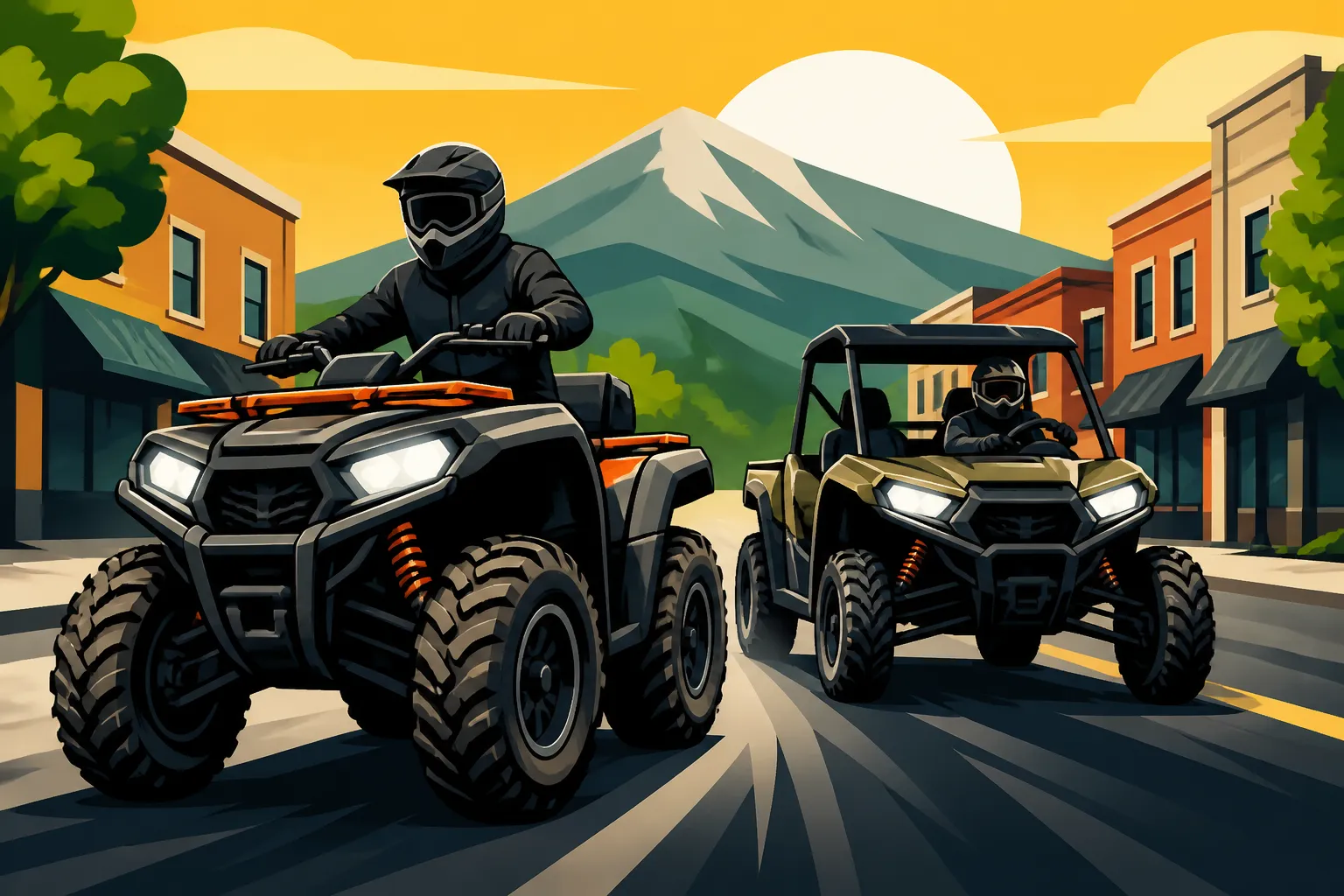
It can feel like navigating a maze trying to figure out where you can and can't legally ride your trusty ATV or side-by-side on public roads in Washington. Many of us dream of just hopping on our machine and cruising into town for a quick errand or to grab a coffee, but the rules aren't always clear, especially in smaller communities. This guide is going to cut through the confusion and specifically address what you need to know about riding your Washington Wheeled All-Terrain Vehicle (WATV) on the streets of Republic, Washington.
Navigating Washington's Statewide WATV Road Use Framework
Before we dive into the specifics of Republic, it's crucial to understand the broader legal landscape in Washington State. The state law regarding WATVs on public roads can be a bit of a head-scratcher, with different rules depending on the county's population and local ordinances.
The General State Law and What It Means for Small Towns
Washington's WATV law outlines two primary scenarios for road access. For counties with a population greater than 15,000, they must pass an ordinance to open their roads to WATVs. This means if you live in a bigger county, silence on the issue typically means no riding on county roads. However, for those of us in counties with a population less than 15,000, the opposite is true: these counties are considered "open by default." This means that unless the county or a specific city within it passes an ordinance to close roads to WATVs, they are generally permissible.
Republic is nestled in Ferry County, which, like many of Washington's more rural areas, has a population well under that 15,000 threshold. This "open by default" provision is a huge starting point for riders, but it doesn't mean a complete free-for-all. Every city, including Republic, still retains the authority to enact its own ordinances that can further define, restrict, or permit WATV use within its corporate limits. It's not uncommon for cities to have specific speed limits (often mirroring the state's 35 mph rule for WATVs), designate certain roads, or set hours of operation. Always remember that the ultimate authority for city streets rests with the city council.
Essential Equipment for Street Legality Across Washington
Regardless of whether you're in a county that's open by default or one that has opted in, your WATV must meet specific equipment requirements to be considered street legal anywhere in Washington. This isn't just a suggestion; it's the law, and law enforcement takes it seriously. Trying to ride on pavement without these essential safety features is a surefire way to get a citation.
Here’s a rundown of what your machine needs:
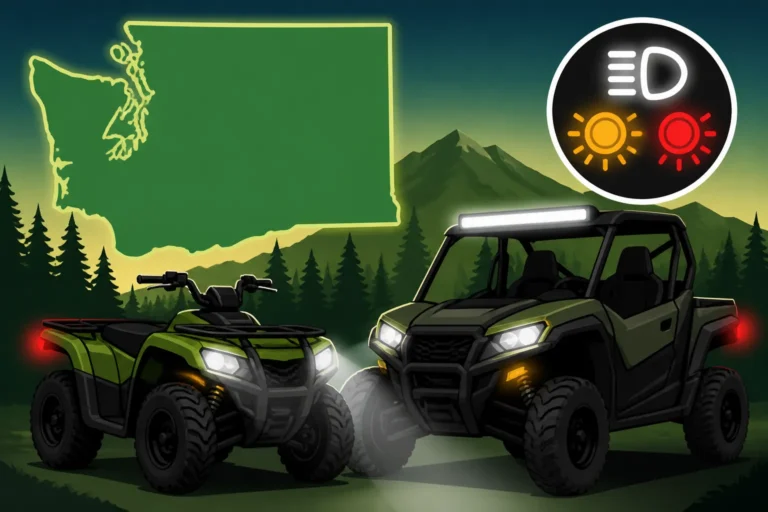
- Headlights and Taillights: These aren't just for trail riding after dark; they're mandatory for visibility on public roads. Your machine needs at least one headlight and one taillight, both operational.
- Brake Lights: Just like a car, your WATV must have functional brake lights that illuminate when you apply the brakes. This is critical for preventing rear-end collisions.
- Turn Signals: Hand signals might be fine on the trail, but for road use, you need proper turn signals (front and rear) on both sides of your machine. Companies like SuperATV offer excellent universal turn signal kits that can be adapted to many different WATV models, making this upgrade straightforward for most riders.
- Mirrors: You need at least one mirror, mounted to provide a clear view of the road behind you. Many riders opt for a left-side mirror, but adding a right-side mirror often enhances safety and visibility, especially in traffic.
- Horn: A working horn is necessary to alert other drivers or pedestrians to your presence. A simple "beep" will do, but it needs to be loud enough to be effective.
- Windshield or Eye Protection: If your WATV doesn't have a windshield, you are required to wear eye protection, such as goggles or a face shield, while riding on public roads. This protects your eyes from debris, insects, and wind, which can be a real hazard at even low speeds.
- Seat Belts (if applicable): If your machine came equipped with seat belts from the factory, you and any passengers must use them. Most side-by-sides fall into this category.
Making sure your machine is up to snuff before you hit any paved road is not just about avoiding fines; it's about your safety and the safety of others. Don't cut corners on these requirements.
Republic's Specifics: Riding WATVs Within City Limits
Now that we understand the statewide context, let's narrow our focus to Republic itself. Being a smaller community, Republic presents a great opportunity for WATV enthusiasts, but local rules always add another layer of consideration.
How Republic, Washington, Manages WATVs on Its Streets
As mentioned, Ferry County's population puts it in the "open by default" category for WATV use on county roads. For the City of Republic, this generally means that WATVs are allowed on city streets unless a specific city ordinance restricts them. Cities often put these ordinances in place to address concerns about noise, traffic flow, or specific areas, such as a busy downtown core or near schools.
For Republic, it's wise to contact Republic City Hall or the local sheriff's office (as the city might contract law enforcement services) to inquire about any specific local ordinances pertaining to WATV use on city streets. They can confirm which roads, if any, are off-limits, or if there are any special hours of operation. It's a quick phone call that can save you a lot of headache. While many small towns embrace the added activity that WATV riders bring, especially for local businesses, they also need to balance that with public safety and resident comfort. You might find that main thoroughfares through town are open, but perhaps certain residential cul-de-sacs are restricted, or there might be an ordinance limiting speed to even lower than the state's 35 mph rule on certain blocks.
Consider checking a city map, and if you have questions about a specific street, don't hesitate to ask local authorities. It's always better to be proactive than to find out you're breaking a rule after the fact.
Navigating Republic's Streets Safely and Legally
Once you've confirmed that Republic's streets are open for WATV use and your machine meets all the equipment requirements, it's time to think about responsible riding. Just because you can ride on the road doesn't mean you should ignore basic driving etiquette or safety.
Here are some practical tips for riding in Republic:
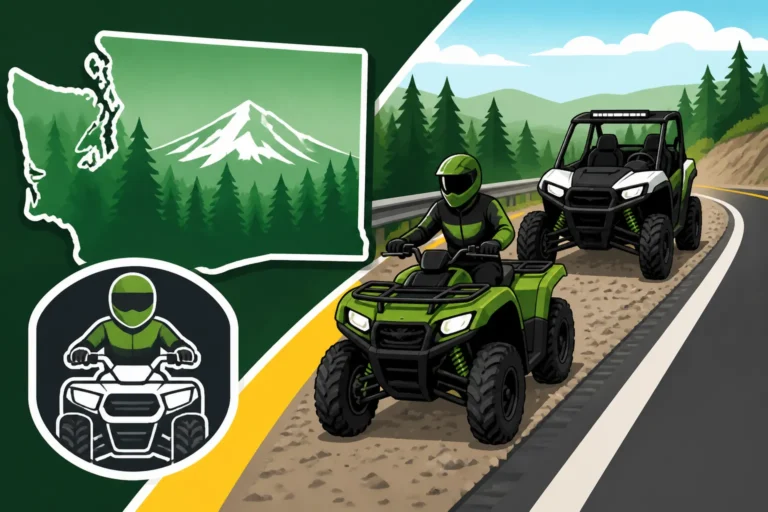
- Stay to the Right: Treat your WATV like any other vehicle on the road. Stay as far to the right as safely possible, especially on two-lane roads, to allow other vehicles to pass with ease.
- Signal Your Intentions: Use your turn signals (and hand signals if necessary to reinforce them) well in advance of turns or lane changes. Predictability is key for road safety.
- Yield Appropriately: Always yield to pedestrians and other vehicles when required by law, such as at stop signs, yield signs, or crosswalks.
- Mind Your Speed: While the state law allows up to 35 mph on roads posted at 35 mph or less, always adjust your speed to conditions. Republic's streets might have parked cars, children playing, or other hazards that require a slower pace. The legal speed limit is the maximum, not the target.
- Be Courteous: A positive impression from WATV riders helps ensure continued access. Be respectful of residents, keep noise levels down, and don't create unnecessary dust.
- Rider Requirements: Beyond the machine itself, the rider has obligations too. You must possess a valid [Washington Driver License Rules for WATVs] to operate a WATV on public roads. Even if you're just cruising through town, helmets are typically required. Washington's law generally states that riders and passengers on WATVs must wear a U.S. DOT-compliant helmet when operating on public roads. This applies to all riders, regardless of age. Make sure you're covered by appropriate [Washington WATV Insurance Requirement] as well.
These aren't just recommendations; they're vital for a safe and enjoyable experience for everyone on Republic's streets.
Preparing Your WATV for Paved Adventures
Getting your WATV ready for city streets involves more than just bolting on a few accessories. It's about ensuring your machine is legally compliant, mechanically sound, and that you have all your ducks in a row.
Ensuring Your Machine Meets State and Local Standards
Beyond the physical equipment, official documentation is absolutely critical. For your WATV to be legal on Republic's roads, it must be properly registered with the Washington State Department of Licensing (DOL). This means having both the standard off-road tab and, crucially, the additional [Adding the $12 On-Road Tab on Top]. This special tab indicates that your machine has met the more stringent requirements for street legality and allows you to ride on approved public roads.
Before any road use, do a thorough pre-ride inspection of your machine. Check your tire pressure, especially if you're transitioning from trail riding where lower pressures might be common. Ensure your brakes are working perfectly, all your lights (headlights, taillights, brake lights, turn signals) are functional, and your horn gives a good honk. This quick check can prevent unexpected issues.
If your machine isn't already equipped for street use, consider high-quality aftermarket parts. Companies like SuperATV specialize in accessories for utility vehicles, offering everything from full windshields to complete turn signal kits designed to integrate seamlessly with various models. Upgrading with durable, reliable parts means less hassle and more confidence on the road.
Important Paperwork to Carry on Every Ride
Just as you wouldn't drive your car without your license and registration, you shouldn't ride your WATV on public roads without the proper paperwork. If you are stopped by law enforcement, they will want to see specific documents.
You must carry:
- Your valid driver's license.
- Your WATV's registration card, which should clearly show both the off-road and on-road tabs. This card confirms your machine is legally registered for road use. [Which Paperwork You Must Carry While Riding].
- Proof of liability insurance. Washington requires insurance for WATVs operating on public roads, mirroring requirements for other motor vehicles.
Keep these documents in a waterproof bag or container securely stashed on your machine. Fumbling for wet papers is never fun, especially if it starts raining. Without these documents, you could face fines or other penalties, even if your machine is technically compliant. It's a small detail that can make a big difference if you encounter a Washington State Patrol trooper or local sheriff.
Here's a quick reference for common considerations when riding your WATV in Republic:
| Feature/Requirement | Washington State Law (General) | Republic City Considerations (Verify Locally) |
|---|---|---|
| County Status | Ferry County (<15,000 pop) is "open by default" | City ordinance can supersede county default; confirm with City Hall |
| Speed Limit | Max 35 mph on roads posted 35 mph or less | City may designate lower limits on certain streets |
| Equipment | Headlights, taillights, brake lights, turn signals, mirrors (1+), horn, windshield/eye protection, seatbelts (if equipped) | All state equipment requirements apply, no local waivers |
| Registration | Required, with both Off-Road and On-Road tabs | Required for all public road use within city limits |
| Driver's License | Valid Washington driver's license required | Valid Washington driver's license required |
| Helmet Use | U.S. DOT-compliant helmet required for all riders/passengers | All state helmet requirements apply |
| Insurance | Liability insurance required for road use | All state insurance requirements apply |
| Road Restrictions | Generally open unless posted closed (e.g., state highways) | City may close specific streets (e.g., main street, residential areas) |
| Hours of Operation | Generally unrestricted by state law | City may impose specific hours (e.g., no night riding) |
Riding the streets of Republic on your WATV can be a fantastic way to enjoy the town and access nearby trails. Just remember, a little homework upfront about local ordinances and a commitment to safe, legal riding will ensure your adventures are nothing but positive. You'll want to review [Riding the Streets of Republic], [Washington WATV Road Requirements], and [Washington Counties That Allow WATVs on Roads] for more insights.
Disclaimer
This article is for general informational purposes only and does not constitute professional advice. Laws, prices and regulations vary by location and change over time. Consult a qualified professional for guidance on your specific situation.