Which Washington Roads Posted 35 mph Are Open
Navigating the myriad rules for riding your wheeled all-terrain vehicle (WATV) on public roads in Washington can feel like a maze, especially when you see a simple 35 mph speed limit sign. It’s easy to assume that any road posted at or below 35 mph is fair game, but the reality is far more nuanced, leaving many riders confused and risking citations. This guide will cut through the uncertainty, explaining exactly which Washington roads posted 35 mph are open to WATVs, and what you need to know before you hit the pavement.
Decoding Washington's Road Access Laws for WATVs
The promise of taking your WATV from the trail directly to a nearby store or a friend's house without loading it onto a trailer is incredibly appealing. Washington State law does indeed provide a framework for this, but it’s crucial to understand the layers of regulation that determine actual road access. The state sets the general parameters, but local jurisdictions — counties and cities — hold the power to decide which specific roads within their boundaries are truly open for WATV use. This layered approach is often the source of much rider frustration, as what might seem intuitively open based on a speed limit sign is frequently not.
The Core Rule: Speed Limits and WATV Eligibility
At its heart, Washington state law dictates that WATVs are generally permitted on public roads that are posted with a speed limit of 35 miles per hour or less. That "posted" part is critical. It's not about how fast traffic actually moves, or what you think the safe speed limit should be; it's about the sign standing on the side of the road. This seemingly straightforward rule, however, comes with significant caveats. The state law provides the eligibility for WATV use, but it doesn't automatically grant permission to ride on every single road that fits this description. Think of it as the first hurdle your machine needs to clear.
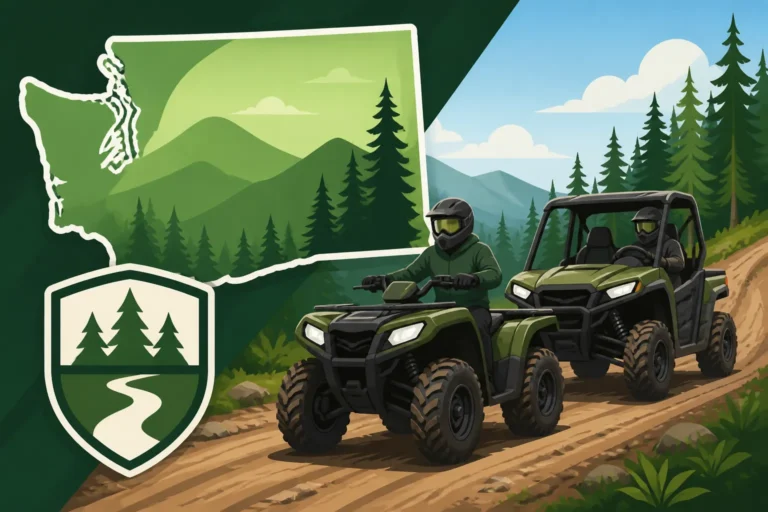
For example, you might be cruising down a gravel road in a rural area, clearly posted at 35 mph, and think you're in the clear. But that road, despite meeting the state's speed limit criteria, might not be explicitly designated as open by the local county or city. This is where many riders get tripped up. The state also differentiates between counties based on population: counties with fewer than 15,000 residents are generally considered "open by default," meaning all their roads posted 35 mph or less are open unless the county specifically lists them as closed. This can be a huge relief for riders in less populated areas, but it still requires diligence. [Washington Counties Under 15,000 Open by Default]
The Crucial Role of Local Ordinances and Designations
Here's where the real complexity, and frankly, the biggest headache for WATV riders, comes into play. Even with the state's 35 mph rule, individual counties and cities have the ultimate authority to either open or prohibit WATV use on roads within their jurisdiction. It feels like a constant scavenger hunt, doesn't it? You can't just rely on the speed limit sign alone; you must consult the specific local ordinances. A road that meets the state speed limit criteria still requires an affirmative "okay" from the local government to be legally ridden by a WATV.
Counties with populations greater than 15,000, for instance, must actively "opt-in" by passing ordinances that designate specific roads or road segments as open for WATV use. If a county hasn't passed such an ordinance, or hasn't specifically listed a road, then even if it's posted 35 mph, it's generally not open to WATVs. [How a Washington County Opts In] Conversely, those smaller, less populated counties, while "open by default," still retain the power to list certain roads as unsuitable or off-limits due to safety concerns, traffic volume, or other factors. So, while you might expect to ride freely in these areas, you still need to check if your chosen route is on their "do not ride" list. [How a Small County Lists Its Unsuitable Roads] This dual system means a road that's legal in one county or city might be strictly prohibited just a few miles down the road in another, making pre-ride research absolutely essential.
Navigating the "Open Roads" List: Where to Find the Information
The biggest frustration for many WATV enthusiasts in Washington is the lack of a single, statewide map or database showing all open roads. Because road access is determined at the local level, finding out which 35 mph roads are truly open requires a bit of detective work for each specific area you plan to ride. This localized approach, while understandable from a governance perspective, creates a significant barrier for riders just trying to enjoy their machines legally.
The Elusive Approved Road List
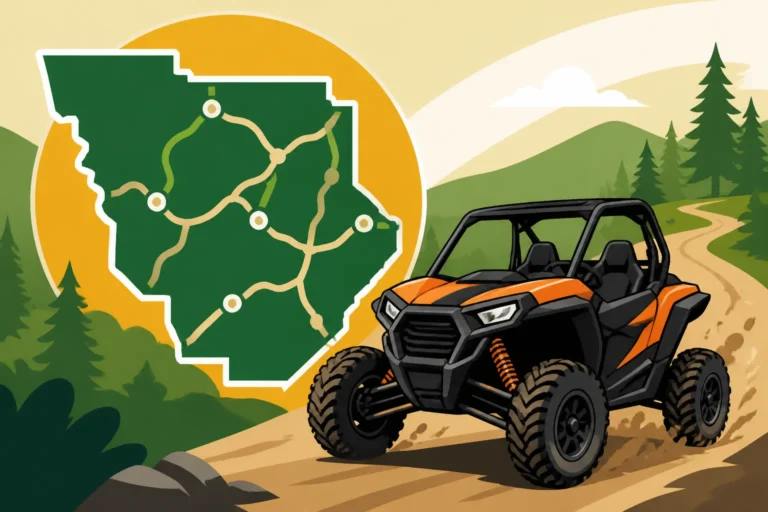
To determine if a particular 35 mph road is open for WATV use, you must consult the official, published list from the relevant county or city. This isn't optional; it's the law. These lists are typically found on the websites of the local county or city government, often under sections like Public Works, Ordinances, or even Sheriff's Department pages. [Finding a County's Approved Road List] It can be a challenge to track them down, as they're not always prominently displayed and might be buried deep within a municipal website's archived documents.
Imagine you're planning a weekend trip to a new area – say, exploring the backroads near Colville or some of the gravel routes in Lewis County. Before you even load your machine, you'd need to visit the Stevens County website or the Lewis County website, specifically looking for their WATV ordinances and designated road maps. Simply seeing a 35 mph sign is not enough to greenlight your ride. Sometimes these lists are detailed, specifying exact road names and segment start/end points. Other times, they might refer to entire classifications of roads. Always prioritize the most current information, as these ordinances can be updated.
Distinguishing Between County and City Jurisdictions
Another layer of complexity arises when a county-designated open road intersects with or passes through an incorporated city. What's allowed on a county road can immediately become illegal once you cross into city limits, even if the speed limit remains 35 mph. Cities have their own independent authority to open or close their streets to WATVs. [Washington Rules for Riding a City Street]
Consider a scenario where you're riding a county road that has been officially opened for WATV use, and it leads directly into a small town like Republic. The county's approval for that road ends abruptly at the city limits. Now, you need to know if the city of Republic has passed its own ordinance allowing WATVs on its streets. If they haven't, or if they've specifically prohibited it, you must either turn around, trailer your machine through town, or risk a citation. This makes planning routes particularly tricky when passing between different jurisdictions. It highlights the importance of not just checking county lists, but also researching every city you intend to pass through or ride within.
Beyond the Speed Limit: Other Factors for Road Legality
Even if you've successfully identified a 35 mph road that's legally designated as open for WATV use by the local jurisdiction, your journey to street legality isn't over. The machine itself must meet certain equipment standards to be considered road-ready in Washington. This is where the conversion from an off-road beast to a street-legal cruiser truly takes shape, and it's a step that cannot be overlooked.
Equipment Requirements for Road-Legal WATVs
Washington State law is very clear about the minimum equipment your WATV must possess to be legally operated on designated public roads. This isn't just about safety; it's about making your machine visible and controllable in a mixed-traffic environment. The list is extensive and covers many components you might not typically find on an off-road-only quad or side-by-side. Your machine needs:
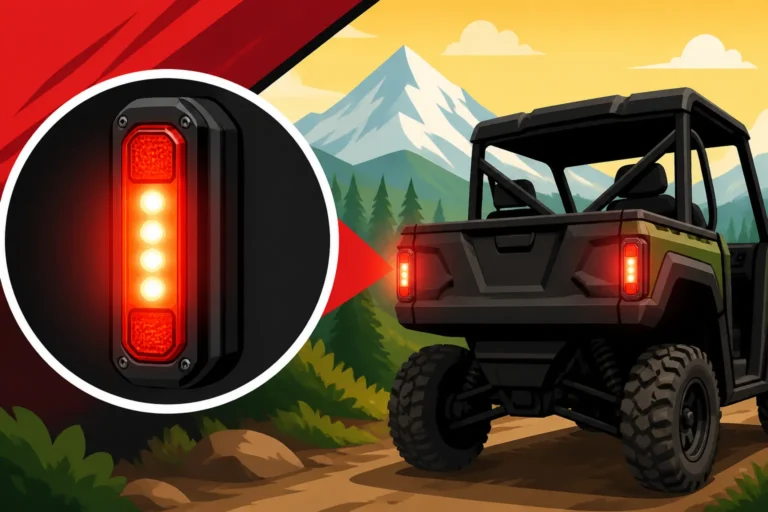
- Headlights and Tail Lights: These must be fully functional for visibility, especially during dawn, dusk, or inclement weather.
- Brake Lights: Essential for signaling your deceleration to vehicles behind you.
- Turn Signals: Both front and rear, to clearly indicate your intentions when turning or changing lanes. Many off-road machines do not come with these, requiring an aftermarket solution.
- Mirrors: At least one rear-view mirror, mounted to provide a clear view of traffic approaching from behind. Many riders opt for a pair for better visibility.
- Horn: A functional horn that can emit sound audible under normal conditions for at least 200 feet.
- Windshield or Eye Protection: If your WATV does not have a windshield, you (and any passengers) must wear eye protection.
- Spark Arrester and Muffler: Your exhaust system must be equipped with a spark arrester that is in good working order and a muffler that keeps noise levels within legal limits. This is generally standard on most machines but worth checking.
Companies like SuperATV are a fantastic resource for riders looking to make their machines street legal. They offer a wide range of conversion kits specifically designed to add turn signals, horns, and mirrors to popular WATV models, helping riders meet these critical requirements without extensive custom fabrication. [Equipment a Washington WATV Needs on a Road] Beyond the machine, remember that adults must wear a helmet when riding a WATV on public roads, and all riders must possess a valid driver's license. [Washington Helmet Law for WATV Riders], [Washington Driver License Rules for WATVs]
"Through" Roads and Highway Crossings
Even if a county or city has opened a 35 mph road, there's another layer of complexity: how that road interacts with state highways. Washington law generally allows WATVs to cross state highways, even those with speed limits up to 60 mph, provided they do so safely and directly. However, riding along a state highway, even if that particular segment is posted 35 mph or less, is typically prohibited unless the Washington State Department of Transportation (WSDOT) has specifically authorized it. This is a very rare occurrence and usually involves unique circumstances.
This means that while a county road might be open and posted at 35 mph, if it parallels or is part of a state highway route, you generally cannot ride your WATV along that state highway segment without explicit WSDOT approval. The distinction between a county or city road and a state highway, even when they share similar characteristics or speed limits, is paramount. [Washington Rules for Crossing a State Highway] Some specific, limited segments of state highways (often those with very low traffic counts or that connect to known trailheads) might be opened, but these are exceptions, not the rule. [Which Washington Highway Segments Allow ORVs] Always assume state highways are off-limits for continuous riding unless you have definitive proof otherwise, even if a nearby sign says 35 mph.
Practical Advice for Washington Road Riders
Successfully navigating Washington's WATV road access laws can be daunting, but with a methodical approach, you can significantly reduce your risk of fines and enjoy your machine responsibly. It's all about being prepared and knowing the rules before your tires ever touch the pavement.
Before You Ride: The Essential Checklist
To ensure a smooth and legal ride on any designated 35 mph road in Washington, make it a habit to run through this essential checklist every time you plan to ride on public roads:
- Verify Local Ordinances and Road Lists: Before leaving home, double-check the current official road list for the specific county and any cities you plan to enter. These lists can change, so a quick check saves potential headaches.
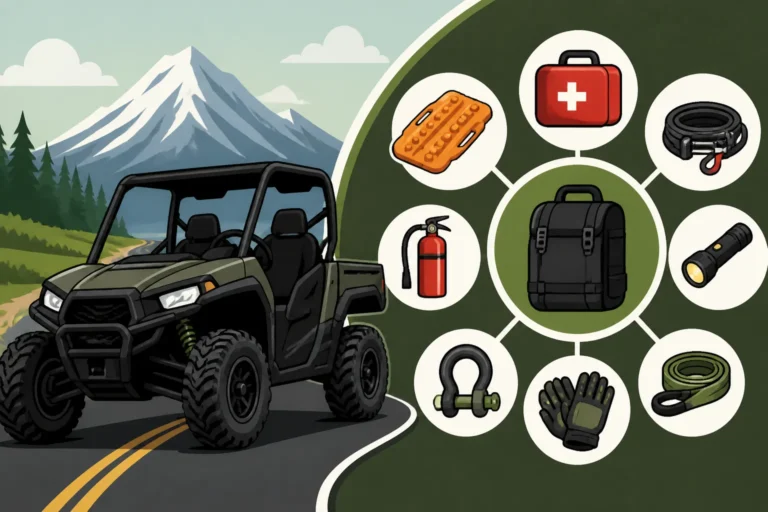
- Ensure Your WATV Has the Necessary Equipment: Inspect your headlights, tail lights, brake lights, turn signals, horn, and mirrors. Confirm your spark arrester is in place and your muffler is quiet enough. If you’re unsure about adding required equipment, accessories from brands like SuperATV can help with easy, compliant installations.
- Check Your Registration and Tabs: Make sure your WATV's registration is current and that you have the Washington "on-road" tab affixed. This tab is your permission slip for paved road use, assuming all other conditions are met. [Washington's On-Road Tab Explained]
- Carry Your Driver's License and Proof of Registration: Always have your valid driver's license and your WATV's registration card with you. Law enforcement will ask for these during any roadside stop. [Carrying the Registration in the Machine]
- Understand Helmet and Age Restrictions: Confirm that all riders, including passengers, are wearing approved helmets, and that any minor riders meet Washington's supervision and age requirements.
Ignoring any part of this checklist can lead to significant fines and penalties, not to mention putting your safety at risk. [Washington Fines for Illegal WATV Road Use]
The Spirit of Responsible Road Riding
Beyond simply adhering to the letter of the law, responsible road riding on your WATV involves being a good ambassador for the sport. The ability to ride WATVs on public roads is a privilege that can be easily lost if riders behave recklessly or disrespectfully.
When you're sharing 35 mph roads with cars, bicycles, and pedestrians, remember that your machine is often perceived differently than a standard vehicle. Maintain appropriate speeds, especially in residential areas, and yield to other traffic. Be mindful of noise levels; while your muffler may be legal, excessive revving or aggressive riding can annoy residents and lead to complaints that impact future road access decisions. Always stay on the designated paved or gravel portion of the road; riding off the shoulder or into ditches, even briefly, can damage private property or fragile ecosystems. [Washington Rules for Riding Off a Designated Trail] Your actions on these opened roads directly influence public perception and whether more roads will be opened, or existing access will be rescinded. By demonstrating courtesy and compliance, you help ensure that WATV enthusiasts can continue to enjoy the expanding network of accessible roads in Washington.
Washington WATV Road Access Requirements Overview
Here's a quick summary of the key elements to consider when planning to ride your WATV on Washington's 35 mph roads:
| Feature | State Law Requirement (35 mph roads) | Local Designation Requirement | Equipment Requirement |
|---|---|---|---|
| Speed Limit | Road must be posted 35 mph or less. | Local jurisdiction (county/city) must designate road as open. | N/A |
| Local Approval | Not automatically open. Counties >15k must opt-in. Counties <15k open by default, but can list closed roads. | Official ordinance and published road list required. | N/A |
| WATV Equipment | N/A | N/A | Headlights, tail lights, brake lights, turn signals, mirrors, horn, windshield/eye protection, spark arrester, muffler. |
| Driver/Rider | N/A | N/A | Valid driver's license, DOT-approved helmet (for adults). |
| Registration | N/A | N/A | Current WATV registration with "on-road" tab. |
| Highway Riding | Generally prohibited along state highways unless WSDOT authorized. Can cross state highways (up to 60 mph). | Check specific WSDOT authorizations for highway segments. | N/A |
Disclaimer
This article is for general informational purposes only and does not constitute professional advice. Laws, prices and regulations vary by location and change over time. Consult a qualified professional for guidance on your specific situation.