Dropping the Road Tab for a Season
It's incredibly frustrating when your riding plans shift with the seasons or life gets busy, and you find yourself paying for a road tab on your Washington WATV that you're just not using. Maybe you've decided to stick purely to trails this year, or perhaps your favorite paved access routes are now closed off to off-road vehicles. Whatever the reason, this guide is here to walk you through the ins and outs of managing your Washington WATV registration, specifically focusing on how you can drop that on-road tab if it's no longer serving your riding style.
Understanding Washington's Two-Tab System for WATVs
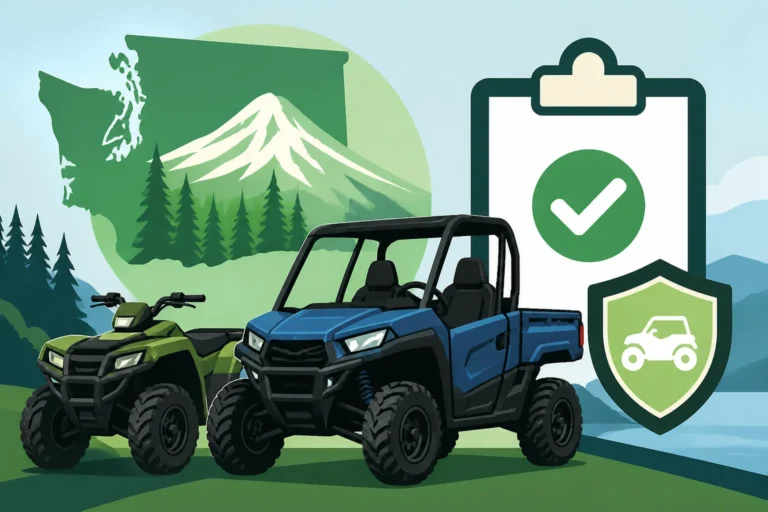
Washington State has a unique way of registering its wheeled all-terrain vehicles (WATVs), which includes everything from your typical ATV to side-by-sides and even dirt bikes designed for off-road use. It's not just a single sticker; there's a two-tab system that dictates where and how you can ride your machine. Understanding this distinction is the first step in deciding whether or not to adjust your registration.
The Purpose of Each Tab: Off-Road vs. On-Road
When you initially register your WATV in Washington, you're usually presented with two options for tabs, reflecting the dual nature of how these machines can be used in our beautiful state. The primary registration is always the off-road tab. This is the foundation of your ability to legally ride on designated trails, in forestlands, and other off-highway vehicle areas. It signifies that your machine is recognized as an off-road vehicle and contributes to the funds that maintain those very trails we all love. This tab is mandatory for almost all off-road riding on public lands. You'll often see this as the main decal on your machine. For a deeper dive, check out [Washington's Off-Road Tab Explained].
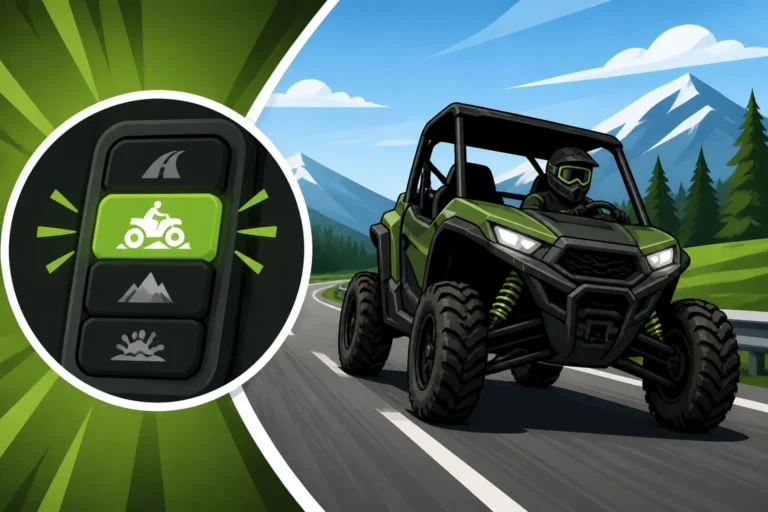
Then there's the on-road tab. This is an additional, optional registration that grants you limited privileges to ride your WATV on certain public roads and highways in Washington. It's not a blanket pass to ride anywhere, but it opens up crucial connections between trails, allows you to access services, and can be incredibly convenient in counties or cities that have "opted in" to allow WATV use on their roads. The requirements for riding on pavement with this tab are pretty specific, covering everything from speed limits to required safety equipment. We've talked extensively about this in [Washington's On-Road Tab Explained] and [Washington WATV Road Requirements]. Think of it as an upgrade that adds another layer of versatility to your machine, but one that comes with its own set of rules and, of course, a recurring cost.
Why You Might Consider Dropping the Road Tab
There are several perfectly valid reasons why a rider might look at their current registration and think, "You know what? I don't need that road tab right now." Life happens, riding habits change, and sometimes, the convenience simply doesn't outweigh the cost.
One common scenario is when your primary riding spots are now exclusively off-road, or you've moved to an area where street access for WATVs isn't permitted or practical. Perhaps you used to connect trails by riding short segments of county roads, but now those segments are either closed or you've found a better way to trailer your machine directly to the trailhead. It feels a bit wasteful to pay for a privilege you're not exercising, doesn't it? Another reason could be a change in your machine's setup. Maybe you've modified your WATV for extreme off-road use, making it less comfortable or even less legal for road use. Specialized tires, lifted suspensions, or even just personal preference can lead you to decide that pavement riding isn't in the cards for a while.
Financially, while the road tab isn't a huge expense on its own, every dollar counts. If you're tightening your budget, dropping an optional fee can make sense. It's a small savings, but over several years, it adds up. For some, it's also a matter of simplicity. Managing fewer registration requirements means less to think about when you're getting ready for a ride. The choice to drop the road tab is often a practical one, reflecting a rider's current needs and the way they actually use their machine.
The Process of Adjusting Your WATV Registration
So, you've weighed the pros and cons, and you're ready to proceed with dropping the road tab. Thankfully, Washington's Department of Licensing (DOL) understands that needs change, and there is a process to adjust your registration. It's not as simple as just "not renewing" one part, but it's certainly manageable.
When You Can Drop the Road Tab
The ideal time to consider dropping your road tab is usually around your annual registration renewal period. This is when your existing registration is up for review, and you're already interacting with the DOL system. When you receive your renewal notice, it will typically list both the off-road tab and the on-road tab as line items. At this point, you have the option to renew only the off-road portion and decline the on-road portion. This is the cleanest and most straightforward way to manage the change. You can think of it as only paying for the core utility you need. [Renewing a Washington ORV Registration Yearly] covers the general renewal process.
However, life isn't always that neat. What if you decide mid-year that you no longer need the road tab? The good news is you don't necessarily have to wait until renewal. You can choose to surrender the on-road tab portion of your registration before its expiration. This might involve a visit to a local licensing agent, as it's not a simple online checkbox if you're doing it outside the regular renewal cycle. While it's possible, be aware that you typically won't receive a refund for the unused portion of the fee if you drop it mid-cycle. The state views the fee as paid for the privilege, whether used or not, for that period.
Steps to Remove the On-Road Tab and Potential Implications
To officially remove the on-road tab from your WATV registration, especially outside of renewal, you'll need to work directly with the Department of Licensing or a local vehicle licensing office. You can't just peel off the sticker and call it good; the change needs to be recorded in the state's system.
Here's a general outline of how it might work:
- Gather Your Documentation: You'll want to bring your current registration certificate, your WATV's title, and your personal identification. Having everything in order makes the process much smoother.
- Visit a Licensing Office: This kind of specific change often requires an in-person visit to a vehicle licensing office. Explain to the clerk that you wish to remove the on-road tab from your WATV's current registration. They will guide you through the necessary paperwork.
- Complete the Paperwork: You'll likely need to fill out a form indicating your request. This isn't usually a complex form, but it ensures the change is properly documented. While there might not be a specific "remove road tab" form per se, the clerks are experienced in processing these types of adjustments to existing registrations. For other general legal forms, sometimes resources like LawDepot can be helpful for understanding common document structures, though for official DOL forms, you'll use their specific documents.
- Surrender Any Physical Tabs/Decals: In some cases, depending on how your state's decals are structured, you might be asked to surrender the physical on-road decal if it's separate, or a new decal might be issued for your off-road registration.
- Receive Updated Registration: Once processed, you'll receive an updated registration certificate showing only the off-road tab. This is your official proof that your machine is no longer registered for street legal use.
A crucial implication of dropping the road tab is, of course, that you can no longer legally ride your WATV on public roads, even those designated as open to WATVs. If you are caught riding on pavement with only an off-road tab, you could face fines for operating an unregistered vehicle on a public road. This is covered in [Riding Pavement With Only the Off-Road Tab]. It's really important to be mindful of this, as law enforcement takes it seriously. Always double-check your intended riding routes and ensure they are compatible with your current registration status. If you plan to ride out-of-state, be aware of [Washington ORV Reciprocity With Other States] as well, because an on-road endorsement in Washington might not translate elsewhere, and vice-versa.
Reinstating the Road Tab Later On
Perhaps your plans change again, or you discover a fantastic new riding area that requires short stretches of road riding to connect trails. It's totally understandable! The good news is that dropping the road tab isn't a permanent, irreversible decision. You can absolutely add it back to your WATV registration when it suits your needs.
The Steps to Add the Road Tab Back
Adding the road tab back is quite similar to adding it for the first time or renewing it. The process is straightforward, but it does require you to ensure your WATV meets all the necessary equipment requirements for road use in Washington.
- Ensure Your WATV is Road-Legal: Before you even head to the licensing office, make sure your machine has all the required safety equipment. This typically includes things like a horn, mirrors, turn signals, proper lighting (headlight, taillight, brake light), and a windshield or eye protection. Some of these might not be standard on all off-road machines, so it's a good time for an inspection. We cover these requirements in detail in [Equipment a Washington WATV Needs on a Road].
- Visit a Licensing Office: Just like removing it, adding the road tab back usually necessitates an in-person visit to a local vehicle licensing office. Let the clerk know you wish to add the on-road tab to your existing WATV registration.
- Complete the Necessary Paperwork and Pay Fees: You'll fill out an application and pay the required fee for the on-road tab. This fee is in addition to your existing off-road tab fee and covers the privilege of road use for the remainder of your registration year or for a full new year if you're doing it at renewal.
- Receive Your New Decals: Once processed, you'll be issued a new on-road decal to affix to your WATV, typically adjacent to your off-road decal, and an updated registration certificate reflecting both tabs.
- Consider a Road Use Declaration: When adding the road tab, especially if you've never had it before or if there's been a change in ownership, you might also need to file a [Washington Road Use Declaration]. This document essentially confirms that your WATV meets the necessary criteria for road use. Generic document templates, like those found on LawDepot, can help you understand the general structure of legal declarations, but for official purposes, always use the state's specific form provided by the DOL.
Costs and Timing Considerations
The cost to add the road tab is a specific fee set by the state. This fee is generally consistent, regardless of whether you're adding it for the first time, renewing it, or reinstating it. It's important to remember that this fee is usually for a full year of privilege, even if you add it mid-registration cycle. This means if your off-road tab renews in June and you add the road tab in January, you'll pay the full road tab fee for essentially five months of use, and then you'll pay it again for the next full year when your main registration renews in June. This is why timing around your [Washington WATV Registration Renewal] is often the most cost-effective approach.
While the two tabs are part of the same overall registration for your machine, they are treated somewhat independently when it comes to fees and renewal cycles in certain scenarios. It's crucial to understand [Whether Both Tabs Expire on the Same Day] or if adding one mid-year creates a staggered renewal. Generally, the state aims for a single renewal date for both, but circumstances can vary. Always confirm with the licensing agent to avoid any surprises.
Important Considerations Before Making a Change
Before you commit to dropping or adding your road tab, it's worth pausing to think about a few broader implications. Making an informed decision now can save you headaches and potential costs down the line.
Reciprocity and Out-of-State Travel
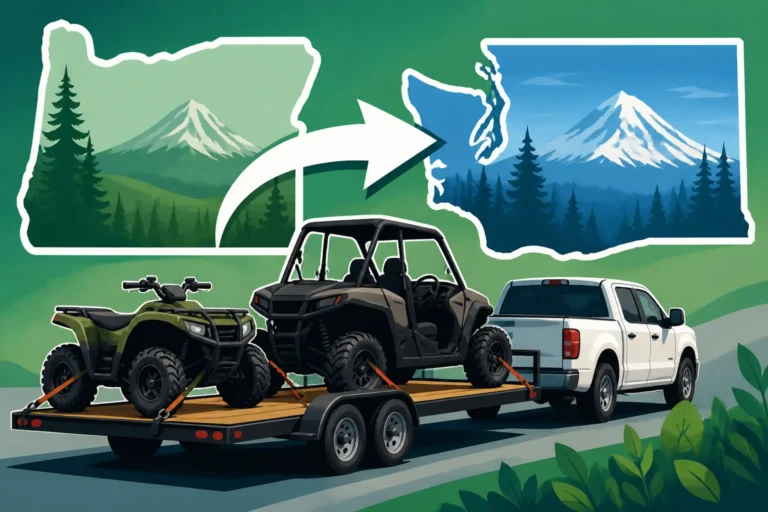
If you ever plan to take your WATV across state lines, especially to neighboring states like Oregon or Idaho, your Washington registration status can become very important. While Washington offers some reciprocity for out-of-state ORV permits, the rules vary significantly when it comes to road use. Just because your machine is street-legal in Washington doesn't automatically mean it's street-legal in another state, and vice versa.
If you drop your Washington road tab, and then travel to a state that allows properly equipped and registered ATVs on their roads, you might find yourself unable to take advantage of that state's road-riding opportunities. Conversely, if you're visiting Washington from a state where your machine is fully road-legal, Washington still has its own set of rules and required endorsements. For some visitors, acquiring a [Washington Temporary ORV Use Permit] might be the best option, but remember, these are typically for off-road use only and won't grant you general road access. Always, always check the specific rules of your destination state regarding WATV road use before you load up the trailer.
Potential Fines for Misuse
This is a big one. The biggest risk of dropping your road tab is inadvertently riding on a public road where it's not permitted. Washington takes the legal operation of vehicles on its roads seriously, and an off-road vehicle operating without the proper road endorsement can lead to significant penalties. A Washington State Trooper or local law enforcement officer can issue a citation for operating an unregistered vehicle on a public roadway. These fines can add up quickly, far outweighing the cost of the road tab you chose to forego. We've previously discussed [Washington Fines for an Unregistered WATV], and it's not a pleasant topic.
It's not just about the explicit street rules, either. Even crossing a state highway or riding the shoulder for a short distance can fall under "road use" in the eyes of the law, depending on the specific circumstances and location. Ignorance of the law is generally not a valid defense. So, if there's even a slight chance you might need to use a public road to connect trails, access fuel, or reach a staging area, keeping that road tab might be a small price to pay for peace of mind and legal compliance.
Documenting Changes and Understanding State Forms
When you're making any changes to your WATV's registration, whether it's dropping a tab, adding one, or even just renewing, keeping clear records is essential. Always retain copies of any forms you submit and the updated registration certificates you receive. This paper trail is your proof of compliance if there's ever a question about your machine's legal status.
While the Washington Department of Licensing provides all the official forms you need, sometimes understanding the language or intent behind legal documents can be tricky. Resources like LawDepot can be beneficial for understanding the general structure and purpose of various legal documents, from bills of sale to declarations. While you wouldn't use a generic template for your official state registration, familiarizing yourself with how such documents are typically structured can make you a more confident participant in the process. Just remember, for anything government-mandated, always use the specific forms provided by the state of Washington's DOL.
Disclaimer
This article is for general informational purposes only and does not constitute professional advice. Laws, prices and regulations vary by location and change over time. Consult a qualified professional for guidance on your specific situation.