Why a Temporary Permit Stays With One Machine
It's completely understandable to wonder if you can just lend or sell your off-road vehicle with a temporary permit already attached to it, or perhaps use one permit for multiple machines. Many riders in Washington, especially those new to the scene or visiting from out of state, might assume that a permit is just a general pass to hit the trails. However, Washington's temporary off-road vehicle (ORV) use permit is designed to be machine-specific, creating a direct link between the permit and one particular quad, dirt bike, or side-by-side. This guide will walk you through why these permits are tied so closely to a single machine and what that means for you as a rider or seller in the Evergreen State.
The Specific Nature of Washington's Temporary ORV Use Permit
When you obtain a temporary ORV use permit in Washington, you're not getting a generic "hall pass" for any machine you might want to ride. The state's Department of Licensing (DOL) has a very specific system in place to ensure accountability and track every off-road vehicle using public lands. This permit is a vital part of that system, offering a short-term solution for certain situations but with clear limitations.
What a Temporary Permit Is and Isn't
Think of Washington's temporary ORV use permit as a limited-time, highly individualized pass. Its primary purpose is to allow a specific, identified off-road vehicle to legally access designated ORV trails and areas for a short period without needing a full annual registration. This is particularly helpful for visitors from states without reciprocal agreements, or for new owners who are waiting for their permanent registration paperwork to process. It allows you to get out and ride while the more permanent solution is being finalized.
What it absolutely isn't, however, is a transferable token. It's not like a reusable park pass you can hand off to a friend for their machine, or something you can easily switch between your own different ORVs. The state needs to know exactly which machine is operating under the permit, for both safety and enforcement reasons. This distinction is crucial and often where riders new to Washington's system can get tripped up.
The Direct Link to Your Machine's VIN
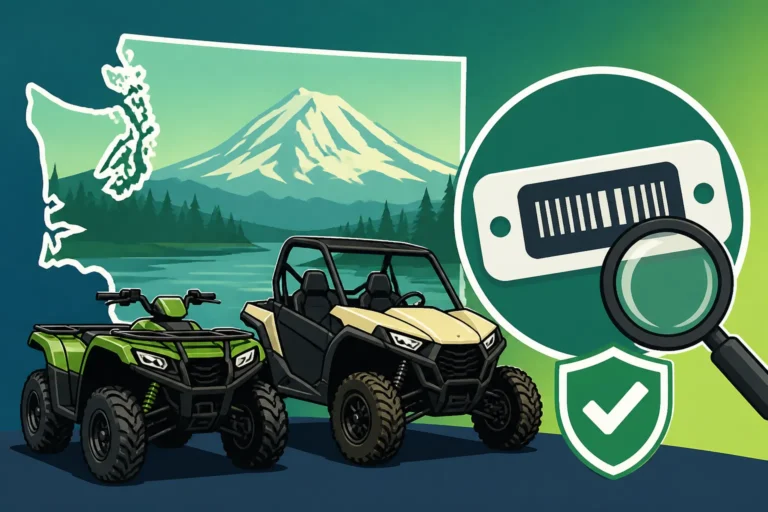
The core reason a temporary permit stays with one machine boils down to its unique identifier: the Vehicle Identification Number (VIN). Just like your car, every ORV has a distinct VIN that serves as its fingerprint. When you apply for a temporary ORV use permit, you must provide this VIN. The permit issued is then explicitly tied to that VIN in the state's records.
This process ensures that if a ranger or law enforcement officer checks your permit on the trail, they can instantly verify that the permit belongs to the specific machine you are operating. Without this direct link, it would be far too easy for people to circumvent registration requirements, potentially leading to unregistered machines, unpaid fees, and a general lack of oversight on the trails. This VIN-specific requirement is the bedrock of why the permit is non-transferable. You can learn more about [Washington WATV VIN Requirements] when buying or selling.
Why the Department of Licensing Designs It This Way
The Department of Licensing (DOL) isn't just trying to make things complicated; there's a practical and systematic reason behind the non-transferable nature of the temporary permit. The state has a vested interest in managing and maintaining its extensive network of ORV trails and areas. The fees collected from registrations and permits contribute directly to these efforts.
By linking each permit to a specific VIN, the DOL ensures:
- Accountability: If a machine is involved in an incident or needs to be identified for any reason, the state can trace it through its VIN and associated permits. This helps maintain safety and order on public lands.
- Revenue Collection: Each permit and registration fee directly supports the [Where Washington ORV Fees Go], helping to fund trail maintenance, signage, and enforcement. Preventing the casual sharing or transfer of permits ensures that proper fees are collected for each machine utilizing state resources.
- Enforcement: It simplifies the job of rangers and law enforcement. They can quickly determine if a machine is legally on the trails, reducing the chances of illegal use and ensuring everyone is playing by the rules. It also helps prevent the use of stolen machines, as a permit won't be issued without a valid VIN.
Essentially, the system is designed for clarity, control, and funding, all of which contribute to a better, safer riding experience for everyone in Washington.
Practical Implications of a Non-Transferable Permit
Understanding that a temporary permit is tied to one machine isn't just bureaucratic jargon; it has real-world consequences for how you use, lend, or sell your ORV. Ignoring this fundamental rule can lead to frustration, unexpected costs, or even legal trouble.
Lending or Selling a Machine with a Temporary Permit
Let's say you have a temporary permit on your quad, and a buddy wants to borrow it for the weekend. Or perhaps you've decided to sell the machine after only a few weeks of owning it. In either scenario, the temporary permit does not go with the machine to the new rider or owner in the same way a permanent registration might.
If you lend your machine, your friend cannot simply use the temporary permit that was issued to you and your VIN. That permit is registered to you and your machine's VIN. While your friend is riding your machine, theoretically, the permit is still valid for that specific vehicle. However, the intent of a temporary permit is for your short-term use. If your friend encounters a ranger, they'd be expected to explain why they are operating a machine under a permit issued to someone else. This can quickly become a gray area and might raise questions, especially if they don't have clear documentation from you. It's always safest for the machine to be fully registered in the name of the primary user, or for a temporary permit to be obtained by the person who primarily intends to use it.
When selling a machine, the temporary permit is irrelevant to the new owner's registration process. They will need to register the machine in their own name, and if they need to ride it immediately, they'll have to obtain their own temporary permit while waiting for the full registration. The permit doesn't transfer because the ownership changes, and the new owner must establish their own legal right to operate the machine. A critical step in selling a machine is always to provide a clear [A Washington Bill of Sale for a WATV], which tools like those offered by LawDepot can help you create, ensuring a smooth transfer of ownership.
What Happens If You Buy a Machine with a Temp Permit
Imagine you find a great deal on a used ATV, and the seller mentions they just put a temporary permit on it last week. You might think, "Great! I can just keep riding on that." Unfortunately, that's not how it works. When you purchase that machine, the temporary permit that the previous owner obtained becomes effectively useless to you.
As the new owner, you are now responsible for properly titling and registering the machine in your name. You'll need to go through the process of getting the title transferred to you, and then apply for your own Washington ORV tabs. If you want to ride it right away, you will need to purchase a new temporary ORV use permit, issued specifically to you and that machine's VIN under your new ownership. This emphasizes the importance of understanding [Why a Title Must Be in Your Name First] before you can even think about permanent registration.
This means you should always factor in the cost and time for new registration (and potentially a new temporary permit) when [Buying a Used ATV in Washington]. Don't assume the existing permit carries over; it absolutely does not.
Consequences of Misusing a Temporary Permit
Trying to skirt the rules by sharing a temporary permit or using one that isn't valid for your specific situation can lead to uncomfortable and costly consequences. Washington law is clear on the requirements for ORV registration and permits.
If you are caught riding a machine with a temporary permit that is not properly linked to that machine's VIN, or if you're trying to use a permit that expired or belongs to a previous owner, you could face fines for operating an unregistered ORV. These [Washington Fines for an Unregistered WATV] can quickly add up, easily exceeding the cost of obtaining a proper temporary permit or full registration. Enforcement officers are trained to check permits and VINs, and they will quickly spot discrepancies. It's simply not worth the risk. Always ensure that the machine you are riding has a valid, current permit or registration that correctly matches its VIN.
When a Temporary Permit Makes Sense (and Alternatives)
While a temporary permit isn't a silver bullet for all your ORV needs, it absolutely serves a valuable purpose in specific situations. Knowing when it's the right tool for the job, and when you should opt for a more permanent solution, is key to being a responsible and hassle-free rider in Washington.
Ideal Scenarios for Using a Temporary Permit
The temporary ORV use permit shines in a few distinct situations, acting as a bridge to legal trail access:
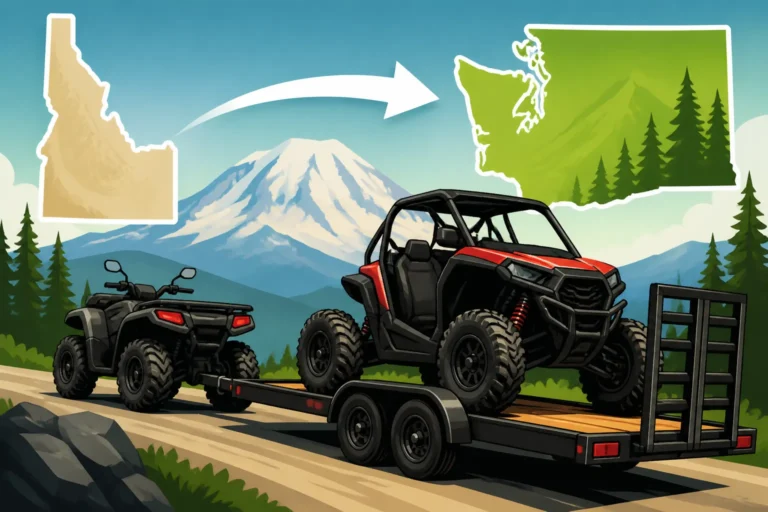
- Visiting Riders: If you're a non-resident coming to Washington to enjoy the trails and your home state's ORV registration isn't reciprocal with Washington's, a temporary permit is your go-to. It allows you to legally ride for a limited time without having to navigate the complexities of full Washington registration. This is covered in more detail in [Washington Temporary Permit for Nonresidents].
- New Purchases Awaiting Title/Registration: You've just bought a new (or new-to-you) machine, and you're eager to hit the trails. However, the process of getting the title transferred and your permanent Washington ORV tabs can take a few weeks. A temporary permit allows you to ride while that paperwork is processing, ensuring you don't miss out on prime riding weather.
- Test Rides or Short-Term Use: Occasionally, you might need to use a machine for a very brief period, perhaps for a specific event or to test it out before committing to full ownership. A temporary permit can be a pragmatic solution for such short-duration needs.
- Specific Circumstances: There might be other unique scenarios where a temporary permit is the most practical solution for short-term, legal access. The key phrase here is "short-term" – remember that [How Long a Washington Temporary Permit Lasts] is generally 60 days.
For these situations, the temporary permit is incredibly useful, providing a simple, relatively inexpensive way to stay legal. You can find out more about [Washington's $15.75 Temporary ORV Permit] and its associated benefits.
The Importance of Full Registration
While temporary permits are convenient, they are, by definition, temporary. For any long-term ownership or regular use of an ORV in Washington, a full annual registration with both the appropriate off-road and potentially on-road tabs is the superior and necessary choice.
Full registration offers peace of mind and full legality year after year. It means your machine is fully integrated into the state's system, and you don't have to worry about renewal deadlines or the limited duration of a temporary pass. If you're planning on riding regularly, investing in the annual tabs is not only more cost-effective in the long run but also ensures consistent compliance. Plus, depending on your machine, you might even consider adding the $12 [Adding the $12 On-Road Tab on Top] for limited street legal use, which a temporary permit won't cover as [Why a Temporary Permit Keeps You Off Pavement]. The cost of full registration, including both tabs if desired, is generally more predictable over time than continually buying temporary permits. For details on the overall costs, you can look into [Washington WATV Registration Cost].
Alternatives for Borrowing or Selling
Since temporary permits aren't designed for transferability or extended sharing, what are your options if you want to lend out your machine or sell it?
- Lending Your Machine: If you're lending your fully registered and tabbed ORV to a trusted friend or family member, they can typically ride it under your existing registration, provided they meet all other legal requirements (like helmet laws, age restrictions, and having a valid driver's license if riding on designated roads). However, if they are involved in an incident, it's your machine and your registration, so be mindful of that. For situations where a person might borrow your machine and wants to be super careful, they could obtain their own temporary permit for your machine's VIN, if they plan to use it for an extended period. This can sometimes be a bit clunky, and it's generally simpler for the primary owner to have full registration.
- Selling Your Machine: When selling, the temporary permit you obtained becomes null for the new owner. The most crucial step is to properly document the sale with a [Washington Bill of Sale Requirements] and ensure the title is transferred. Many online services, including LawDepot, offer templates and guidance for creating a legally sound bill of sale. This protects both you, the seller, and the new buyer by clearly documenting the transaction and the transfer of ownership. The new owner then takes that bill of sale and the properly signed-over title to the Department of Licensing to begin their own [Titling a WATV in Washington] and registration process.
Understanding the Broader Registration System
The specifics of temporary permits make a lot more sense when viewed through the lens of Washington's entire ORV registration framework. Every component, from the VIN to the different types of tabs, plays a role in keeping riders safe and trails open.
The Role of the VIN in All Registrations
The Vehicle Identification Number (VIN) is not just important for temporary permits; it's the central pillar of all ORV registrations in Washington. Whether you're getting an off-road tab, an on-road tab, or a temporary permit, the VIN is the immutable link that identifies your specific machine. This system is designed to prevent fraud, track ownership, and ensure that every machine on Washington's public lands is accounted for.
When you go to [Where to Register a WATV in Washington], whether it's an online portal or a physical subagent office, the first piece of information they'll ask for, after your personal details, will be the machine's VIN. This ensures that the registration or permit is accurately recorded against the correct vehicle in the state's database. It’s also why, if you ever replace your metal tag, even the small [The $2 Tag Replacement in Washington] fee is tied back to that specific VIN.
Paperwork and Accountability
Washington's system is built on paperwork and accountability. Every step in the registration process, from filling out the initial forms to receiving your physical tabs and decals, creates a paper (or digital) trail that links you and your machine to the state's regulations.
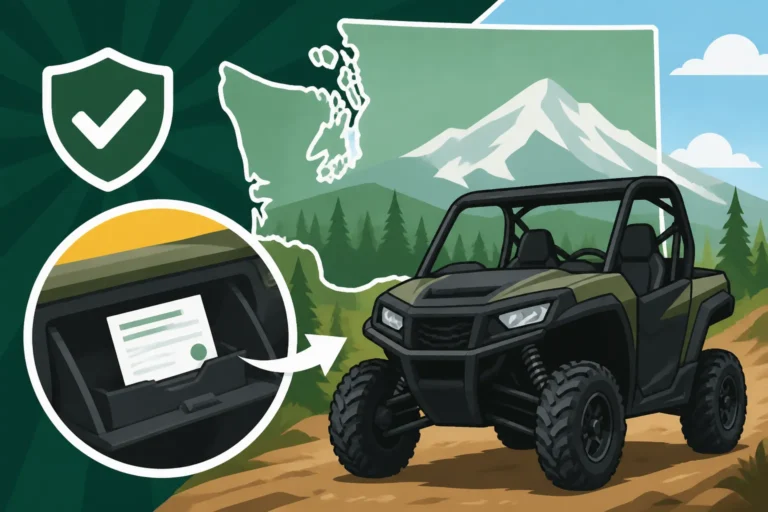
The temporary permit is no different. While it's a simpler, shorter-term document, it's still a formal record. When you obtain one, you are agreeing to abide by the state's ORV rules and acknowledging that this specific machine (by VIN) is operating under this permit. This level of detail and documentation is critical for maintaining public lands, ensuring fair use, and providing a framework for enforcement. So, while it might seem like a small piece of paper, that temporary permit is a big deal in the eyes of Washington's Department of Licensing. Make sure you know [Which Paperwork You Must Carry While Riding] whenever you're out on the trails.
| Feature | Washington Temporary ORV Permit | Washington Annual Off-Road Tab |
|---|---|---|
| Duration | Up to 60 days | 1 year |
| Cost (approx.) | Relatively low, fixed fee | Annual fee (may include multiple tabs) |
| Transferable? | No (tied to VIN & applicant) | No (tied to VIN & registered owner) |
| Purpose | Short-term access for visitors/new owners | Long-term, consistent access for owners |
| VIN Required? | Yes | Yes |
| Proof of Ownership? | No (requires title/bill of sale for owner) | Yes (requires valid title) |
| Road Legal? | No | No (unless on-road tab added) |
| Non-Resident Use? | Yes | No (requires home state registration) |
Disclaimer
This article is for general informational purposes only and does not constitute professional advice. Laws, prices and regulations vary by location and change over time. Consult a qualified professional for guidance on your specific situation.