Which Shops Can Sign Off on a WATV Inspection
One of the biggest head-scratchers for folks looking to get their Wheeled All-Terrain Vehicle (WATV) street legal in Washington is figuring out exactly where to take it for that all-important safety inspection. It's not like getting your car inspected for emissions; this process feels a bit more niche, and the rules around who can actually sign off on it can feel a little fuzzy. You don't want to show up at just any old mechanic, only to be told they can't do it, wasting your precious time and effort. This guide is going to clear up that confusion, showing you precisely which types of shops are authorized to perform a Washington WATV safety inspection and what you need to know before you roll in.
The Washington WATV Inspection Requirement: Why It Matters
Getting a WATV inspected isn't just a bureaucratic hoop to jump through; it's a critical step to ensure your machine is genuinely safe for road use, protecting not only you but also everyone else on the pavement. Washington has specific criteria for what constitutes a street-legal WATV, and the inspection is designed to verify that your machine meets those standards. Without a proper inspection and the subsequent approval, you simply won't be able to get those coveted on-road tabs, leaving you limited to off-road adventures.
More Than Just a Checkbox: What the Inspection Verifies
Think of the WATV safety inspection as a thorough physical for your machine, but with a keen eye toward what makes it suitable for sharing public roads with cars and trucks. The inspector isn't just ticking boxes; they're looking at the functionality of critical safety components. This includes your braking system, ensuring it's responsive and adequate for stopping your machine quickly and safely. They'll also scrutinize your lighting—headlights, tail lights, brake lights, and turn signals—to make sure you're visible and can signal your intentions clearly to other drivers, even after dark. A working horn is essential for warning others, and mirrors are crucial for seeing what's behind you.
Beyond these obvious items, the inspection often covers things like tire condition, the presence of a spark arrester to prevent wildfires (especially critical here in Washington's forests), and the overall structural integrity of the vehicle. It’s about ensuring that your WATV isn't just functional, but road-worthy. This comprehensive check-up is foundational to obtaining the [Washington WATV Road Requirements] necessary for pavement riding. It truly emphasizes that the state takes safety seriously when it comes to mixing these machines with regular traffic.
Understanding the "WATV" Distinction in Washington
You might have heard the terms ATV, UTV, side-by-side, or quad thrown around, but in Washington, the specific legal term you'll encounter for these off-road vehicles when discussing road use is "Wheeled All-Terrain Vehicle" (WATV). This isn't just a semantic quirk; it's a legal classification that helps define which machines are eligible for the on-road tabs and, consequently, which ones need an inspection. Generally, it refers to machines that are under 80 inches in width and weigh less than 2,500 pounds, but specific engine displacement rules apply.
The WATV designation is key because it differentiates these machines from larger, heavier off-road vehicles or even golf carts, which have their own distinct sets of rules, or often, no provisions for road use at all. This distinction directly impacts the inspection process because the certified shops performing these checks are looking for compliance with WATV-specific regulations. They aren't applying a generic vehicle safety standard; they're ensuring your machine fits the state's legal definition of a WATV capable of being on public roads. This context is important as you search for a shop, as you'll want one familiar with the nuances of [Why Washington Says WATV and Not ATV].
Who Can Perform a Washington WATV Safety Inspection?
This is where many people get tripped up. It's not always as straightforward as walking into your local quick-lube joint. Washington law is quite specific about who has the authority to sign off on a WATV safety inspection. The goal is to ensure that the person conducting the inspection has the necessary expertise and is accountable for the safety declaration they make.
The Authorized Inspector: What to Look For
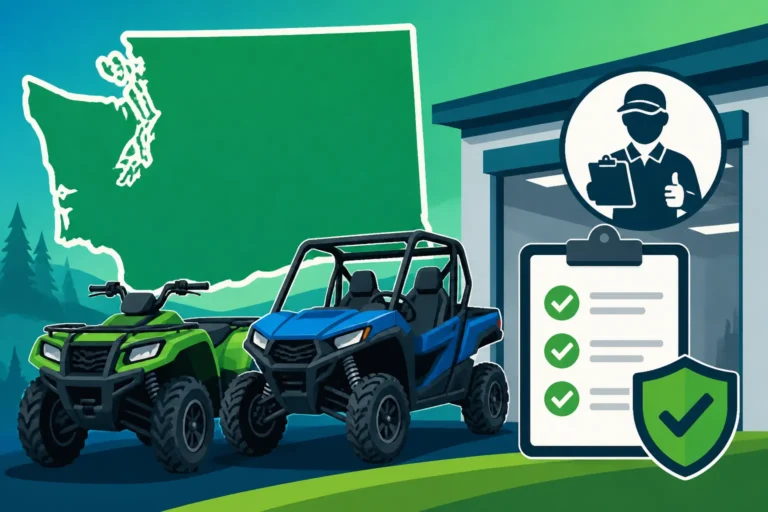
When seeking a shop to perform your WATV inspection, you're primarily looking for a licensed vehicle dealer or a registered repair shop that is authorized by the state to perform these specific inspections. This often means powersports dealerships that sell ATVs, UTVs, and dirt bikes are excellent places to start. They are typically well-versed in the requirements and have technicians who regularly work on these types of machines. Many motorcycle or ATV dealerships, whether they sell new or used machines, will have the capability and authorization.
Beyond dealerships, some independent repair shops that specialize in off-road vehicles or even general automotive repair shops that have obtained the necessary state authorization may also offer this service. The key is that they must be recognized by the Department of Licensing (DOL) as a qualified facility. It's not a service every mechanic can offer, so don't be afraid to call ahead and ask directly if they perform WATV safety inspections for Washington road use. They should be familiar with the process of filling out the necessary paperwork to confirm your machine's compliance, which is a crucial step towards [Registering a WATV in Washington].
Not Just Any Mechanic: The Specifics of Certification
It's tempting to think that since your cousin's buddy is a great mechanic, he can just give your WATV a once-over and sign a form. Unfortunately, that's not how it works in Washington. The state requires that WATV safety inspections be performed by a certified professional associated with an authorized business. This ensures a consistent standard of safety and accountability. These professionals have typically undergone specific training or possess a level of experience that qualifies them to assess all the [Equipment a Washington WATV Needs on a Road].
The certification isn't just about knowing how to fix an engine; it's about understanding the nuances of road safety equipment, such as proper lighting output, mirror placement, and brake efficacy, all within the context of WATV specifications. You cannot self-inspect your machine, nor can an uncertified individual sign off on the required inspection form. The Department of Licensing maintains a strict protocol to ensure that only qualified entities perform these vital checks. Therefore, always confirm that a shop is indeed authorized for WATV inspections before you even trailer your machine over there. This step is as important as having a clear [A Washington Bill of Sale for a WATV] when you acquire your machine.
Navigating the Inspection Process and What to Expect
Once you've identified a qualified shop, understanding what happens next can help alleviate any anxiety you might have. Being prepared can make the process smoother, whether you're bringing in a brand-new side-by-side or an older quad that you've just spruced up for road duty. It's a key part of getting your machine ready for [Washington Rules for Riding a County Road].
Preparing Your WATV for Inspection
Before you even load your WATV onto a trailer, do a thorough pre-check yourself. Make sure all your lights work—headlights (high and low beam), tail lights, brake lights, and especially those crucial [Washington Turn Signal Requirements]. Test your horn; it should be audible from at least 200 feet away. Check your mirrors; ensure they provide a clear view to the rear as per [Washington Mirror Requirements for Road Use]. Inspect your tires for adequate tread depth and proper inflation. You’ll also want to verify that your machine has a properly functioning exhaust system with a spark arrester. Don't forget any other [Washington Lighting Requirements for WATVs] or safety equipment that might be specific to your machine type.
Gather all your necessary paperwork as well. This might include your vehicle's title or proof of ownership, a bill of sale (which you might have created using a reliable service like LawDepot), and any previous registration documents if you're not the first owner. Having these readily available will make the administrative part of the inspection much quicker. A clean and well-maintained machine also tends to leave a better impression, though cleanliness isn't technically part of the safety check.
What Happens During the Inspection Itself
When you bring your WATV in, the authorized inspector will systematically go through a checklist of safety components. They will physically examine and test each item to ensure it meets Washington's standards for road-legal WATVs. This includes, but isn't limited to:
- Brakes: Checking both front and rear brakes for proper function, adequate stopping power, and no excessive wear on pads or rotors.
- Lights: Verifying all required lights (headlights, tail lights, brake lights, turn signals) are present, functional, correctly aimed, and visible.
- Horn: Ensuring the horn works and produces a sufficient sound.
- Mirrors: Confirming the presence of at least one rear-view mirror that allows the driver to see at least 200 feet to the rear.
- Tires: Inspecting tire condition, tread depth, and appropriate sizing for the vehicle.
- Exhaust System: Checking for a muffler and a spark arrester in good working order.
- Steering and Suspension: Looking for excessive play or damage that could compromise control.
- Seat Belts/Restraints: For utility vehicles (side-by-sides), ensuring seat belts are present and functional.
- Windshield/Eye Protection: Verifying that a windshield is present, or if not, that riders will have eye protection.
The inspector will likely take your machine for a brief test run to check braking and handling characteristics. This detailed examination is vital for your [Titling a WATV in Washington] application, as the inspection certificate is a required document.
The Outcome: Pass, Fail, and Next Steps
Once the inspection is complete, one of two things will happen: your WATV will either pass or fail.
If your WATV passes, congratulations! The inspector will provide you with a signed inspection certificate or form, which is what you'll need to take to the Department of Licensing (DOL) or a vehicle licensing office to complete your [Washington WATV Registration Cost] and apply for your on-road tab. Remember, the [The $50 Safety Inspection Cap in Washington] means the cost for this inspection won't exceed that amount, though shops might charge less. Make sure to keep this document safe with your other registration paperwork.
If your WATV fails, don't despair! The inspector will provide you with a list of deficiencies that need to be corrected. This could be anything from a burnt-out brake light bulb to needing new tires or adjusting your mirrors. You'll need to make the necessary repairs or adjustments and then bring your WATV back for a re-inspection of only the failed items. Sometimes, these fixes are minor and can be done quickly. Once those issues are addressed, the shop will sign off, and you'll be on your way to getting those road-legal tabs. It’s a common scenario, and they'll usually work with you to get everything sorted out.
Finding a Certified Inspection Location in Your Area
Now that you know what to look for and what to expect, the next step is actually locating a shop in your part of Washington that can perform the inspection. While powersports dealers are a solid bet, it's good to have a few options. This is especially true if you live in a less populated area where specialized shops might be few and far between. Remember that the [Washington WATV Safety Inspection Cost] will be capped, so don't let worries about excessive fees deter you from calling around.
Starting Your Search: Online Tools and Local Resources
Your best bet for finding an authorized WATV inspection site is to start with a quick online search. Use terms like "Washington WATV inspection," "street legal ATV inspection Washington state," or "ORV inspection near me." Many powersports dealerships will advertise if they offer this service. You can also directly consult the Washington State Department of Licensing (DOL) website. While they may not provide a direct list of every single authorized shop, they often have information on the type of facilities authorized to perform vehicle inspections and might offer a way to search for qualified businesses.
Don't underestimate local resources either. Community forums, social media groups dedicated to Washington ATV/UTV riders, or even just asking around at local off-road events can yield excellent recommendations. Riders who have already been through the process are a fantastic source of firsthand information about [Where to Get a Washington WATV Inspection] and which shops are reliable and experienced. Local mechanics who specialize in motorcycles or small engines might also be an option if they have the necessary certification.
Asking the Right Questions: What to Confirm Before You Go
Before you load up your machine and head out, it's always a good idea to call the prospective inspection shop and ask a few key questions. This will save you time and potential frustration.
- "Do you perform Washington State WATV safety inspections for on-road use?" Be specific. Some shops might do general ATV maintenance but not the specific inspection required by the DOL.
- "What is the cost of the inspection?" While there's a state cap, shops can charge less. It's good to know upfront.
- "Do I need an appointment, or can I just bring it in?" Most reputable shops will require an appointment, as these inspections can take time.
- "How long does the inspection typically take?" This helps you plan your day.
- "What documentation do I need to bring with me?" Confirming this ensures you have everything prepared.
- "What happens if my WATV fails the inspection?" Understand their re-inspection policy and any associated costs.
Confirming these details upfront will give you peace of mind and ensure you're dealing with a shop that understands the specific requirements for [Washington ORV Registration Processing Time] and getting your machine street-legal. For instance, if you’re trying to gather all your ownership documents, a service like LawDepot can be invaluable for ensuring you have all the correct forms, especially if you've recently purchased a used machine or are dealing with a complex title transfer.
Common Pitfalls and How to Avoid Them
Even with all the right information, navigating the inspection process can have its challenges. Being aware of common pitfalls can help you avoid them.
One major pitfall is going to an unauthorized shop. As mentioned, not just any mechanic can sign off on this. An inspection from a non-certified individual or business will be rejected by the DOL, meaning you'll have to get it done all over again. Always verify their authorization over the phone before you go. Another issue can be an incomplete inspection, where the shop might rush through it. A reputable shop will take their time and explain what they're doing. If something feels off, or if they seem overly casual about critical safety checks, it might be worth finding another inspector.
Also, be wary of hidden fees. The state cap applies to the inspection itself, but some shops might try to charge extra for "diagnostic fees" or other services that aren't truly part of the inspection if they find issues. Clarify what the quoted price includes. Lastly, ensure you receive the correct paperwork. The DOL requires a specific form (often called a "WATV Road Use Declaration" or a similar inspection certificate) to be completed and signed. Without this, your inspection isn't valid. Having all your ducks in a row, from your machine's condition to your LawDepot-generated bill of sale, will prevent many of these headaches.
Here’s a quick overview of what a Washington WATV safety inspection generally covers:
| Component | What the Inspector Checks For | Why It Matters for Road Use |
|---|---|---|
| Braking System | Front and rear brake function, stopping power, pad/rotor wear | Essential for safe stopping, preventing accidents. |
| Headlights | Functionality (high/low beam), proper aim, visibility | Illumination for night riding, visibility to other drivers. |
| Tail Lights/Brake Lights | Functionality, brightness, visibility | Being seen from the rear, signaling braking intentions. |
| Turn Signals | Functionality (front/rear), visibility, proper operation | Signaling turns and lane changes to other road users. |
| Horn | Functionality, audibility (200 ft minimum) | Warning pedestrians and other vehicles of your presence. |
| Mirrors | Presence of at least one rear-view mirror, clear visibility | Seeing traffic behind you, crucial for safe maneuvering. |
| Tires | Condition, tread depth, proper inflation, appropriate type | Traction, stability, and handling on pavement. |
| Spark Arrester | Presence and good working order | Preventing wildfires from engine sparks, required by law. |
| Muffler | Presence and proper function, sound level compliance | Noise reduction and exhaust gas control. |
| Steering/Suspension | No excessive play, damage, or loose components | Maintaining control and stability on paved surfaces. |
| Seat Belts (UTV/Side-by-side) | Presence and proper function | Occupant safety in case of a collision or sudden stop. |
| Windshield/Eye Protection | If no windshield, rider must wear eye protection (goggles) | Protecting rider's vision from debris and wind. |
Remember, getting your WATV inspected is a vital step on the path to enjoying Washington's incredible multi-use road system. With a little preparation and knowledge, you can navigate the process smoothly and get back to riding.
Disclaimer
This article is for general informational purposes only and does not constitute professional advice. Laws, prices and regulations vary by location and change over time. Consult a qualified professional for guidance on your specific situation.