Porter Creek Campground in Washington’s Capitol Forest
Porter Creek Campground gives riders a practical base for exploring Capitol State Forest, but a smooth trip takes more than finding a campsite. Access roads, trail conditions, permits, and available facilities can all affect the day. This guide explains how to plan a stay, prepare your ATV or UTV, ride responsibly, and check the details that matter before you leave home.
Getting to know Porter Creek Campground
Where the campground fits into a Capitol Forest trip
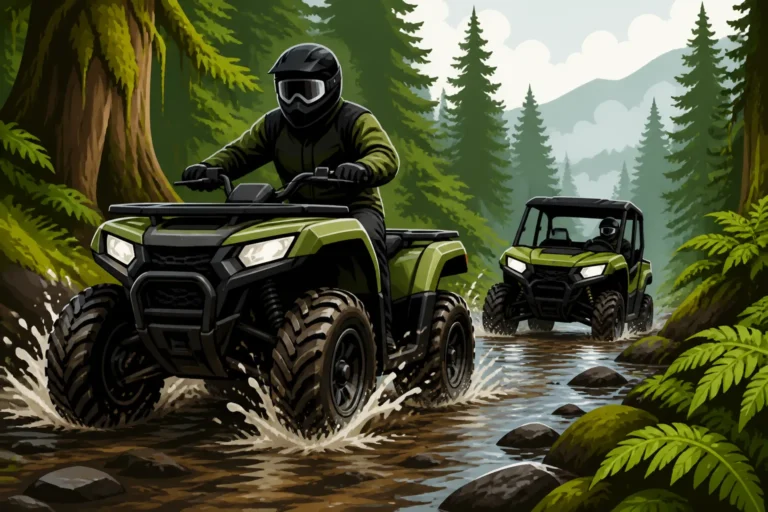
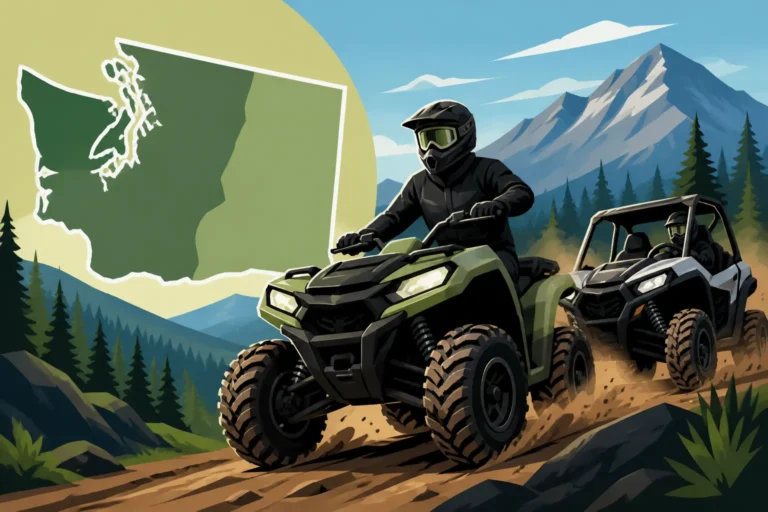
Porter Creek Campground is in Capitol State Forest, a large working forest west of Olympia with a mix of recreation roads, trails, and active forest operations. It can be a useful starting point for riders who want to camp near their riding area rather than spend the morning driving in from a town. The forest is not a single, neatly contained ATV park, though. Routes may connect through a broad landscape of public recreation land, roads, and areas where access can change.
That working-forest setting shapes the experience. A road that looks quiet on a map may be used by forestry vehicles, and a route that was open on your last visit may be closed for maintenance, timber work, weather, or another management reason. Treat the campground as a convenient base, not a guarantee that every nearby road or trail is open to motorized use.
If you are new to the area, it helps to look at the forest as a whole before choosing a campsite or ride. [Capitol State Forest Near Olympia, Washington] offers useful regional context, while [Washington's 110,000-Acre Capitol Forest] puts the scale of the riding area into perspective. A map may make distances appear short, but forest-road travel can take longer than expected, especially when the surface is muddy, rutted, or shared with work traffic.
What to confirm before you count on a campsite
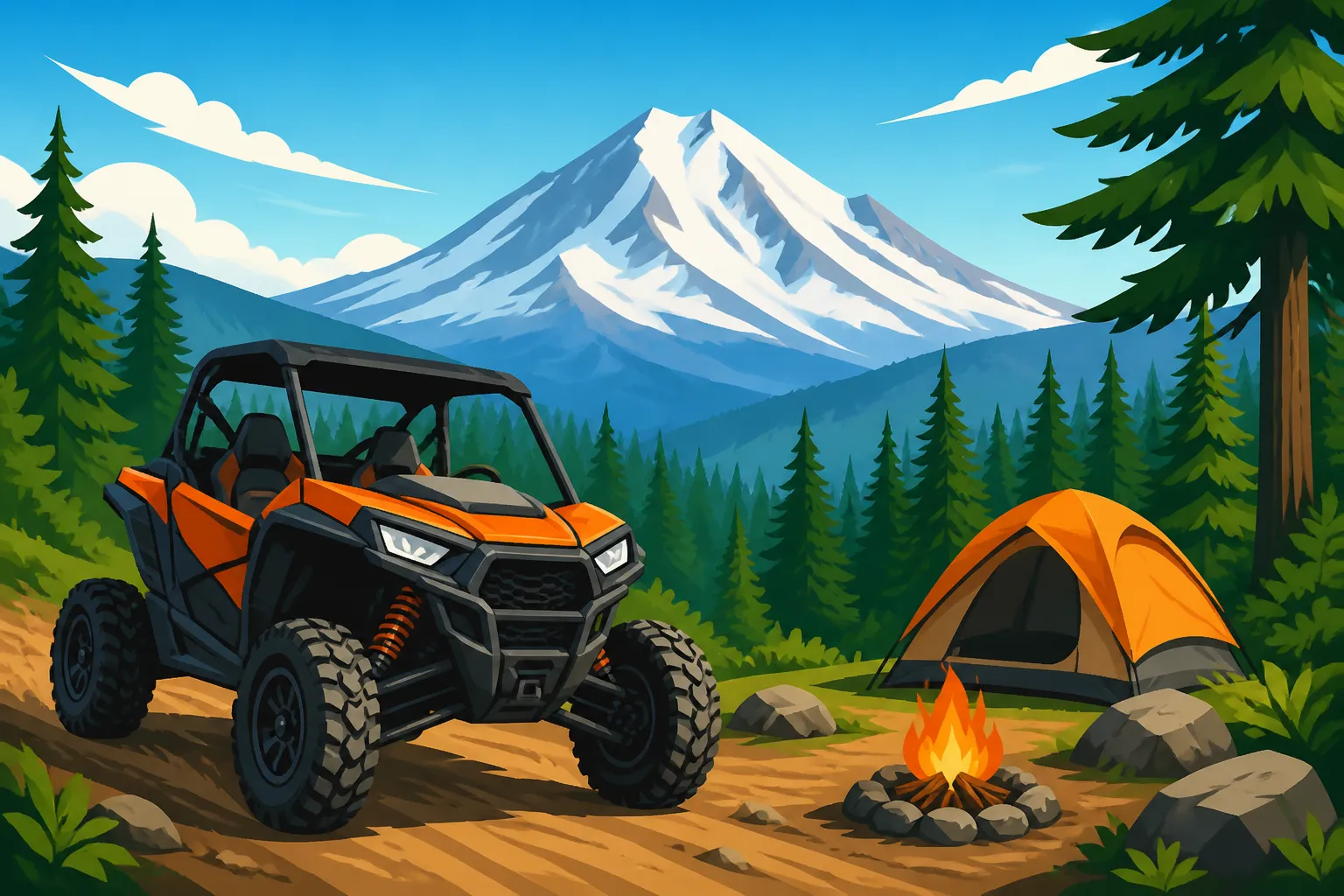
Do not assume Porter Creek has a particular number of sites, a specific toilet setup, potable water, garbage service, or reliable cell coverage. Facilities and access arrangements can change, and a campsite description found in an old post or saved map may no longer match what you find on arrival. Check current land-manager information before setting out, and be prepared to camp without amenities if the site does not offer what you need.
This matters most when you are bringing children, arriving late, or planning to stay more than one night. If there is no drinking water available, you will need to carry enough for cooking, washing, and drinking. If there are no services for waste or rubbish, plan to pack out what you bring in. A toilet, if present, should not be treated as a reason to leave toiletries, food scraps, or other waste behind.
Build a backup into the plan. If you arrive and the site is full, closed, inaccessible, or unsuitable for your group, you do not want your only alternative to be an unplanned search after dark. Review [Camping at a Washington ORV Area] and identify another legal place to stay before you load the trailer. Keep campground access and riding access separate in your planning: a place to park or sleep does not automatically authorize riding every road or trail nearby.
Planning your ride from camp
Match the route to your machine and your group
Capitol Forest includes different kinds of motorized routes, and not every route is right for every machine. A narrow trail that works for a quad may not accommodate a wide side-by-side. A route that a confident adult finds manageable can still be stressful for a beginner, a young rider, or someone on a machine that is not set up for wet, uneven ground. Choose routes based on the least experienced rider and the largest machine in your group, rather than the most capable rider.
Before leaving camp, review route length, connections, and potential exits. A loop can look simple on a screen but include confusing junctions or stretches where turning around is awkward. Discuss a turnaround point before you ride. If someone in the group is getting tired, uncomfortable, or low on fuel, turning back early is a sound decision—not a failed ride.
For route planning, use current official maps and closure information first. A digital recreation map can be helpful for understanding route shapes and saving a planned track; onX Offroad can be one tool for organizing a route, but it should not replace land-manager notices or signs posted at the road. Save important map information for offline use before heading into an area where cell service may be weak. [Washington Trail Maps From DNR] and [Washington Trail Difficulty Ratings] are useful starting points for building a realistic plan.
Check access and closures before unloading
Forest access can change quickly. A storm may damage a road, maintenance crews may close a segment, or timber operations may affect a route. Even if you rode a road last season, verify that it is currently open and appropriate for your machine. Pay attention to signs at junctions and gates, and never treat a barrier as a suggestion simply because your map shows a route continuing beyond it.
Check conditions close to your departure and again when you reach the forest. A route may be open in general but temporarily closed on the day you arrive. If a notice is unclear, choose another route rather than guessing. [Washington Trail Closures to Check First] explains why checking access is part of the ride plan, not a last-minute formality.
It is also worth checking whether a road is a designated motorized route or simply a forest road. A road’s existence does not by itself mean it is open to your ATV or UTV. Use current official information, respect posted restrictions, and stay on routes intended for motorized use. onX Offroad may help you keep track of your planned route, but ground signs and official closure notices take priority if they do not match what you expected.
| Before the ride | What to check | Why it matters |
|---|---|---|
| Before leaving home | Campground status, access, and backup lodging | Avoid arriving without a legal place to stay |
| Before loading the machine | Registration, permits, equipment, and fuel | Catch missing essentials while you can still fix them |
| Before choosing a route | Current map, route type, and machine suitability | Prevent a trail-width or difficulty mismatch |
| At the forest entrance | Closure notices, gates, and posted signs | Conditions can change after you planned the ride |
| Before heading back | Fuel, daylight, weather, and group energy | Reduce the chance of a rushed return |
Preparing your ATV or UTV and camp
Pack for a damp forest stay
Western Washington weather can make a comfortable camp feel miserable if basic gear is left at home. Pack rain layers, dry clothing, waterproof storage, and a way to keep sleeping gear dry even if you unload in a drizzle. A tarp can be useful, but set it up so it does not block access, drainage, or other campers. Keep food secured and separate from clothing and bedding.
Water deserves special attention. If you have not confirmed that potable water is available, bring what your group needs for drinking, meals, and basic cleanup. A riding day can use more water than expected, especially when the weather is cool enough that people do not notice how much they are drinking. Carry extra in the tow vehicle rather than relying on a small bottle in a pack.
Bring a rubbish bag and a plan for packing out food waste and packaging. Wet wrappers and food scraps can be unpleasant to manage, but leaving them behind makes the site worse for everyone. If you are unsure what amenities are available, make the conservative assumption: bring the supplies you would need for a simple, self-sufficient campsite. For more trip-planning ideas, [Washington ORV Areas With Vault Toilets] and [Washington ORV Camping With Hookups] can help you compare the kinds of facilities different areas may offer.
Check the machine before the drive and the ride
A machine can run well in the driveway and still give you trouble after a long tow, a muddy route, or a full day of riding. Before leaving, check the tires, brakes, controls, battery, fluids, lights, and tie-down points. Look for leaks and obvious damage, and make sure the machine’s fuel range suits the route you have planned. If your group is bringing more than one machine, check each one separately rather than assuming they are all ready because one passed inspection.
Pack a basic repair kit that fits the machines and the type of ride. Useful items may include tools for common fasteners, tire-repair supplies, a pump, gloves, a tow strap, and spare items recommended by the manufacturer. A winch can be useful in some situations, but it is not a substitute for choosing an appropriate route or knowing how to use recovery equipment safely. Agree on a recovery plan before anyone gets stuck.
After a wet ride, inspect the machine before heading home. Mud can hide damage, and debris around a radiator or other cooling components can cause problems later. Check tires and visible suspension parts, rinse off material where appropriate, and avoid washing contaminants into a stream or sensitive area. [Washing a Machine Before You Leave] and [Radiators Packed With Coast Range Clay] are helpful reminders for riders dealing with wet, muddy conditions.
Riding safely and responsibly around camp
Respect shared roads and working-forest traffic
Capitol Forest is a shared-use landscape. You may encounter hikers, other motorized users, cyclists, horseback riders, wildlife, and vehicles associated with forest work. Slow down near camp, at blind corners, and wherever visibility is limited. Dust, mud, and engine noise can affect other visitors even when no one is directly in your path, so keep speed and throttle under control.
Forestry vehicles deserve particular caution. A loaded truck may need more room to stop or maneuver than a passenger vehicle, and visibility can be limited around bends, dust, or vegetation. Leave space, follow any instructions from workers, and do not pass through a closed work area. If you come across a gate or closure notice, stop and assess the situation instead of trying to work around it. [Sharing a Gravel Road With Hauling] explains why giving work traffic room is important on forest roads.
Keep your riding group organized. Agree on a leader and a sweep rider if the group is large enough, set a regrouping point, and make sure everyone knows how to respond if the group gets separated. Keep a safe distance between machines, especially on slippery hills or where a rider may need to stop suddenly. Riding together does not mean riding close enough to create a pileup.
Keep noise, fire, and campsite impacts under control
A campground is a shared place to rest, not an extension of the riding area. Follow posted quiet hours and any specific site rules, and avoid unnecessary engine idling around other campers. Shut machines off when they are parked for the evening, and do not use the campground as a place for high-speed riding, spinning tires, or testing noisy modifications.
Fire restrictions can change with weather and land-management conditions. Check current rules before lighting a campfire, and use only permitted fire areas if fires are allowed. Never assume that a fire is acceptable just because you see an old fire ring. Make sure any permitted fire is attended and fully extinguished before leaving it. If restrictions prohibit fires, bring a suitable alternative for cooking rather than deciding on arrival that a small fire “probably won’t hurt.”
Stay on established routes and campsite surfaces. Cutting a new path around mud or a blocked area can damage vegetation, widen ruts, and create access problems for the next visitor. Pack out rubbish, keep food from attracting wildlife, and leave natural features where they are. For broader guidance on access and land rules, review [Washington Rules for Riding DNR Land] and [Washington Sound Limits for ORVs] before your trip.
Choosing the right season and making a backup plan
Expect seasonal changes in trail conditions
The best time to camp at Porter Creek depends on what you want from the trip and what the forest is like when you arrive. A route that is pleasant in dry weather can become slick and tiring after sustained rain. Mud, roots, standing water, and ruts can slow down a ride and make a moderate route feel much more demanding. If you are bringing newer riders, choose a route with easy turnarounds and avoid making the longest loop your first outing.
Wet conditions also make it more important to ride within your limits. Do not assume that more throttle will solve every muddy section. Spinning tires can dig ruts, damage the trail, and make it harder for the next rider. If a route is deteriorating, turn back or choose another open route rather than trying to force your way through. [Washington Riding in the Wet Season] and [Washington Riding Seasons by Forest] can help you think through seasonal planning.
Summer and drier periods bring their own considerations, including dust, heat, fire restrictions, and increased visitor traffic. Start with enough water, check for closures, and expect more people at popular access points during busy weekends. Conditions at the campground and conditions on the trails are not always identical; a usable campsite does not prove that every riding route is open or in suitable shape.
Prepare a backup for weather, access, and tired riders
A flexible plan can save a weekend. Before travelling, identify a second ride option and another place to stay in case Porter Creek is full or unavailable. Let someone at home know where you expect to ride and when you plan to return. If your route changes, update that person when practical, especially if you will be away from cell service.
Set simple group rules before the first machine starts. Decide what everyone should do if they lose sight of the group, how long the group will wait at a junction, and who carries essential supplies. A family group may want shorter loops and more frequent breaks; a group of experienced adults may still need a conservative turnaround plan if rain or fatigue changes the conditions.
Finally, be willing to change the day’s plan. A late arrival, a closed route, heavy rain, or a machine problem may mean camping and taking a short, easy ride instead of attempting a full-day loop. That is often the safer and more enjoyable choice. onX Offroad can help you keep a planned route available offline, while current official notices and signs should guide decisions about whether you can use that route. The best Porter Creek trip is not the one that follows the original plan at all costs; it is the one where everyone gets back to camp safely and leaves the forest in good condition.
Disclaimer
This article is for general informational purposes only and does not constitute professional advice. Laws, prices and regulations vary by location and change over time. Consult a qualified professional for guidance on your specific situation.