Washington Fines for Illegal WATV Road Use
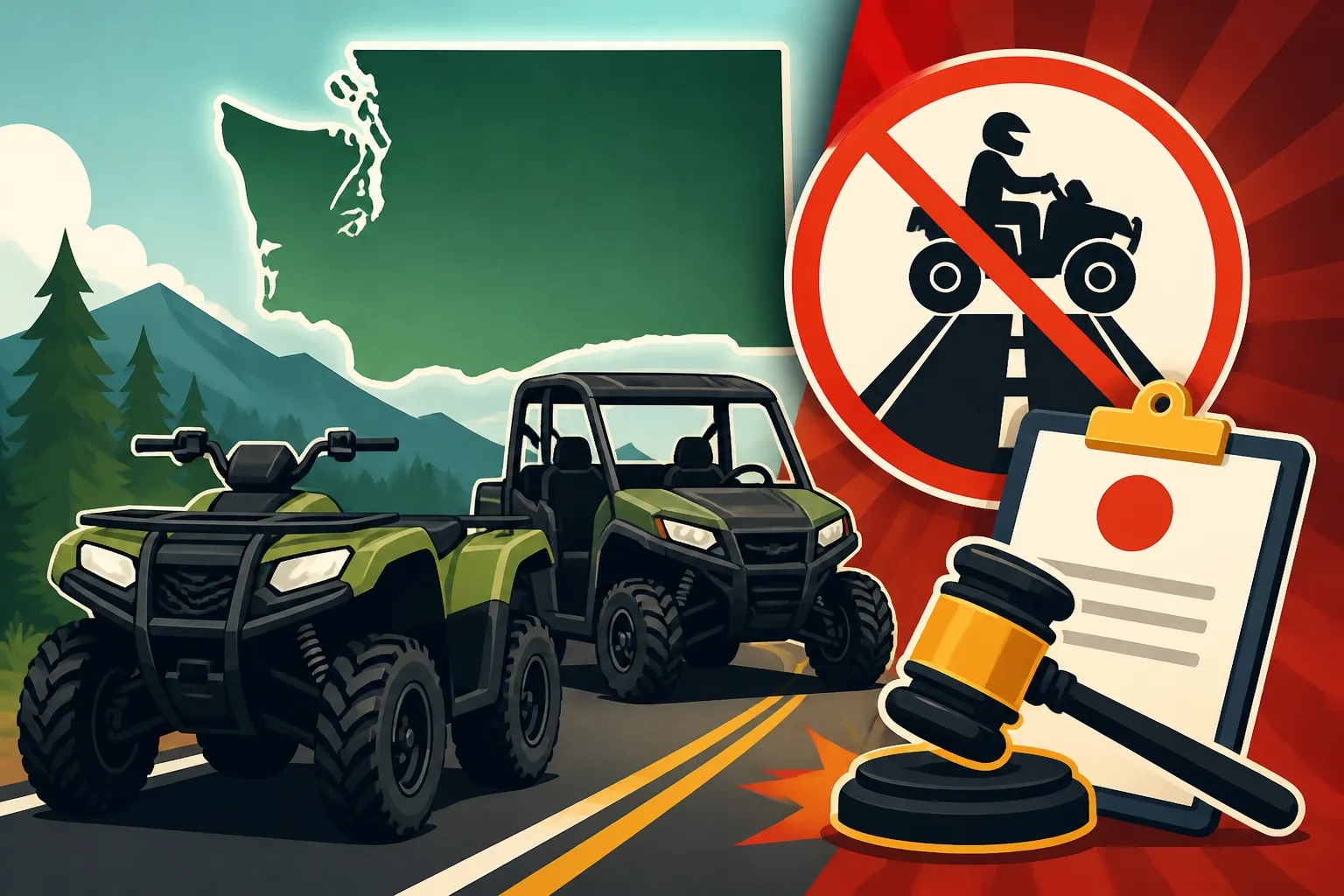
It's incredibly frustrating when you just want to get out and enjoy your Washington all-terrain vehicle (WATV) or utility terrain vehicle (UTV), but the rules for riding on public roads can feel like a maze, leading to unintentional violations and unexpected penalties. This guide is here to shed some light on the common fines and consequences you might face for illegal WATV road use in Washington State, helping you understand the pitfalls and how to ride legally and responsibly.
The Risks of Illegal WATV Road Use in Washington
We've all been there: you're just trying to get from one section of trail to another, or maybe you need to run a quick errand on a county road, and you think, "What's the harm?" But the truth is, riding your WATV on roads where it's not explicitly permitted or without the proper equipment and registration can quickly turn a fun outing into a costly headache. Washington State has specific laws designed to govern where and how these machines can operate on public roadways, and stepping outside those boundaries carries real consequences. It’s not just about avoiding a ticket; it's also about safety, for yourself, other drivers, and pedestrians.
The state’s intention with these regulations isn't to squash your fun, but to integrate WATVs safely into the existing road infrastructure where it makes sense, and to keep them off busy, high-speed roads where they simply don't belong. When you bypass these rules, you're not just risking a fine; you're potentially putting yourself and others in danger due to speed differentials, visibility issues, and the sheer difference in vehicle design. It's a heavy thought, but one worth considering when deciding whether to take that shortcut on pavement.
Why Enforcement Takes Road Use Seriously
From a law enforcement perspective, illegal WATV road use isn't a minor infraction. It's often viewed through the lens of public safety. An unregistered or improperly equipped WATV on a public road can be a significant hazard. These machines are designed for off-road environments, not for merging with traffic, handling high speeds, or navigating complex intersections. They don't have the same safety features, signaling capabilities, or crashworthiness as a typical passenger car.
Furthermore, illegal road use often goes hand-in-hand with other potential issues, such as riding under the influence, excessive speed, or operating without a valid driver's license. While you might only be thinking about a short hop down the road, an officer sees a broader picture of potential risks. The fines and penalties are structured to deter these actions, encouraging riders to either adhere to the rules for legal road access or stick to designated off-road areas. It’s a way to maintain order and ensure that everyone, whether in a car or on a WATV, can share public spaces safely.
The Impact on the WATV Community
When individual riders choose to operate their machines illegally on public roads, it unfortunately reflects poorly on the entire WATV community. Incidents involving unregistered or improperly operated machines can lead to increased public scrutiny, stricter regulations, and even the closure of valuable riding opportunities. We've seen it happen in various areas where a few bad actors can spoil it for everyone else.
Local communities and lawmakers often react to complaints about noise, reckless driving, or perceived dangers from WATVs on roads. These reactions can manifest as new ordinances that further restrict road access, or even lead to bans in areas where WATVs were previously welcome. It's a delicate balance, and every rider plays a part in maintaining a positive image and preserving our access to trails and designated road segments. Being aware of and adhering to the rules helps ensure that we can all continue to enjoy our machines for years to come.
Types of Fines and Penalties You Might Face
So, what exactly happens if you're caught riding your WATV illegally on a Washington public road? The consequences can range from monetary fines to more serious legal actions, depending on the specific infraction and whether you've had previous violations. It's rarely just a slap on the wrist, and these penalties are designed to be a significant deterrent. It's crucial to understand that these aren't just minor traffic tickets; they often fall under specific ORV (Off-Road Vehicle) statutes, which can carry their own unique set of penalties.
Think about it like this: riding an unregistered or improperly equipped machine on a public road is essentially like driving an unregistered, uninsured car that doesn't meet safety standards. The state wants to ensure that any vehicle operating on its roads can be identified, is safe, and its operator is accountable. Without proper registration and equipment, these fundamental requirements aren't met.
Citations for Operating Without Proper Registration
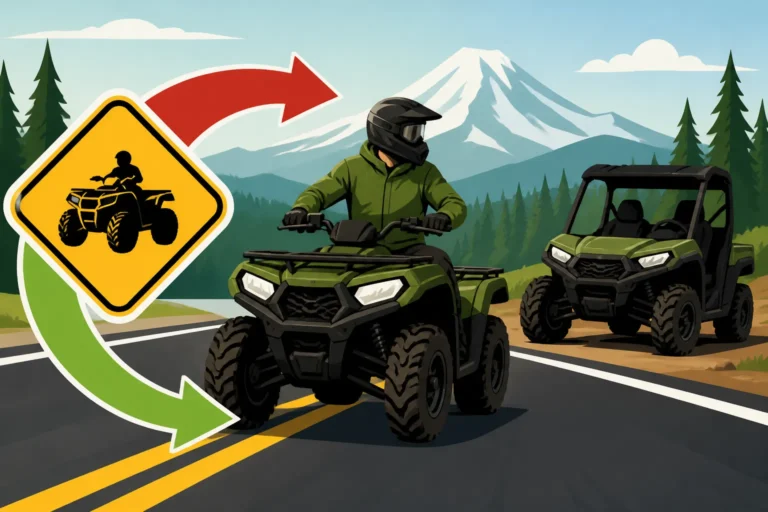
One of the most common reasons riders face fines on Washington roads is for operating a WATV without the correct registration or tabs. Washington has a clear system for [Washington's Off-Road Tab Explained] and [Washington's On-Road Tab Explained]. If you're on a public road that allows WATVs, you typically need to have the on-road tab, in addition to the off-road tab. Simply having the off-road tab isn't enough for road use, even if the road is technically open to WATVs.
A citation for an unregistered WATV can be substantial, and these fines often increase with repeat offenses. Beyond the base fine, you might also face court fees and administrative costs that add significantly to the overall expense. This is why it's so important to understand [Washington WATV Registration Cost] and ensure your machine is current. It's a yearly commitment that protects you from these more severe financial hits. Don't forget, there are rules around [Washington's Fifteen-Day Registration Deadline] after purchase, so even new owners need to be diligent.
Penalties for Missing Required Road Equipment
Washington State mandates specific equipment for WATVs to be considered "street legal" on designated roadways. This isn't just about having a pair of [Mirrors and a Horn for Washington Road Use]; it includes things like proper lighting, turn signals, and in some cases, a windshield or eye protection. If you're pulled over and your WATV doesn't have the necessary equipment for the road you're on, you're looking at fines for each missing item.
For instance, not having functional [Turn Signals on a Washington Road Machine] or a working horn can each result in separate citations. These aren't just minor equipment violations; they are critical safety components that ensure you can communicate your intentions to other drivers and be seen. Investing in the right gear, perhaps from a brand like SuperATV which offers a wide range of accessories, is not just about making your ride more enjoyable, but about keeping you compliant and safe. Always check the specific [Washington WATV Road Requirements] for the most up-to-date list of what you'll need.
Fines Related to Operator Licensing and Safety Gear
Just like driving a car, operating a WATV on public roads in Washington requires a valid driver's license. If you're caught riding without one, the fines can be significant, often paralleling those for operating any motor vehicle without a license. This also applies to minors: [Washington Minimum Age to Ride a Road] rules are strict, and [Washington Supervision Rules for Minors] must be followed carefully.
Additionally, Washington has a mandatory helmet law that applies to WATV riders and passengers, even on roads where WATVs are permitted. Failing to wear an approved helmet can result in a separate fine. This isn't just a recommendation; it's a legal requirement designed to protect you in the event of an accident. Ignoring the [Washington Helmet Law for WATV Riders] is an easy way to accumulate additional penalties on top of other infractions. Remember, these safety requirements are in place to save lives and prevent serious injury, making the fines a consequence of disregarding personal safety.
| Infraction Type | Potential Consequences (General) | Key Prevention Measures |
|---|---|---|
| No On-Road Tabs/Improper Registration | Significant fine, potential impoundment | Proper registration and current tabs (off-road & on-road) |
| Missing Required Road Equipment | Fines per missing item | Install all required road-legal accessories |
| No Valid Driver's License | Substantial fine, license suspension risk | Always carry a current, valid driver's license |
| No Helmet | Fine | Always wear an approved helmet |
| Exceeding Posted Speed Limit | Fine, points on license, increased insurance | Adhere to all speed limits |
| Illegal Road Choice (e.g., Highway) | Significant fine, impoundment, towing fees | Know and follow permitted road lists and restrictions |
| Impaired Operation (DUI) | Severe fines, license revocation, jail time | Never operate under the influence of alcohol or drugs |
Beyond the Ticket: Other Consequences
Getting a ticket for illegal WATV road use is certainly no fun, and the monetary fines can sting. However, the repercussions of operating your machine outside the legal framework in Washington can extend far beyond a simple payment. These additional consequences can impact your wallet, your driving record, and even your ability to enjoy your WATV in the future. It’s important to think about the full scope of potential problems, not just the initial cost of the citation.
Imagine you're cited for multiple violations at once – say, no on-road tab, no turn signals, and no valid driver's license. Each of these can stack up, creating a much larger financial burden and potentially leading to more severe administrative actions against your driving privileges. It's why taking the time to understand and follow the rules, like those detailed in [Washington Rules for Riding a County Road], is so incredibly important.
Impoundment and Towing Fees
One of the most immediate and costly consequences of illegal WATV road use, especially for serious infractions, can be the impoundment of your machine. If law enforcement determines your WATV is being operated illegally or is a significant public safety hazard, they have the authority to have it towed and impounded. This means not only the initial towing fee, which can be substantial, but also daily storage fees at the impound lot.
These fees add up quickly, sometimes surpassing the cost of the original fines. Retrieving your WATV from impound typically requires that you first resolve all outstanding citations, pay all towing and storage fees, and demonstrate that you can legally remove the machine (e.g., by having proper registration and a licensed driver). This process can be a huge hassle and a massive financial drain, turning a simple ride into a nightmare. It serves as a stark reminder of why adherence to [Washington Fines for Illegal WATV Road Use] is critical.
Impact on Your Driving Record and Insurance
Many WATV violations, particularly those involving illegal road use, can impact your conventional driving record. Depending on the severity and nature of the offense, points might be assessed against your driver's license. Accumulating too many points can lead to increased insurance premiums for your cars and trucks, or even the suspension or revocation of your driver's license.
Imagine your auto insurance rates skyrocketing because of an ATV ticket. That's a long-term financial consequence that lasts long after the initial fine is paid. While [Washington WATV Insurance Requirements] generally only apply to machines registered for road use, any driving record infractions can spill over and affect your ability to insure any vehicle. It underscores the importance of treating your WATV operation on roads with the same seriousness as you would your car.
Legal Ramifications and Future Access
In some egregious cases, or for repeat offenders, illegal WATV road use can lead to more severe legal ramifications beyond civil fines. Operating a vehicle recklessly, causing property damage, or being involved in an accident while illegally on a road could result in criminal charges. These can range from misdemeanors to felonies, depending on the circumstances, and carry potential jail time, probation, and a permanent criminal record.
Furthermore, a history of violations can impact your ability to register WATVs or even obtain permits for organized rides in the future. The WATV community thrives on responsible access, and individuals who repeatedly flout the rules can find themselves persona non grata in various riding areas. It's a sobering thought, but understanding the full spectrum of potential consequences is the first step toward making informed and responsible decisions about where and how you ride.
How to Avoid Fines: Riding Legally in Washington
No one wants to deal with fines, impoundment, or the headache of legal trouble, especially when you're just trying to enjoy your machine. The good news is that avoiding fines for illegal WATV road use in Washington is entirely within your control. It comes down to understanding the rules, preparing your machine, and making informed choices about where and how you ride. Think of it as an investment in stress-free riding.
It might seem like a lot to learn, but with a bit of effort, you can navigate the system with confidence. The state has made an effort to provide clear guidelines for where and how WATVs can operate on certain roads, especially in smaller counties. Utilizing resources like [Washington Counties That Allow WATVs on Roads] and [Washington Cities That Allow WATVs on Streets] can be incredibly helpful.
Know Your Local Regulations and Open Roads
The most critical step in avoiding fines is to thoroughly research and understand the specific regulations for the areas you plan to ride. Washington State law dictates that counties with populations over 15,000 must actively "opt-in" to allow WATV use on specific county roads, publishing a list of approved roads. Smaller counties, those under 15,000, are generally "open by default" to WATVs on county roads, but they must publish a list of closed roads. It's a crucial distinction.
Before you ever head out, check the county's website for their official WATV ordinance and their list of open or closed roads. City streets operate under their own ordinances, so don't assume a city within an open county is also open to WATVs. A quick call to the county sheriff's office or city hall can clear up any confusion. This proactive research is your best defense against inadvertently riding where you shouldn't. Remember, a road that looks like a quiet logging path might actually be a restricted county road.
Ensure Your WATV Meets All Road-Legal Requirements
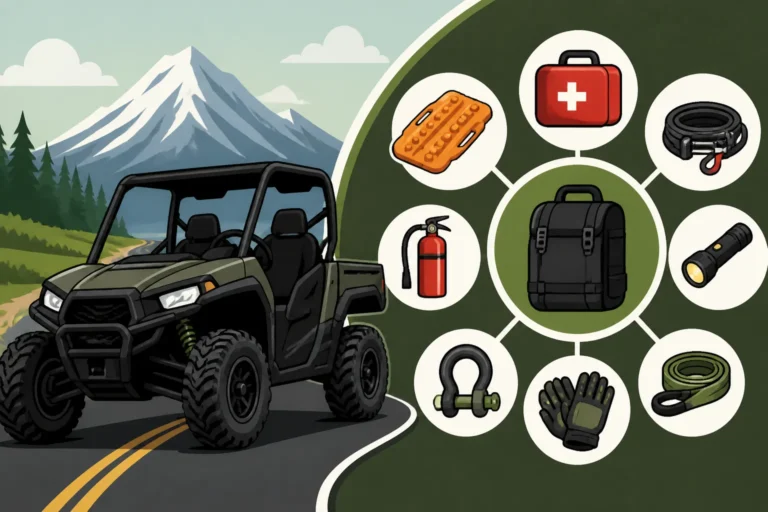
Once you've confirmed that a specific road is open to WATVs, your machine itself must meet stringent road-legal equipment standards. This goes beyond just having current off-road and on-road tabs; it involves specific safety and visibility features. Make sure your WATV has:
- DOT-approved tires: These are different from many off-road-only tires.
- Headlights and taillights: Fully functional and visible from appropriate distances.
- Brake lights: Clearly visible when you apply the brakes.
- Turn signals: Amber in color, front and rear, to indicate your intentions. Brands like SuperATV offer kits that can help you meet these requirements.
- Mirrors: At least one, typically mounted to provide a clear view to the rear. Two mirrors are often preferred for better visibility.
- A horn: Audible from at least 200 feet away.
- A spark arrester: Required for all ORV use, including road-legal segments, to prevent wildfires.
- A windshield or eye protection: To shield your eyes from debris.
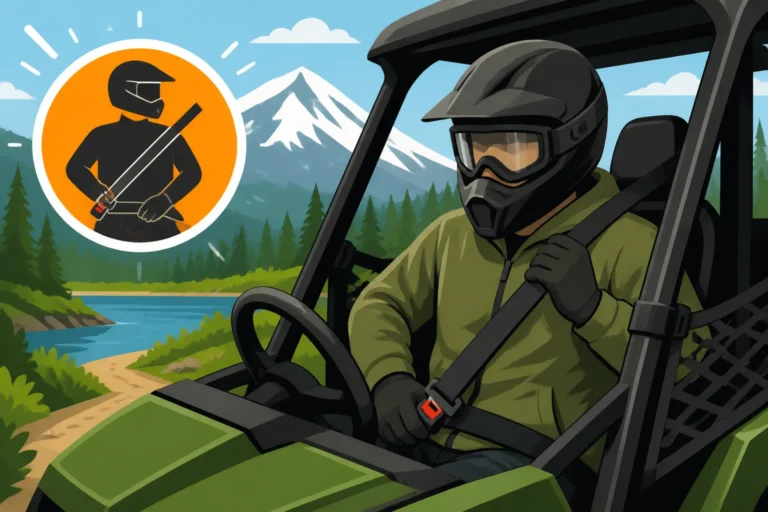
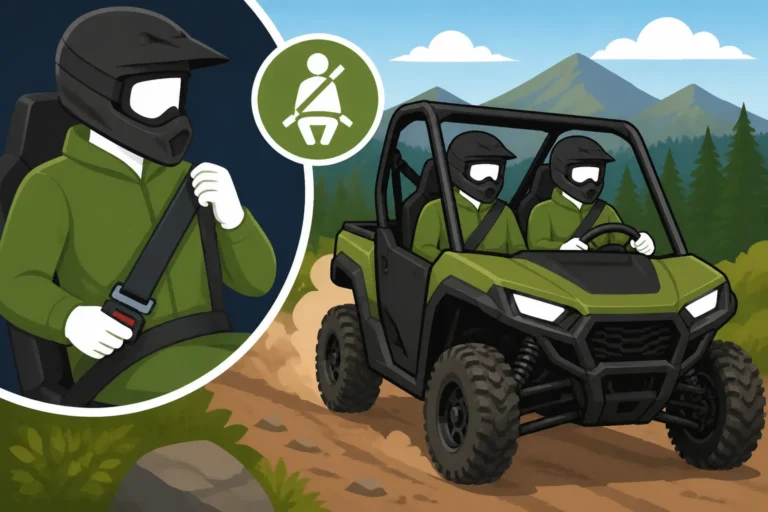
- Seat belts: If your machine is equipped with them from the manufacturer, they must be worn.
Additionally, remember that WATVs must display a [Washington Metal Tag Explained] on the rear, indicating its registration, and you must carry your current registration documentation with you while riding. [Carrying the Registration in the Machine] is not just good practice, it's often a requirement.
Always Ride Responsibly and Stay Alert
Even when you're on a legally open road with a fully compliant machine, responsible riding is paramount. Adhere to all posted speed limits, which are often lower for WATVs than for cars on the same road, and be extra vigilant for other vehicles, pedestrians, and cyclists. Remember, you're sharing the road, and WATVs handle differently than conventional vehicles.
Always wear your DOT-approved helmet, even if you're just going a short distance. Ensure all passengers are properly seated and also wearing helmets, especially if you have youth riders, paying close attention to [Washington Rules for a Rider Under 16] and [Washington Passenger Rules on a WATV]. Riding responsibly not only keeps you safe and legal but also helps foster a positive image for WATV riders within the community, which can go a long way in preserving access to these unique riding opportunities. A little common sense and courtesy on the road can prevent a lot of potential problems.
Disclaimer
This article is for general informational purposes only and does not constitute professional advice. Laws, prices and regulations vary by location and change over time. Consult a qualified professional for guidance on your specific situation.