Washington Trespass Rules for Riders
It's an absolute joy to hit the trails and backroads of Washington on your ATV or UTV, but nothing can throw a wrench into a perfect day faster than realizing you've ridden where you shouldn't have. Many riders feel a knot of anxiety about accidentally trespassing, given how varied land ownership can be in our beautiful state. This guide is here to walk you through Washington's trespass rules for riders, helping you confidently navigate public and private lands so you can enjoy your machine without worry.
Understanding Public vs. Private Land in Washington
The first step to avoiding trespass is knowing whose land you're on. Washington is a patchwork of public and private ownership, and the rules for riding vary wildly depending on who owns the dirt beneath your tires. It's not always obvious where one type of land ends and another begins, which is why many riders find themselves scratching their heads or, worse, inadvertently breaking the law.
The Basics of Public Access
When we talk about public land in Washington, we're generally referring to areas managed by state and federal agencies like the Department of Natural Resources (DNR), the U.S. Forest Service (USFS), State Parks, and the Bureau of Land Management (BLM). These lands often offer designated trail systems and staging areas specifically for off-road vehicle (ORV) use. The key word here is "designated." Just because land is public doesn't mean you can ride anywhere you please. Instead, ORVs are typically restricted to trails and roads explicitly marked and maintained for their use.
For instance, Washington's DNR manages popular riding areas like Capitol State Forest and Tahuya State Forest, which boast miles of trails. These areas are fantastic resources, but you must stick to the marked routes. Straying off these trails, even a little, can damage sensitive ecosystems, disrupt wildlife, and lead to erosion. Many of these areas require a [Washington Discover Pass Cost] or a Northwest Forest Pass for parking or access. It's crucial to understand which pass you need and where it's valid to avoid issues. When you're out exploring, always respect the posted signs and stay within the marked boundaries. Remember, these rules are in place to protect the land for everyone's enjoyment, now and in the future. You can find detailed information on how these rules apply in various public areas in our guide on [Washington Rules for Riding DNR Land] and [Washington Rules for Riding Federal Land].
Identifying Private Property Boundaries
Private land is where most trespass issues arise. This can include everything from vast timber company holdings to small family farms or even undeveloped lots next to a trail. The challenge for riders is that private property isn't always clearly marked with "No Trespassing" signs or robust fences. Sometimes, the only indication is a subtle change in vegetation, an old property marker, or a faded boundary line on a map. It's easy to get lost or simply misinterpret what's permissible, especially if you're exploring new territory.
Timber companies, for example, own millions of acres across Washington. While some might allow public access for certain activities, they often have strict rules against ORV use, especially on active logging roads or recently reforested areas. Access might be granted through specific permits, or it might be entirely prohibited. You can't assume that because a road or trail looks open, it is. Riding on private land without explicit permission from the landowner is trespassing, plain and simple. Even if a gate is open, it doesn't automatically imply consent. Always assume land is private unless it's clearly marked as public ORV-designated land, or you have direct permission. Our article [A Timber Company Permit in Washington] delves deeper into navigating these specific situations. The burden of proof often falls on the rider to know where they are and to have permission if they're on private ground.
The Ins and Outs of Trespass Laws and Penalties
Understanding the difference between public and private land is half the battle; the other half is knowing what happens if you inadvertently (or intentionally) cross that line. Washington's laws are designed to protect private property rights and ensure responsible use of public lands, and they come with real consequences for those who violate them.
What Constitutes Trespassing on an ORV in Washington
In Washington, trespassing generally means entering or remaining on someone else's property without permission. For ORV riders, this can manifest in several ways:
- Riding off-trail on public land: Even if it's public, veering off designated ORV trails into sensitive areas, wilderness, or non-motorized zones is considered a form of trespass against public land regulations. This can damage fragile ecosystems and is explicitly covered in [Washington Rules for Riding Off a Designated Trail].
- Entering private property without consent: This is the most common form of trespass. It could be riding across a farmer's field, using a private logging road, or even turning around in someone's driveway without asking. It doesn't matter if there's a fence or a "No Trespassing" sign; if you don't have permission, you shouldn't be there.
- Ignoring closed signs or gates: If a trail or road, even on public land, is marked as closed, riding past that sign or gate is trespassing. Closures might be due to active logging, fire danger, wildlife protection, or maintenance. Disregarding these can lead to serious legal trouble, as discussed in [Washington Rules for Riding a Closed Road].
- Riding on roads not designated for ORV use: Many county and city roads are off-limits to ORVs. Even if a road looks like a perfect gravel track, if it hasn't been specifically opened to ORVs by local ordinance, riding on it is illegal and constitutes a form of trespass or unauthorized use.
It's important to remember that intent often doesn't matter. You might genuinely not know you're trespassing, but ignorance of the law is rarely a valid defense. The act of being on private property without permission, or on a restricted public area, is what counts. That's why being proactive about your route planning is so vital.
Potential Fines and Legal Consequences
The penalties for ORV trespass in Washington can range from a simple warning to significant fines, impoundment of your machine, and even criminal charges, depending on the severity and frequency of the offense.
- Fines: Monetary fines are common. These can vary widely by jurisdiction and the specific nature of the trespass. While a fine for trespassing might not be as high as, say, a [Washington Fines for Riding Without a Tab], it can still put a real dent in your wallet. Repeat offenses will almost certainly lead to higher fines and more severe consequences.
- Impoundment of your machine: This is a major concern for riders. Law enforcement has the authority to impound your ATV or UTV if you're caught trespassing. Getting your machine back can be costly, involving impound fees, storage fees, and potentially other administrative charges. It's not just the initial fine; the hidden costs of recovery can quickly add up. Imagine your prized side-by-side, maybe decked out with some rugged SuperATV accessories like a new winch or A-arms, sitting in an impound lot – a truly frustrating scenario.
- Civil Liability: Beyond criminal penalties, you could face civil lawsuits from landowners for damages caused by your trespassing. This could include damage to crops, fences, or natural resources. If your machine causes any environmental harm, you might be held responsible for cleanup and restoration costs, which can be astronomical.
- Criminal Charges: In more serious cases, or for repeat offenders, trespassing can lead to criminal charges, potentially resulting in jail time or probation. While rare for a first-time, minor trespass, it's a possibility if damage is done, or if you're belligerent with law enforcement or landowners.
The message here is clear: the consequences are real and can be expensive and time-consuming. It's always better to err on the side of caution and ensure you have explicit permission or are on clearly designated legal riding areas.
Strategies for Staying on the Right Side of the Law
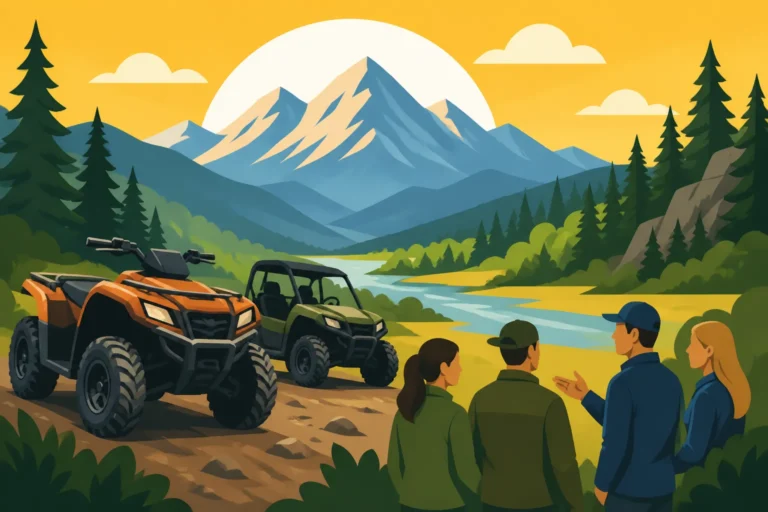
Riding an ATV or UTV in Washington is an incredible experience, and with a little preparation and respect for the rules, you can keep it that way. Being a responsible rider means more than just having the right gear; it means knowing and respecting the landscape and its owners.
Always Seek Permission and Check Resources
The golden rule for avoiding trespass is simple: if you're not absolutely sure you're allowed to be somewhere, don't ride there until you confirm. This might sound overly cautious, but it's the most effective way to prevent legal trouble and maintain positive relationships with landowners.
- Contact Landowners Directly: For private land, the most direct approach is to ask for permission. If you see a trail crossing private property, try to find the landowner and politely inquire. Sometimes, a friendly conversation is all it takes to gain access. Just be prepared for a "no," and respect their decision if that's the answer. Remember our guide on [Asking a Landowner Before You Ride] for tips.
- Utilize Official Maps and Online Resources: Before every ride, consult official maps. DNR, USFS, and BLM all provide maps indicating legal ORV trails and boundaries. Many state forests also have specific recreation maps that highlight motorized vehicle areas. Online resources like the DNR's recreation website or mobile apps can provide real-time updates on closures, conditions, and boundaries. Make it a habit to check [Checking Alerts Before You Load Up] for any last-minute changes. These resources are invaluable for navigating the complex web of public and private land.
- Understand Permitting for Timberlands: If you plan to ride on lands owned by timber companies, investigate whether they offer access permits. Some companies do, often for a fee, and these permits come with strict rules about where and when you can ride. Never assume that a logging road is open to the public without confirmation; many are private and actively used by heavy equipment.
- Invest in GPS and Navigation Tools: A reliable GPS unit or a smartphone with detailed topographic maps can be a lifesaver. Mark known private property boundaries, designated trails, and no-go zones on your device. This proactive approach helps you stay on track, especially in areas with limited signage. Many riders even enhance their machines with durable mounting solutions from companies like SuperATV, ensuring their navigation devices are secure and accessible, even on the roughest terrain. Equipping your machine with durable parts and accessories can certainly improve your trail experience, but remember that even the best SuperATV winch won't pull you out of a legal trespass situation!
Knowing When and Where Roads Are Open
The rules for riding ORVs on roads in Washington can be particularly confusing because they vary by county and city. While some rural counties may open many of their roads to ORVs by default, others require specific ordinances to designate roads for use, and state highways are almost entirely off-limits for through travel.
- Check County and City Ordinances: Before planning a road-based ride, always check with the local county sheriff's office or city hall to understand their specific ordinances regarding ORV use on public roads. Many counties have specific lists of approved roads. We cover this extensively in articles like [Finding a County's Approved Road List] and [Washington Rules for Riding a County Road].
- Understand Road Classifications: Differentiate between forest roads, logging roads, and official county/state roads. Forest roads on public land often allow ORV use, but check for specific restrictions. Logging roads can be private or public, and require careful research. Our guide on [Washington Rules for Riding a Forest Road] and [Washington Rules for Riding a Logging Road] offers more clarity.
- State Highway Crossings: Even if you can ride on certain county roads, crossing a state highway usually comes with very specific rules, often requiring you to stop, look, and cross directly without traveling along the highway.
- Tribal Lands: Washington also has numerous tribal lands, which operate under their own sovereign rules. Never assume you can ride on tribal land without explicit permission from the tribal government. Always check [Washington Rules for Riding a Tribal Road] before venturing near these areas.
By doing your homework and respecting these guidelines, you'll ensure your Washington ATV and UTV adventures are not only thrilling but also fully compliant with the law. This diligent approach helps protect our riding privileges for everyone.
Summary of Key Trespass Rules and Prevention
To help keep everything straight, here’s a quick overview of some essential points to remember when you’re out riding in Washington:
| Type of Land/Area | General Rule for ORVs | Key Prevention Strategy |
|---|---|---|
| DNR Land | Stick to designated ORV trails. | Check DNR recreation maps and alerts before riding. |
| Federal Land | Stick to designated ORV trails. | Consult USFS/BLM maps; may require a Northwest Forest Pass. |
| Private Land | Prohibited without explicit permission. | Always ask landowner; assume private if unmarked. |
| Timberland | Prohibited without permission/permit. | Contact timber company for permits or access rules. |
| Closed Trails/Roads | Always obey closure signs. | Check official alerts for active logging or fire closures. |
| County Roads | Check local county ordinances for approved roads. | Consult county sheriff or website for specific lists. |
| Tribal Land | Prohibited without tribal government permission. | Contact tribal authorities directly for access. |
| Off-Trail Areas | Strictly prohibited on all land types. | Stay on marked trails; a GPS with boundary maps is helpful. |
By keeping these guidelines in mind, you can minimize your risk of trespassing and maximize your enjoyment of Washington's incredible landscapes.
Disclaimer
This article is for general informational purposes only and does not constitute professional advice. Laws, prices and regulations vary by location and change over time. Consult a qualified professional for guidance on your specific situation.