Seat Belts in a Washington Utility Vehicle
It's incredibly frustrating when you're trying to do the right thing, trying to enjoy your utility vehicle responsibly on Washington's roads, and then you get bogged down in the minutiae of the law. You just want to know if you and your passengers are buckled in correctly, and what exactly the state expects from you. This guide will walk you through the often-confusing world of seat belt requirements for utility vehicles when you're riding them on approved roads in Washington, making sure you understand the nuances and can ride with confidence and safety.
Understanding Washington's Seat Belt Requirements for Utility Vehicles
Navigating the rules for riding a utility vehicle (or WATV, as Washington calls them) on public roads can feel like trying to solve a puzzle with half the pieces missing. One minute you're thinking about engine size and tire tread, and the next you're wondering about turn signals and horns. But when it comes to safety on pavement, one piece of that puzzle is unequivocally clear: seat belts. Unlike riding deep in the wilderness where discretion and common sense largely dictate your safety gear, hitting a public road means you're now subject to the same types of regulations as any other motor vehicle. It's a fundamental shift in how your machine is viewed by the law.
The state of Washington takes a pretty straightforward stance on occupant restraint when you're utilizing a utility vehicle on its roads. Essentially, if your machine is designed with seat belts, and you're operating it on a road where it's legally permitted, those seat belts must be used by all occupants. This isn't just a suggestion; it's a legal obligation aimed at minimizing injuries in the event of an accident. It’s easy to get complacent when you’re just running down a gravel road to a trailhead, but even low-speed incidents can have serious consequences if you’re not properly restrained. The spirit of the law here is to protect you and your passengers, just as it would in a car or truck.
Why Seat Belts Are Non-Negotiable on Pavement
Let's be real, out on the trails, especially on those slow, technical sections or through deep mud, you might feel like a seat belt hinders your ability to shift your weight or quickly exit the vehicle if things go sideways. And there’s a genuine conversation to be had about the different safety dynamics of off-road versus on-road riding. But when your wheels hit the asphalt, or even a paved county road, the entire risk profile changes dramatically. You're no longer dealing with soft earth and low speeds exclusively; you're sharing space with cars, trucks, and often higher speeds.
The forces involved in a collision with another vehicle, or even a sudden stop at moderate speeds, are vastly different than a trail tip-over. A seat belt's primary job is to keep you inside the vehicle and distribute impact forces across the strongest parts of your body. Without one, you become a projectile, vulnerable to ejection, striking the vehicle's interior, or worse, hitting the pavement directly. Washington's regulations recognize this heightened risk and adapt the safety requirements accordingly. It's not about making trail riding safer; it's about making road riding safer for everyone involved, including those around you.
This isn't just about protecting yourself from other vehicles. Even if you're alone on a quiet county road, hitting a patch of loose gravel, encountering an unexpected animal, or swerving to avoid a pothole can lead to a loss of control. If you're not strapped in, you could be tossed around inside the cab, potentially losing your grip on the steering wheel or pedals, exacerbating an already dangerous situation. The law is a reflection of the reality that pavement introduces a different set of hazards, and seat belts are a proven, fundamental safety measure to mitigate those specific risks. It's a crucial part of being prepared when you decide to take your machine on public thoroughfares, whether for a quick hop to the store or a longer scenic cruise on an approved route.
Who Needs to Buckle Up in a Washington UTV
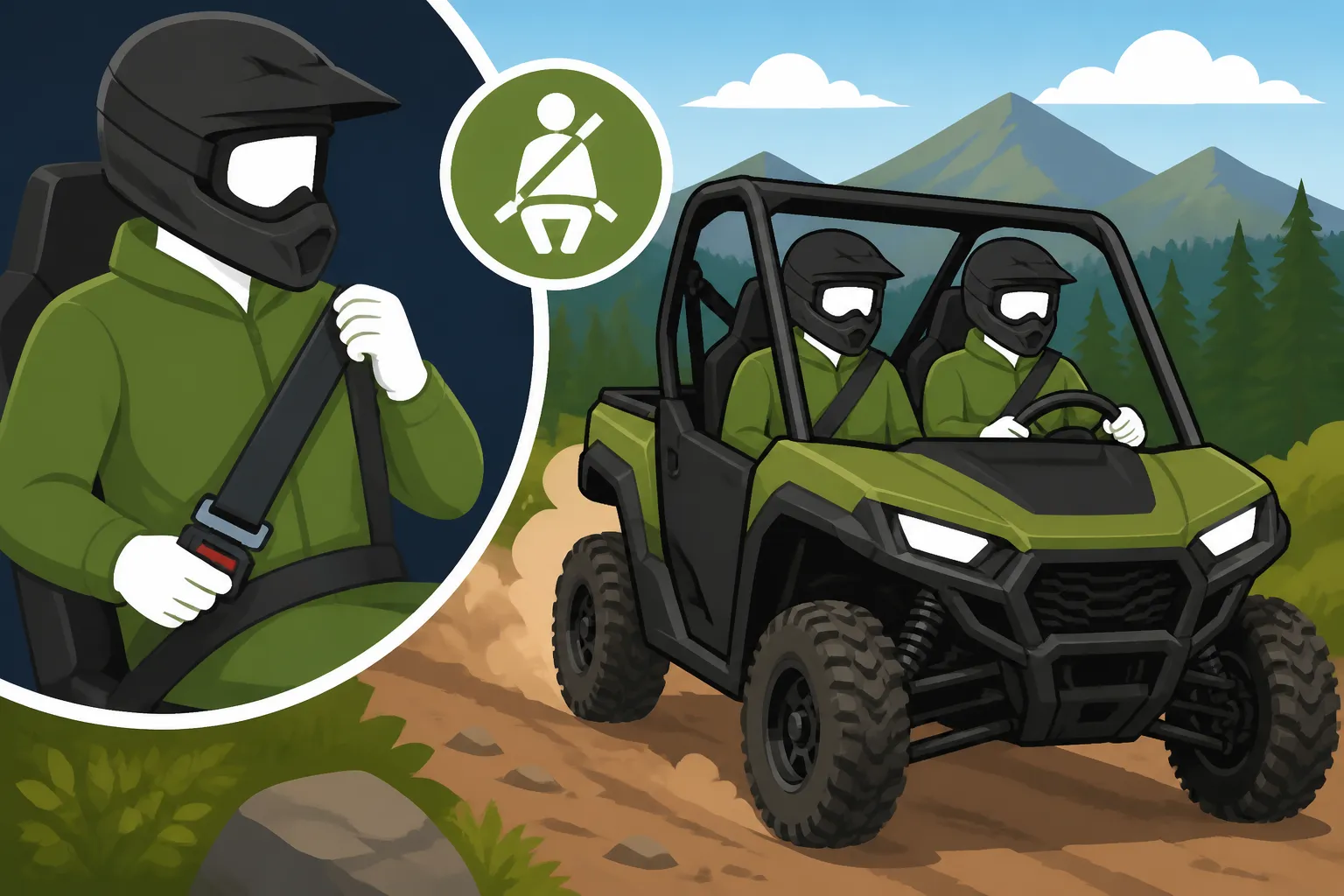
The question of "who" needs to buckle up is pretty straightforward once you understand the basic premise. In Washington, if your utility vehicle is equipped with seat belts, and you're operating it on a public road or highway segment where it's legally allowed, then every occupant for whom a seat belt is provided must be wearing it. This applies to the driver and all passengers, regardless of their age or where they’re sitting within the vehicle. It's not just about the adult driver setting an example; it's a legal requirement for everyone.
This means if your side-by-side has four seats, and each seat is equipped with a seat belt, then all four occupants, if present, must be buckled in. This isn't a situation where the driver is responsible for their belt and passengers are optional. The law is clear that if a restraint system is there, it must be utilized. This uniformity simplifies things, preventing confusion or arguments about who is and isn't required to be strapped in. It ensures a consistent safety standard across all approved road uses for utility vehicles.
When we talk about what constitutes a "utility vehicle" in this context, Washington typically refers to them as Wheeled All-Terrain Vehicles (WATVs), which encompasses side-by-sides (SxS or UTVs), quads (ATVs), and sometimes even dirt bikes with specific modifications, though the seat belt discussion primarily centers on machines with multiple seats and roll cages. If your machine is designed with a roll-over protection structure (ROPS) and integrated seats with seat belts, then you're squarely in the category where these rules apply. Always double-check your vehicle's specific design and the Washington Department of Licensing guidelines, but as a general rule, if it has a steering wheel and bucket seats or bench seats, assume seat belts are required.
The Specifics of Seat Belt Laws on Washington Roads
It's one thing to know that seat belts are generally required, and another to understand the exact context in which those laws apply. Washington's approach to allowing WATVs on certain public roads isn't a blanket "anything goes" policy. It's a carefully structured system that brings these machines into a regulatory framework that mirrors, in many ways, traditional vehicle laws. This means that seat belt compliance isn't just a standalone rule; it's interwoven with the broader tapestry of what makes your WATV "street legal" in the first place.
Many riders, especially those new to road-legal WATV use, might mistakenly believe that as long as they have their off-road tab, they're good to go. But adding the optional on-road tab opens up a whole new set of responsibilities and equipment requirements. It transforms your trail machine into a quasi-street vehicle, and with that transformation comes the expectation of using standard safety equipment like seat belts. It's about recognizing that the vehicle's function, and therefore its safety demands, changes significantly when it moves from the dirt to the pavement.
The Interplay with Washington's "Street Legal" WATV Rules
To truly understand seat belt requirements, you have to look at them as part of the bigger picture of getting your WATV ready for pavement. Washington has a comprehensive set of rules outlining what your machine needs to have, beyond just registration and tabs, to be considered road-ready. This includes things like headlights, taillights, turn signals, mirrors, a horn, and yes, occupant restraint systems where applicable. You can read up on the full list in articles like [Washington WATV Road Requirements]. It’s not just a pick-and-choose menu; it’s a package deal.
If your UTV is street-legal, meaning it meets all the criteria for [What Washington Requires for On-Road ORV Use], then operating it on approved roads inherently comes with the expectation that those safety features, including seat belts, are actively used. Think of it this way: if your car has airbags, you don't get to choose whether or not they're functional. Similarly, if your UTV has seat belts, they're considered a fundamental part of its road-going safety equipment. It's all about ensuring that a machine designed primarily for off-road environments can safely integrate into the established system of public roads.
This integrated approach means that when you apply for that on-road tab, you're essentially making a commitment that your machine meets these standards and will be operated accordingly. It's not enough to simply have the seat belts; they must be in good working order and worn by all occupants. This ensures that the promise of safety, which underpins the allowance of WATVs on certain roads, is actually delivered upon. Skipping the seat belt can not only result in a citation but, more importantly, severely compromise safety should an unexpected event occur while you're sharing the road.
How Enforcement Views Seat Belts (and What to Expect Roadside)
Let's talk about what happens when a Washington State Trooper or a local sheriff's deputy spots you driving your utility vehicle on a public road. Their job, first and foremost, is to ensure public safety and adherence to traffic laws. When it comes to WATVs, they're specifically trained to look for compliance with the unique set of rules that govern these machines on pavement. This includes checking for proper registration, working lights, mirrors, and, absolutely, whether all occupants are properly buckled into their seat belts. You can get a sense of what else they might be looking for by checking out [What a Washington Trooper Checks Roadside].
If an officer observes occupants in a UTV not wearing available seat belts on a public road, it's highly likely to result in a traffic stop. This isn't usually a warning situation; it's a clear violation of state law, similar to not wearing a seat belt in a car. The consequences can include a traffic infraction and a fine for each unbuckled occupant. It's an easy ticket for them to write, and frankly, it's an avoidable one for you. There's no gray area here, no "I was just going a short distance" excuse that will hold up.
Enforcement officers are not looking to ruin your day, but they are looking to prevent serious injuries. From their perspective, a UTV operating on a public road needs to be treated with the same safety expectations as any other vehicle. They understand the different contexts of off-road versus on-road use, and their focus on pavement is squarely on standard traffic safety. So, when you're preparing for a road ride, make buckling up as routine as turning the key. It's a simple act that can save you a fine and, more importantly, could save a life.
Equipping Your UTV with Compliant Seat Belts
So, you're committed to doing things right and ensuring everyone in your UTV is buckled up when hitting Washington's approved roads. But what kind of seat belts are we talking about? Does it have to be factory-installed? Can you upgrade to something more robust? These are excellent questions, especially as many UTV owners customize their machines for various types of riding. Understanding the nuances of compliant seat belts means you can make informed decisions about your safety equipment.
The good news is that for most modern utility vehicles, especially side-by-sides, they come straight from the factory equipped with seat belts, usually a three-point harness system similar to what you'd find in a car. These are generally considered compliant for road use as long as they are in good working order. However, the world of UTVs is ripe for aftermarket modifications, and seat belts are no exception. Whether you're replacing old, worn-out belts or looking for enhanced safety for aggressive off-road driving that also happens to meet road standards, there are options to consider.
Factory Versus Aftermarket Seat Belts: What's Allowed
When your UTV rolls off the dealer's lot, the seat belts installed by the manufacturer are typically designed to meet federal motor vehicle safety standards (FMVSS) for occupant restraint. These are perfectly acceptable for use on Washington's approved roads. They've been tested for strength, durability, and effectiveness, and they're the baseline for compliance. As long as they haven't been modified or damaged, you're generally good to go.
However, many riders choose to upgrade their restraint systems, especially if they engage in more spirited off-road riding or racing. Aftermarket seat belts, like those often found from companies such as SuperATV, can range from direct OEM replacements to more advanced four-point or five-point racing harnesses. When considering aftermarket options for road use, the key is to ensure they are still at least as safe and effective as the factory belts, and ideally, designed with road legality in mind. While racing harnesses offer superior restraint for extreme conditions, some might question their comfort or convenience for casual road use. The primary concern for road legality is that the belt functions as a proper restraint and is in good condition. You're generally not going to get cited for having a "better" seat belt, but you would be for having a non-functional or missing one.
If you're upgrading, make sure the installation is professional and secure. A poorly installed aftermarket belt can be just as dangerous as a worn-out factory one. Ensure all mounting points are reinforced and that the belt fits snugly without excessive slack. The goal isn't just to have a seat belt, but to have one that will effectively protect you and your passengers in an emergency. So, whether you stick with factory or go aftermarket, prioritize quality and proper fitment.
Inspecting and Maintaining Your UTV's Restraint System
Just like any other critical safety component on your utility vehicle, seat belts require regular inspection and maintenance. It's not a "set it and forget it" kind of deal, especially with the demanding environments many UTVs operate in. Dust, mud, water, and sun exposure can all take a toll on the webbing, buckles, and retractors over time. A proactive approach to checking your seat belts can literally be a lifesaver.
Before every ride, especially before hitting any public road, take a moment to perform a quick visual inspection. Look for fraying, tears, or cuts in the webbing – even a small nick can significantly compromise its strength. Check the buckles to make sure they latch securely and release easily when intended. Test the retractors: do they pull the belt back smoothly? Do they lock up under a sharp tug, as they should in an impact? If a belt is getting stuck, not retracting fully, or not locking, it needs attention. SuperATV, for example, offers replacement parts and full seat belt kits if you find yours are beyond repair. Don't procrastinate on replacing compromised belts; they're your primary defense in a collision.
Beyond visual checks, keep your seat belts clean. Mud and grit can get into the retractors and buckles, causing them to malfunction. Use a mild soap and water solution to clean dirty belts, allowing them to fully dry before storing the vehicle or riding again. Avoid harsh chemicals that can degrade the webbing material. And always remember, if a seat belt has been subjected to significant stress from an accident, even if it looks okay, it's generally recommended to replace it. The internal components or webbing may have stretched or been damaged in ways that aren't visible to the naked eye. Your safety, and the safety of your passengers, depends on these small but critical checks.
Common Questions and Misconceptions About UTV Seat Belts in Washington
The world of WATV regulations can feel like a minefield of "what if" scenarios. You're trying to enjoy your machine, maybe even use it for practical purposes, but every turn brings a new question about compliance. Seat belts are a prime example. While the core rule is simple – wear them on the road – the specifics surrounding children, racing, or off-road only use often spark confusion. It’s important to clear up these misconceptions so you can ride confidently and within the bounds of Washington law.
One common area of uncertainty is how these rules apply to the youngest passengers. Many families enjoy UTVs together, and ensuring the safety of children is paramount. Another misconception arises when riders primarily use their UTVs for competitive events or purely off-road adventures, and then wonder if the same rules apply if they briefly touch pavement. Washington's regulations are designed with a specific context in mind, and understanding that context is key to avoiding legal headaches and, more importantly, staying safe.
Seat Belts for Children and Younger Passengers
When children are involved, Washington's road rules typically become even more stringent, and this applies to UTVs on public roads as well. If your utility vehicle is equipped with seat belts, and you're driving it on an approved public road, then any child passenger for whom a seat belt is provided must be properly restrained. This isn't just good practice; it's the law. In many cases, this means children must use the provided seat belt in the UTV, or in some scenarios, they might even require a car seat or booster seat that is securely fastened with the UTV's seat belt system, similar to how they would be in a car. Specifics on [Washington Rules for a Passenger Under 16] are something every family rider should be intimately familiar with.
Beyond the seat belt itself, supervision is also a critical factor for younger riders. While the primary focus here is on the passenger's restraint, remember that Washington has specific age requirements for who can operate a WATV and who needs adult supervision, even off-road. When on public roads, the combination of proper restraint for all passengers, including children, and adherence to driver licensing laws is non-negotiable. Don't assume that because it's a UTV, the rules are more relaxed for kids than in a regular car. The state prioritizes child safety across all vehicle types on its public ways.
It's always recommended to check the specific requirements for child restraints in vehicles, including UTVs, with the Washington State Patrol or Department of Licensing, as these rules can be complex and may depend on the child's age, weight, and height. However, the golden rule remains: if a seat belt is there, use it, and ensure it fits the child properly. If it doesn't, or if the child is too small for the UTV's integrated seat belt, you must utilize an appropriate child restraint system that can be properly secured within the vehicle. Safety starts long before the wheels even turn, especially when little ones are on board.
Seat Belts for Racing, Competition, or Trail-Only Use
This is where a lot of the confusion can stem from. When you're out on a closed course, participating in a race, or tackling some hardcore trails deep in [Capitol State Forest Near Olympia, Washington], the dynamics and risks are entirely different from cruising down a county road. In many off-road situations, riders might opt for specialized harnesses (like the multi-point harnesses often sold by SuperATV for racing applications) or even find situations where a seat belt might momentarily impede their ability to react or escape a rollover on extremely technical terrain.
However, it's crucial to understand that Washington's seat belt laws for UTVs are specifically tied to their road use. If you're solely riding off-road, whether for recreation or competition, these state statutes regarding seat belt use on public roads generally do not apply in the same way. Off-road parks, competition venues, and private lands often have their own rules regarding safety equipment, and those might even mandate more aggressive restraint systems like five-point harnesses. The key distinction is the environment you're in.
The moment your wheels touch a public road segment – even for a quick crossing or a short hop between trails – you transition from an off-road environment to a regulated public roadway. At that point, Washington's road laws kick in, and if your UTV has factory-installed seat belts, they must be worn. So, while you might rock a full racing harness for a competition, if you then drive that same machine down a county road, ensure all occupants are buckled into whatever compliant restraint system is available and properly installed. The law doesn't care if you just came off the gnarliest trail in [Walker Valley ORV in Washington's Skagit County]; on the pavement, the rules change.
The Broader Safety Picture: Beyond Just Seat Belts
While seat belts are a fundamental part of safe and legal UTV operation on Washington roads, they are by no means the only consideration. Think of them as one important piece in a much larger puzzle of responsible riding. Overlooking other essential safety gear and legal requirements could land you in hot water, or worse, in a dangerous situation. Being a truly prepared and lawful WATV rider means taking a holistic view of safety.
It's easy to focus on one aspect of compliance, like making sure your lights work, and then forget about another, like having the right license. But every element works together to create a safe environment for you, your passengers, and everyone else on the road. Washington has thought carefully about how to integrate WATVs into its road system, and their comprehensive rules reflect that. So, let's explore some of these other critical components that round out your road-legal readiness.
Helmets, Driver Licenses, and Other Road-Use Essentials
Alright, you've got your seat belts buckled, which is fantastic. But what about the rest of your personal safety gear, and your legal standing to even be behind the wheel? Washington state laws are quite specific on these points. For starters, helmets are a big deal. While some states might have varying helmet laws for different types of vehicles, Washington's stance on WATVs on public roads is pretty clear: all riders and passengers must wear an approved helmet. This isn't just for kids; it applies to adults too. You can dive deeper into this rule with [Washington Helmet Law for WATV Riders]. It's a non-negotiable piece of safety equipment that protects your most vulnerable asset.
Then there's the question of who can actually drive these machines on public roads. It's not a free-for-all. Washington requires that anyone operating a WATV on a public road or highway segment must possess a valid driver's license. This isn't the place for unlicensed teenagers to learn to drive, no matter how skilled they might be off-road. The assumption is that if you're driving on a public road, you have the same basic understanding of traffic laws and responsible operation as any other licensed driver. For more specifics, check out [Washington Driver License Rules for WATVs]. These two elements – helmets and a valid license – are just as critical as seat belts for legal and safe road use.
Beyond personal gear and licensing, your machine itself needs to be up to snuff. We’ve touched on lights, mirrors, and horns, but remember things like a working spark arrester (a must for both trail and road use to prevent fires), adequate tires for the conditions, and ensuring your machine isn't exceeding Washington's width limits for specific trails or roads. It’s all part of demonstrating that you’re taking road safety seriously, not just haphazardly converting a trail machine.
The Importance of a Road Use Declaration (and Knowing Your Roads)
Before you even think about buckling up and hitting the pavement, there's a foundational step that many riders might overlook: the Road Use Declaration. This document is essential for getting that coveted on-road tab for your WATV in Washington. It's not just paperwork; it's your formal declaration that your machine meets all the necessary requirements to be operated on public roads. Without this, you simply won't get the on-road registration, which means no legal pavement riding, regardless of how many seat belts you have. Understanding [Filling Out the Road Use Declaration] is a crucial first step in the entire process.
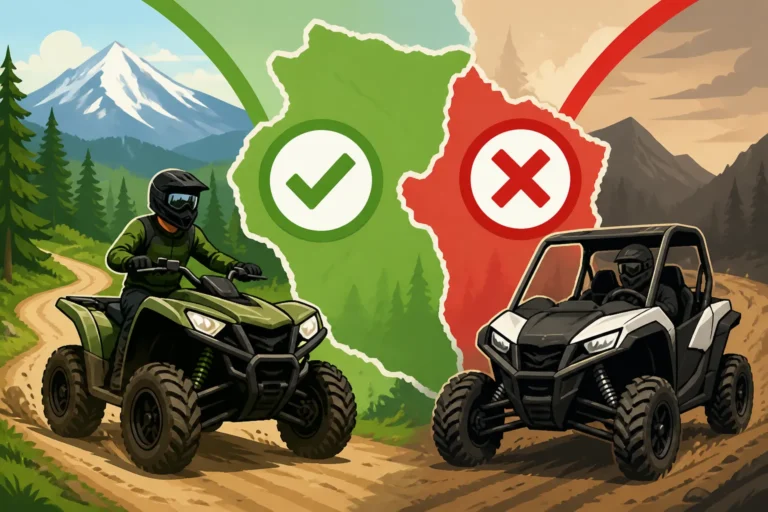
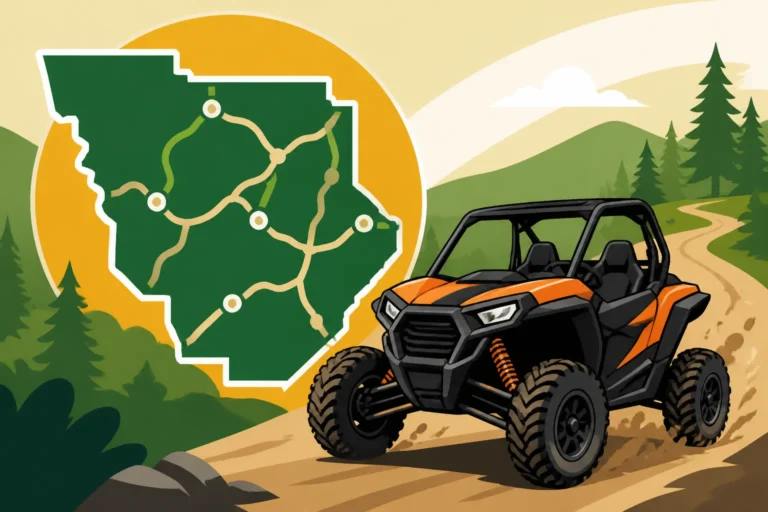
But even with a properly declared and registered WATV, knowing where you can actually ride on the pavement is just as important as knowing how to ride safely. Washington's law allows counties and cities to open certain roads to WATVs, but it’s not every road, everywhere. Counties over 15,000 population must explicitly "opt-in" by passing ordinances to open their roads, and they must publish lists of these approved roads. Smaller counties are generally open by default but still can designate "unsuitable" roads. Riding on a closed road, even if you’re fully belted and helmeted, is still a violation and can lead to fines. So, make sure you do your homework and find out which roads are fair game. [Finding a County's Approved Road List] is an excellent resource for this.
Ultimately, seat belts are a critical safety component, but they fit into a much broader framework of responsibility. From understanding [Washington's 35 mph Road Rule] to knowing the specific local ordinances that open or close particular routes, every piece of knowledge helps you ride legally and, most importantly, safely. Don't let the excitement of road-legal riding overshadow the due diligence required to make it a secure and enjoyable experience for everyone.
Disclaimer
This article is for general informational purposes only and does not constitute professional advice. Laws, prices and regulations vary by location and change over time. Consult a qualified professional for guidance on your specific situation.