Washington ORV Registration at a Subagent
Getting your off-road vehicle (ORV) registered in Washington can sometimes feel like navigating a maze, especially when you're just eager to hit the trails instead of spending hours at a government office. This guide is designed to cut through the confusion and walk you through the convenient process of registering your ORV, whether it's an ATV, UTV, or dirt bike, right at a local subagent office here in Washington state.
Understanding Washington's ORV Registration Landscape
The world of vehicle registration can be a bit opaque, with rules and regulations that vary not just by state, but sometimes even by county. In Washington, ORV registration has its own set of nuances, especially when it comes to where and how you complete the process. Knowing your options can save you a lot of headache and ensure your machine is legal for the trails or roads you plan to ride.
The Role of the Department of Licensing (DOL)
At the heart of all vehicle registration in Washington is the Department of Licensing (DOL). They are the official keepers of records for titles, registrations, and driver licenses across the state. While you could technically send all your paperwork directly to the DOL for processing, it's not always the most practical or fastest route. Imagine mailing off your precious title and then waiting weeks for it to come back, all while your riding buddies are out enjoying the trails. The DOL sets the rules and collects the primary state fees, but they understand that direct, centralized processing isn't always the most efficient for the public. That's where a system of local, authorized agents comes into play, making the process more accessible for everyone.
What is a Subagent?
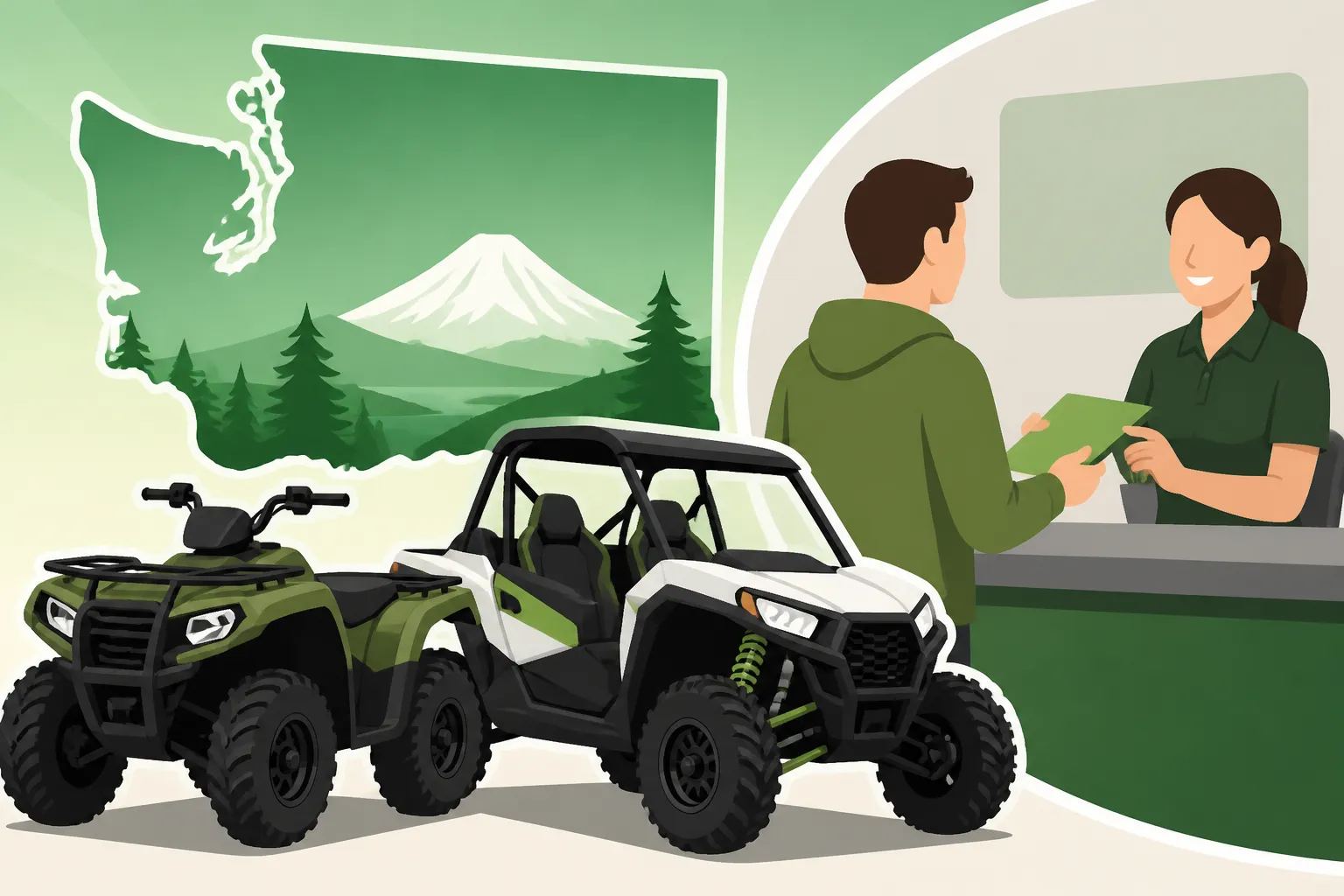
Think of a subagent as a local, privately-owned business that has been authorized by the Washington State Department of Licensing to perform many of the same services you'd find at a main DOL office. These aren't just random businesses; they are specifically licensed and trained to handle vehicle titles and registrations. You'll often find them as standalone "Vehicle Licensing Offices," sometimes co-located with other services like car tab renewals or even within a local grocery store in smaller towns. They act as a convenient middleman, allowing you to complete your transactions in person, often with shorter wait times and more personalized service than a large, central government office might offer. They handle everything from initial registrations to renewals and even issuing replacement decals, acting as your local point of contact for getting your machine legal.
The Benefits and Drawbacks of Using a Subagent
When you're trying to decide the best way to get your ORV registered, weighing the pros and cons of using a subagent can make a big difference. It's about finding the balance between convenience, cost, and the specific services you need. For many Washington riders, a subagent is the clear choice, but it's important to understand why.
Convenience and Accessibility
One of the biggest advantages of using a subagent is sheer convenience. Unlike a limited number of main DOL offices, subagents are typically spread out across communities, making it easier to find one close to home or work. This means less driving, less time off work, and more time for what you actually want to do: ride. Many subagents also offer more flexible hours than government offices, sometimes including evenings or Saturdays. Imagine this scenario: it's Friday afternoon, and you've just picked up your new-to-you side-by-side, eager to take it out to [Capitol State Forest Near Olympia, Washington] for the weekend. You realize your registration is incomplete, but a quick stop at a local subagent on your way out of town means you can get your [Washington ORV Registration Processing Time] handled on the spot, walk out with your new tabs, and be trail-ready by sunset. This immediate gratification and local access are invaluable, especially for those last-minute preparations before an adventure.
Potential Fees and Services Offered
While the convenience of a subagent is a major plus, it's also important to be aware that they typically charge a small service fee on top of the state-mandated registration and titling costs. This fee is how they cover their operational expenses as private businesses. It's usually a nominal amount, often just a few dollars, but it's an extra cost to factor into your [Washington WATV Registration Cost]. However, this fee is often a small price to pay for the time saved and the immediate service received. It's worth noting that most subagents can handle a wide array of ORV-related transactions, including new registrations, renewals, title transfers, and even issuing a [Washington Temporary ORV Permit for a Visitor]. However, for complex issues like a machine with a missing title or unusual circumstances, they might advise you to contact the DOL directly, or at least have all your ducks in a row.
Paperwork Accuracy and Expedited Processing
Let's face it: government paperwork can be confusing. One wrong initial or missed checkbox can lead to your application being rejected, forcing you to start all over again and costing you valuable riding time. This is where a subagent truly shines. The staff at these local offices are experienced in handling these specific forms and can often catch errors on the spot. They can guide you through each section, ensuring everything is filled out correctly before submission. For example, if you're trying to figure out the complexities of the [Washington Road Use Declaration Form] for your new on-road tab, they can walk you through it. This immediate review minimizes the chance of delays. Plus, in many cases, once your transaction is complete, you'll walk out with your registration, decals, and even your new metal tag immediately. There's no waiting for mail, no wondering if your application got lost. For documents like a bill of sale, ensuring it's comprehensive and legally sound is paramount, and while a subagent can review it for completeness, platforms like LawDepot can assist you in creating these initial documents accurately.
Step-by-Step Guide to Registering Your ORV at a Subagent
Registering your ORV at a subagent is typically a straightforward process, but being prepared makes all the difference. Walking in with everything you need not only speeds up your transaction but also reduces the chance of having to make a second trip. Let's break down exactly what you'll need and what to expect.
Gathering Your Required Documents
Before you even step foot in a subagent office, make sure you have all your ducks in a row. The most common cause of delays is missing or incorrect paperwork. You'll generally need:
- Proof of Ownership: This is usually your vehicle's title, properly signed over to you if you bought it used. If you bought it new from a dealer, they'll often handle the title application for you. If the title isn't in your name yet, be prepared to transfer it first. This is a critical step, as the state needs to know who legally owns the machine before they register it to you. For private sales, a clear and comprehensive bill of sale is crucial, detailing the buyer, seller, vehicle VIN, purchase price, and date. Resources like LawDepot can help you generate a robust [A Washington Bill of Sale for a WATV] to ensure you're covered.
- Identification: A valid government-issued photo ID, such as your driver's license.
- Proof of Sales Tax Payment or Use Tax: If you bought the ORV from a dealer in Washington, the sales tax would have been collected at the time of purchase. If you bought it privately or out-of-state, you'll likely need to pay [Washington ATV Use Tax on a Private Sale] at the subagent office. They can calculate this for you based on the purchase price or fair market value.
- Applicable Forms: While the subagent will have the official forms, knowing what to expect is helpful. The most common is the application for title and registration. If you plan to ride on specific county roads, you might also need the [Washington Road Use Declaration Form]. Reviewing the [Washington WATV Registration Paperwork] requirements beforehand will definitely set you up for success.
Having everything neatly organized, perhaps in a folder, will make the process smoother for both you and the subagent.
The Inspection and Road Use Declaration (if applicable)
Not every ORV registration requires a safety inspection, but it's a vital step for those who want the added flexibility of riding on certain county roads. If you're planning to apply for a [Washington's On-Road Tab Explained], your ORV will need to meet specific safety equipment requirements and pass an inspection.
- Safety Inspection: This is required only if you intend to equip your ORV for road use and apply for the on-road tab. The inspection verifies that your machine has necessary features like headlights, taillights, turn signals, mirrors, a horn, and appropriate tires. It’s crucial to understand that not just any mechanic can perform this. The DOL maintains a list of authorized inspectors, and they'll sign off on the required form. There's a cap on how much they can charge for this inspection, generally around the [Washington WATV Safety Inspection Cost] maximum. Without a signed inspection form, you cannot get the on-road tab.
- Road Use Declaration: Even if your ORV passes inspection, you still need to sign a Road Use Declaration. This is a form where you acknowledge that you understand and will abide by Washington's laws regarding ORV use on public roads. It's not just a formality; it's a commitment to responsible riding, ensuring you're aware of speed limits, helmet requirements, and where you can and cannot ride. The subagent will provide this form and have you sign it as part of the on-road tab application process.
If you only plan to ride off-road, perhaps at [Walker Valley ORV in Washington's Skagit County] or [Green Mountain and Tahuya State Forest], then neither an inspection nor the Road Use Declaration is typically necessary for your initial registration. You'll just apply for the [Washington's Off-Road Tab Explained].
Paying Fees and Receiving Your Tabs
Once all your paperwork is in order and any necessary inspections are completed, the final step at the subagent is to pay the required fees. This is where the cost of registration comes into play, and it's important to understand what you're paying for.
- State Fees: These include the base [Washington Off-Road Tab Cost], which funds trail maintenance and access, and if applicable, the [Washington On-Road Tab Cost]. You'll also pay for your [Washington WATV Metal Tag Cost], a durable tag that gets affixed to your machine. These are set by the state and are consistent regardless of where you register.
- Use Tax: As mentioned before, if you purchased your ORV privately or out-of-state, the subagent will collect any applicable use tax on behalf of the state. This ensures everyone pays their fair share, regardless of where or how they bought their machine.
- Subagent Service Fee: This is the additional fee charged by the subagent for their services. It's usually a small, fixed amount that compensates them for processing your transaction. The subagent will inform you of this fee upfront.
- Payment: Most subagents accept various forms of payment, including cash, debit cards, and credit cards, though they may charge an additional processing fee for card payments. It's always a good idea to confirm their accepted payment methods before you go.
Once payment is processed, you'll typically receive your new registration document, your ORV decals (which expire annually), and your metal tag on the spot. This is one of the biggest advantages of using a subagent – you leave with everything you need to legally hit the trails immediately. No waiting for mail, no wondering if it got lost. Just quick, efficient service.
Common Questions and Troubleshooting
Even with a straightforward process, questions can arise, especially when dealing with unique situations or specific circumstances. Being prepared for these common scenarios can prevent frustration and keep you on track to getting your ORV registered.
What If My Title Isn't in My Name Yet?
This is a very common situation, especially when buying a used ORV from a private seller. You might have the physical title, but it still shows the previous owner's name. In Washington, you generally cannot register an ORV until the title is officially in your name. The state wants a clear chain of ownership. So, if you've bought a machine and the title hasn't been transferred to you yet, your first step will be to complete the title transfer at the subagent. This involves presenting the properly signed-over title (making sure the seller completed their portion correctly!) and paying the appropriate title transfer fees and any use tax. Only after the title is successfully transferred into your name can you then proceed with the registration process for your ORV. The subagent can often handle both transactions sequentially for you, but it's crucial that the title transfer is completed first. This highlights [Why Washington Wants a Title First] before proceeding with registration.
Registering a Used Machine or Out-of-State ORV
- Used Machine: When [Buying a Used ATV in Washington], beyond ensuring the title is transferred to your name, you'll need the bill of sale (again, LawDepot can be handy for creating a clear one) and proof of identification. The subagent will calculate any use tax owed based on the purchase price or fair market value, whichever is higher. If the seller didn't properly sign the title or if there are any discrepancies, the subagent can guide you on the next steps, which might involve contacting the previous owner or the DOL directly for clarification. Checking the VIN before purchase can prevent a lot of headaches later.
- Out-of-State ORV: [Registering an Out-of-State Machine in Washington] has its own set of rules. If you're moving to Washington and bringing your ORV with you, you'll generally need your out-of-state title or registration to prove ownership. Washington will then issue you a new Washington title and registration. You'll also be subject to Washington's use tax, which is essentially the state's sales tax applied to items purchased elsewhere and brought into the state for use. The subagent will help you navigate this, ensuring your machine meets Washington's requirements. If your home state has no formal ORV registration, the process might be slightly different, often relying more heavily on a bill of sale and a VIN inspection.
Renewals and Replacements
Life happens, and sometimes things get lost or simply expire. Subagents are perfectly equipped to help with these common situations.
- Renewals: Your Washington ORV registration decals expire annually. You'll typically receive a renewal notice in the mail from the DOL a few weeks before the expiration date. Taking this notice (or simply your current registration) to a subagent allows you to quickly pay your [Washington WATV Registration Renewal] fees and receive your new decals on the spot. This beats mailing it in and waiting for the new ones to arrive, especially if you're planning a ride soon after your expiration date. [When a Washington ORV Registration Expires] is important to keep track of, as riding on expired tabs can lead to fines.
- Replacements: Did a branch snag your decal off your fender? Or perhaps your metal tag is simply too worn to read clearly after years of muddy rides? Subagents can process requests for [Replacing Lost Washington Decals] or a [Washington WATV Metal Tag Replacement]. There's usually a small fee for these replacements, but it's a quick and easy process to ensure your machine remains legally compliant. They can print new decals or order a new metal tag for you, getting you back on track without extensive delays.
These scenarios are precisely why the local presence of subagents is so valuable. They provide immediate, in-person assistance that can save you a lot of time and hassle, getting you back to riding sooner.
| Feature / Service | Registering at a Subagent | Registering by Mail / Online (DOL Direct) |
|---|---|---|
| Convenience / Accessibility | High (local offices, flexible hours) | Moderate (24/7 online, mail can be slow) |
| Immediate Document Receipt | Yes (tabs, decals, metal tag) | No (wait for mail delivery) |
| Paperwork Review Assistance | High (staff can check for errors) | Low (self-review required) |
| Cost (State Fees) | Same as DOL | Same as DOL |
| Additional Service Fees | Yes (small, nominal fee) | No (only state fees) |
| Processing Time | Instant (for most transactions) | Varies (days to weeks, especially by mail) |
| Problem Resolution | In-person help, immediate clarification | Phone/email, can be slower |
| Best For | New registrations, title transfers, immediate needs, questions | Renewals, simple transactions, budget-conscious |
Disclaimer
This article is for general informational purposes only and does not constitute professional advice. Laws, prices and regulations vary by location and change over time. Consult a qualified professional for guidance on your specific situation.