Washington ORV Registration for a Government Machine
It's completely understandable to feel a bit lost when you're dealing with official vehicles, especially something as specific as an Off-Road Vehicle (ORV) or Wheeled All-Terrain Vehicle (WATV) for a government agency here in Washington. You'd think that a state-owned or city-owned machine would operate under entirely different rules, and you're not wrong to assume that. The reality is, navigating the Department of Licensing (DOL) requirements for a public agency can be surprisingly opaque, leaving many officials wondering if they need to title, register, or even pay for tabs on a machine destined for park maintenance, emergency response, or trail patrol. This guide is here to untangle that confusion, walking you through the ins and outs of Washington ORV registration for government machines, ensuring your fleet is compliant and ready for action without unnecessary headaches.
Do Government-Owned ORVs Really Need Registration in Washington?
This is often the first question that pops up when a public agency acquires an ORV or WATV. The answer, like many things involving government regulations, is a nuanced "it depends," but generally, yes, government-owned ORVs typically do need to be registered in Washington State, especially if they're going to be used on public lands or designated ORV trails. While many government vehicles, such as official police cars or fire trucks, display special license plates and are exempt from standard registration fees, ORVs fall into a different category under Washington law.
Think about it from the perspective of trail funding and public safety. The fees collected from ORV registrations, specifically the off-road tab, directly contribute to the maintenance and expansion of our state's incredible trail systems. These are the same trails that a DNR ranger might patrol, or where a SAR team might conduct a rescue. If government machines were entirely exempt from registration, they wouldn't be contributing to the very infrastructure they use, which just doesn't quite add up. So, while the specifics might differ slightly, the spirit of registration — contributing to the system and being identifiable — still applies. You're not just getting a sticker; you're helping maintain the trails for everyone, including your own staff in the course of their duties.
Understanding the Off-Road Tab for Public Use
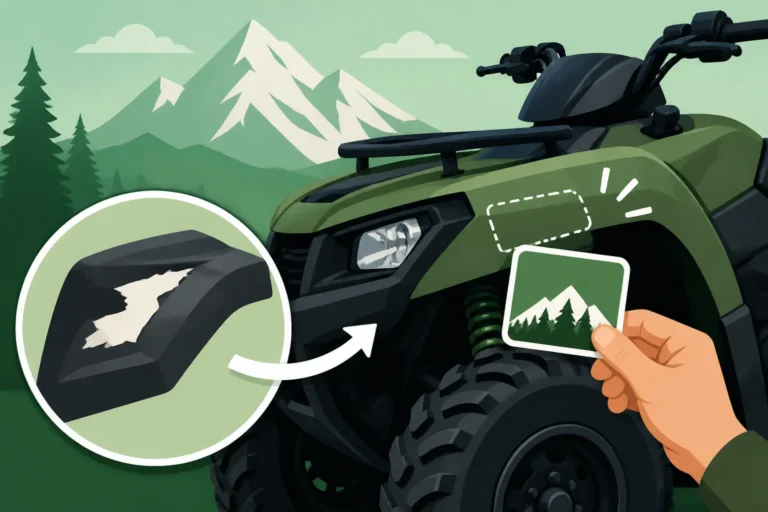
For most government ORVs, the primary requirement will be securing the off-road tab. This is the fundamental registration for any ORV operating on Washington's extensive network of designated non-highway roads and trails. This tab signifies that the machine is legally permitted to be there and that its use contributes to the Nonhighway and Off-Road Vehicle Activities (NOVA) program.
Even if your agency operates entirely within a specific park or jurisdiction, if that land includes designated ORV trails or routes, then the off-road tab is crucial. This is particularly true for entities like State Parks, DNR, or even local municipal parks departments that use ORVs for land management, trash collection, or patrolling. It's about ensuring all machines using these resources are accounted for and contributing. You might find detailed information about what this tab covers in [Washington's Off-Road Tab Explained].
When the On-Road Tab Comes into Play
Now, what if that government ORV needs to cross or operate on public roads, such as a county road or a city street? This is where the on-road tab becomes a vital addition. If your agency's duties require an ORV to regularly traverse paved or gravel public roads – perhaps moving between different sections of a park, responding to an incident that requires road access, or commuting a short distance to a trailhead – then the machine will also need to meet the requirements for on-road use and carry the additional on-road tab.
This is a scenario frequently encountered by law enforcement, fire departments, or public works crews. They might use a UTV to access a remote emergency or inspect infrastructure, and that often involves a mix of off-road and on-road travel. The rules for on-road ORV use are strict and include specific equipment requirements like mirrors, turn signals, and a horn, in addition to carrying a valid driver's license. Before assuming a government ORV is exempt from these requirements, it's always best to check with the DOL or your agency's legal counsel. The goal is safety and compliance for everyone on the road.
The Specifics of Registering a Public Agency's ORV in Washington
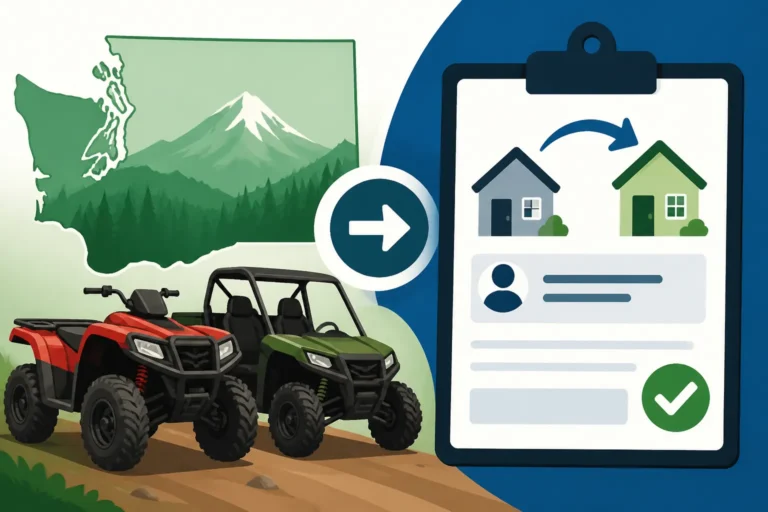
Registering a government-owned ORV generally follows a similar process to a privately owned machine, but with some key differences in paperwork and potentially fees. The Department of Licensing (DOL) is still the central authority, and the fundamental steps of titling and then registering are paramount. The biggest distinctions often lie in how ownership is proven and who signs off on the documentation.
First and foremost, the machine needs a title in the name of the government entity. This means the City of [Your City Name], the County of [Your County Name], or the Washington State Department of [Your Department] should be listed as the legal owner. This might seem obvious, but sometimes agencies operate under informal arrangements, and formal titling is a critical step for government machines, just as it is for individuals. You can learn more about this general requirement in [Titling a WATV in Washington].
Required Paperwork and Proof of Ownership
When a government agency registers an ORV, you'll typically need to submit the following:
- Original Title or Manufacturer's Statement of Origin (MSO): If it's a brand new machine, the MSO will be in the agency's name. For a used machine, the title must be legally transferred to the government entity.
- Application for Certificate of Ownership and Registration: This is the standard form used by everyone. The agency's name and address will be listed as the owner.
- Road Use Declaration (if applicable): If you plan to add the on-road tab, this form is required, affirming that the vehicle meets the necessary equipment standards for road use.
- Safety Inspection Certificate (if applicable): For any WATV seeking an on-road tab, a Washington-certified safety inspection is mandatory. Even for government agencies, the machine must pass this inspection.
- Proof of Authorized Signature: This is where it often differs from private registration. The person signing the registration paperwork must have the authority to do so on behalf of the government agency. This usually involves a letter of authorization on official letterhead, or the signer's position being clearly indicated on the form, demonstrating their legal capacity to bind the agency. Sometimes, an official seal or stamp might be required.
For internal record-keeping and ensuring a clear chain of custody, having robust documentation is key. Services like LawDepot can be incredibly useful for drafting internal agreements, purchase orders, or even specialized bills of sale if the government agency is acquiring a used machine from another entity, ensuring all legal bases are covered and the paperwork is pristine before submitting to the DOL.
Where and How to Register
Government agencies can register their ORVs at any authorized vehicle licensing office in Washington State. These are the same offices where citizens go to renew their car tabs or register their personal ORVs. While you might expect a special government desk, it's typically processed through the regular channels.
It's highly advisable to call ahead and explain you're registering an ORV for a government entity. This allows the licensing agent to be prepared for any nuances in documentation or fee structures. Having all your paperwork in order, including proof of the signing individual's authority, will make the process much smoother. Remember, just like any other registration, timeliness matters. Washington has a [Washington's Fifteen-Day Registration Deadline] for new purchases, and while government entities might have some leeway in certain areas, it’s best practice to complete the registration promptly.
Unique Considerations and Exemptions for Government ORV Use
While government ORVs generally follow the registration framework, there are specific situations and exemptions that can apply, primarily concerning fees and certain use cases. It’s important for agency personnel responsible for fleet management to understand these nuances to ensure full compliance without incurring unnecessary costs.
The most common area where government machines differ is regarding fees. Often, state or municipal agencies are exempt from certain taxes or fees that a private citizen would pay. This might include the vehicle excise tax or even the base registration fee itself. However, the operational fees, specifically those designated for trail maintenance (like the off-road tab portion), are often still required because these are user fees rather than taxes. It's about contributing to the specific service or infrastructure being used. Always confirm the exact fee structure with the DOL when registering, as it can vary depending on the type of agency and the machine's intended use. You might think it's all just 'government money' moving around, but specific funds are earmarked for specific purposes.
Fee Exemptions and How to Confirm Them
Many government agencies in Washington are exempt from sales tax and sometimes even certain portions of the registration fees. For ORVs, this can mean a significant cost saving compared to a private purchase. When registering, be prepared to present documentation proving your agency's tax-exempt status, typically a tax-exempt certificate or official letter from your department.
However, it's crucial to distinguish between tax exemptions and user fees. For example, the core cost of the [Washington Off-Road Tab Cost] might still apply, as this directly funds the trails. The on-road tab, if pursued, might also have a fee component that is not easily exempt. This is where a clear understanding of [Where Washington ORV Fees Go] becomes important. If the fee is directly tied to a benefit or service (like trail access), it's more likely to apply, even to government entities. Always confirm the current exemptions and fee structures directly with the Washington DOL or your agency's accounting department, as these can change.
Special Use Cases and Inter-Agency Agreements
There are instances where government ORVs might be used in a way that falls outside typical recreational or operational use. For example, an ORV might be temporarily transferred between two state agencies for a specific project. In such cases, while a full re-registration might not be required, an internal agreement outlining responsibility and authorized use is critical.
Similarly, if an ORV from an out-of-state government agency is being used for a joint operation or temporary deployment in Washington, reciprocity rules might apply. However, for continuous use, local registration will almost certainly be required. Clear communication and proper documentation, perhaps using standardized legal forms found through resources like LawDepot, can facilitate these inter-agency transfers or use agreements, ensuring all parties are clear on who is responsible for the machine and its compliance.
Managing the Paperwork and Compliance for Government ORV Fleets
Managing a fleet of ORVs for a government agency involves more than just initial registration; it requires ongoing compliance, diligent record-keeping, and a clear understanding of usage rules. Given that government assets are subject to public scrutiny, maintaining impeccable records is not just good practice, it's often a legal requirement.
One of the biggest challenges for larger agencies with multiple ORVs is keeping track of renewal dates, maintenance schedules, and ensuring all machines are properly tabbed. A lapsed registration, even for a government machine, can lead to fines or operational interruptions, which can be particularly problematic for emergency services or critical maintenance teams.
Annual Renewals and Record Keeping
Like privately owned ORVs, government-owned machines require annual registration renewal. The [Washington WATV Registration Renewal] process typically starts around the anniversary of the original registration. It’s vital for fleet managers to set up a robust system for tracking these renewals, perhaps through a calendar system or dedicated fleet management software. Missing a renewal can result in a [Washington Fines for an Unregistered WATV], which is not a good look for a public agency.
Beyond the registration itself, agencies should maintain comprehensive records for each ORV, including:
- Purchase records (MSO, Bill of Sale): Documenting how and when the machine was acquired.
- Title and registration copies: Keeping these easily accessible for audits or roadside checks.
- Safety inspection certificates: For any road-legal machines.
- Maintenance logs: Proof of regular upkeep, crucial for both safety and asset management.
- Usage logs: Documenting who used the machine, for what purpose, and when, especially important for accountability.
Leveraging digital tools for record keeping can significantly streamline this process. For example, scanned copies of original documents can be stored securely, and reminders can be set for renewals. For preparing official agency documents, even templates from services like LawDepot can assist in creating consistent and legally sound records, from vehicle transfer forms between departments to usage agreements for specific projects.
Ensuring Compliance with Usage Rules
Finally, it's not enough to just register the machine; agency personnel must also adhere to all Washington ORV usage rules. This includes regulations regarding:
- Helmet laws: [Washington Helmet Law for WATV Riders] applies to all riders, including those on government duty.
- Age and supervision requirements: For any younger staff or volunteers, rules about minimum age and supervision must be followed.
- Equipment requirements: Especially for road-legal machines.
- Trail etiquette and environmental regulations: Adhering to sound limits, staying on designated trails, and packing out trash.
- Road rules: If operating on public roads, all traffic laws apply, and the machine must meet specific equipment standards.
Regular training for staff who operate ORVs is paramount. This ensures they are not only proficient in operating the machinery but are also fully aware of the legal and environmental responsibilities that come with it. An agency's commitment to compliance sets an example for all ORV users and protects public assets and resources. This comprehensive approach ensures that government ORVs are not just registered, but also operated safely, responsibly, and legally within our beautiful state.
Disclaimer
This article is for general informational purposes only and does not constitute professional advice. Laws, prices and regulations vary by location and change over time. Consult a qualified professional for guidance on your specific situation.