Washington’s Off-Road Vehicle Rules Explained
Navigating the labyrinth of off-road vehicle (ORV) rules in Washington state can feel like trying to read a trail map upside down while riding a bumpy trail. Many riders, eager to hit the vast and beautiful forests or dunes, get bogged down in confusion over what's legal, what's required, and where they can even ride. This guide is designed to cut through that clutter, giving you a clear, comprehensive understanding of Washington's off-road vehicle rules so you can ride confidently and responsibly.
Understanding Washington's Off-Road Vehicle Definition
Before we dive into the nitty-gritty of tabs and trails, it’s absolutely crucial to understand what Washington even considers an "off-road vehicle" or, more specifically, a "wheeled all-terrain vehicle" (WATV). This might sound like splitting hairs, but the definition dictates everything from how you register your machine to where you're allowed to ride it. Misunderstanding this can lead to fines, trail closures, and a whole lot of frustration.
What Exactly is a WATV?
In Washington, the term "WATV" is key, and it covers a broader range of machines than just the traditional ATVs (All-Terrain Vehicles) you might think of. A WATV is generally defined as any motorized vehicle with an unladen weight of 2,500 pounds or less, 50 inches or less in width, having four or more low-pressure tires, and designed for use off-road. This encompasses classic quads, many side-by-sides (though some larger ones might exceed the weight or width limits), and even some off-road motorcycles (dirt bikes) that meet the tire and design criteria. The state made a deliberate choice to use the term WATV to be inclusive of various machine types that might otherwise slip through the cracks of older classifications. You can dive deeper into this specific nomenclature by reading [Why Washington Says WATV and Not ATV].
The practical implication here is that if your machine fits this description, even if you’ve always called it an ATV, UTV, or side-by-side, it’s a WATV in the eyes of Washington law. This classification then triggers a whole set of rules regarding registration, equipment, and where you can legally operate it. It’s not just a label; it’s the foundation of your legal riding experience in the Evergreen State.
The Importance of Classification for Rules
Why does this specific classification matter so much? Because Washington has distinct regulations for different types of vehicles. A WATV has different registration requirements and different rules for road access than, say, a golf cart or a street-legal truck. If your side-by-side is wider than 50 inches or heavier than 2,500 pounds unladen, it might fall into a different category, potentially impacting whether it can access certain trails or if it's eligible for on-road use. This can be a real headache if you've bought a machine assuming it fits one set of rules, only to find out it's subject to another.
Consider a scenario where you've purchased a new utility task vehicle (UTV) that’s advertised as “trail-ready.” You might assume it fits all the Washington trail regulations. However, if that UTV, while designed for off-road, exceeds the 50-inch width limit that many state forests and ORV parks impose, you could find yourself arriving at a trailhead only to be turned away. This is a common frustration, especially for those new to the sport or those upgrading to larger machines. Always check your machine's specifications against Washington's WATV definition and specific trail width restrictions before you buy or plan a trip.
The Ins and Outs of Off-Road Registration and Tabs
Once you've confirmed your machine is indeed a WATV, the next step is getting it properly registered. This isn't just a bureaucratic hurdle; it's how Washington funds the very trails and facilities we all enjoy. Getting your tabs in order is a fundamental part of responsible riding. Skimping on this can lead to serious fines and an abrupt end to your day on the trails.
Why You Need an Off-Road Tab for Trails
Every single WATV operating on public land in Washington, whether it's a state forest, federal land, or an approved ORV park, needs to display a valid off-road tab. This isn't just a suggestion; it's a legal requirement. The off-road tab is typically a small sticker that goes on your machine, usually on the rear fender or a visible location as per Department of Licensing guidelines. This tab signals that you've paid your dues to support the non-highway vehicle program, which directly funds trail maintenance, land acquisitions, and educational programs. Without it, you're essentially freeloading on the system and risking a citation. Find out more about its specific purpose here: [Washington's Off-Road Tab Explained].
Imagine you're planning a weekend trip to Capitol State Forest, excited to explore its extensive trail system. You've loaded up your quad, packed your gear, and are ready to go. You get to the trailhead, unload, and just as you're about to hit the dirt, a ranger pulls up. If you haven't renewed your off-road tab or failed to affix it properly, that ranger can issue a ticket, and your fun weekend could be over before it even begins. It's a simple, yearly renewal, but one that's easily forgotten until you're face-to-face with an enforcement officer. Don't let a small oversight ruin your ride.
Deciphering the Metal Tag
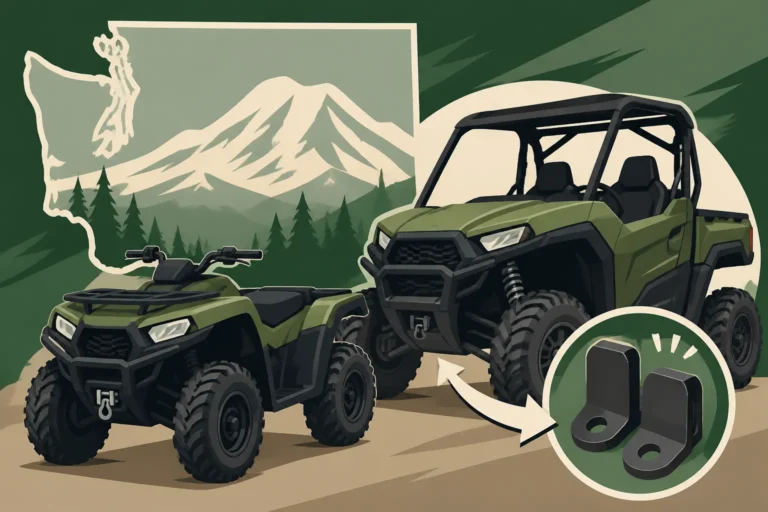
Beyond the yearly off-road tab, your WATV will also need a metal tag, often referred to as an "ORV plate," though it's typically much smaller than a standard vehicle license plate. This metal tag is a more permanent identifier for your machine and is replaced much less frequently than the annual sticker. It also needs to be affixed in a specific location, usually on the rear of the machine, to ensure it's visible. The purpose of this tag is similar to a vehicle's license plate: to provide a unique identifier for your WATV that helps with identification, law enforcement, and tracking in case of theft.
The metal tag is a one-time purchase when you first register your machine, and it's designed to last for several years, usually seven years, before needing replacement due to wear and tear. It’s part of the complete registration package that designates your machine as legally operable off-road in Washington. You can get more details on its specific requirements by checking out [The Washington Metal Tag Explained]. It's not just a piece of metal; it's an integral part of your machine's legal identity in Washington, allowing authorities to quickly identify who owns the machine should it be involved in an incident or found abandoned.
Renewal and Carrying Your Documents
Once your WATV is registered, you'll need to renew your off-road tab annually. This renewal process typically happens on the anniversary of your initial registration. It’s a relatively straightforward process, often completable online, through mail, or at a local licensing agent. Neglecting to renew can lead to your machine being considered unregistered, which carries the same penalties as never having registered it in the first place. This is where keeping track of dates and deadlines becomes crucial for any WATV owner.
Furthermore, when you're out riding, you are legally required to carry your registration documents with you. This doesn't mean leaving them in your tow vehicle; it means having them on your WATV, accessible to show to an enforcement officer if requested. Think about where you'll keep them – a waterproof bag, a secured compartment – to protect them from the elements and ensure they're always there. Many riders use a small, zippered pouch that clips inside a storage box or even tucks into a secure pocket. For more on this, consult [Carrying the Registration in the Machine]. Imagine getting pulled over on a trail by a Department of Natural Resources (DNR) or Forest Service officer. They'll ask for your registration and possibly your driver's license. Fumbling around, unable to produce the correct paperwork, could turn a simple stop into a more complicated and costly situation.
Overview of Washington WATV Registration Components
| Component | Purpose | Frequency | Placement |
|---|---|---|---|
| Title | Establishes ownership | One-time | Kept by owner |
| Off-Road Tab | Annual proof of off-road registration | Yearly | Visible on machine (e.g., rear fender) |
| Metal Tag | Permanent vehicle identification | Every ~7 years | Rear of machine, clearly visible |
| Registration Card | Proof of valid registration to carry on person | Yearly renewal | Carried on person or in machine |
| Road Use Dec | For optional on-road use | Yearly (if opting in) | Kept by owner (not on machine) |
Navigating Public Lands: Where You Can Ride in Washington
Knowing what your machine is and how to register it is only half the battle. The next big question is: where can you actually ride it? Washington boasts incredible natural beauty, from dense forests to rolling dunes, but access isn't universal. Public lands have specific designations and rules, and understanding these is paramount to avoiding trespass and ensuring a good time for everyone.
DNR Land: Forests and Recreation Areas
The Washington State Department of Natural Resources (DNR) manages vast tracts of forest land across the state, many of which are open to ORV use. These areas are often well-maintained, with designated staging areas, marked trails, and sometimes even campgrounds specifically for riders. Examples include popular spots like Capitol State Forest near Olympia, Walker Valley in Skagit County, and Tahuya State Forest on the Olympic Peninsula. When riding on DNR land, you'll typically need a valid off-road tab, and often, a Discover Pass displayed on your tow vehicle (if you're parking in a DNR-managed lot).
It’s crucial to remember that DNR lands are working forests, meaning you might encounter logging operations, fire closures, or temporary trail diversions. Always check the DNR website or call local offices before heading out for the latest conditions and closures. For detailed information on specific rules, see [Washington Rules for Riding DNR Land]. Imagine planning a ride to Reiter Foothills, only to find the main staging area closed for a timber sale or a critical bridge washed out. A quick check online could save you a long, frustrating drive and redirect you to another fantastic riding area, ensuring your day is filled with adventure, not disappointment.
Understanding Federal Lands: National Forests and BLM
Beyond DNR lands, Washington is home to several National Forests and Bureau of Land Management (BLM) areas that also offer ORV opportunities. These federal lands operate under their own set of regulations, though they generally align with state rules regarding registration. Popular examples include sections of the Olympic National Forest, Gifford Pinchot National Forest, and the Okanogan-Wenatchee National Forest. Access to these areas sometimes requires a Northwest Forest Pass or other federal recreation passes, rather than or in addition to a Washington Discover Pass.
The key difference with federal lands often lies in their emphasis on "designated routes." Unlike some state lands where dispersed riding might be permitted in certain areas, federal lands typically require you to stay on specifically marked trails and roads. Going off-trail can lead to significant fines and environmental damage. Always look for posted signs, consult maps available at ranger stations, or use GPS apps that show designated ORV routes. For instance, if you're riding in the Gifford Pinchot National Forest, you might encounter strict rules about staying on marked roads to protect sensitive wildlife habitats. This means no venturing off into unmarked areas, even if they look inviting. Respecting these boundaries ensures continued access for all riders.
Private Lands: What You Need to Know
While public lands offer incredible opportunities, many riders also enjoy access to private property. This could be your own land, a friend's property, or land managed by a timber company or private club. The golden rule for private land is simple: always have explicit permission from the landowner. Riding on private land without permission is trespassing, which can lead to legal action, fines, and even the permanent loss of access for other riders.
If you're riding on private timberland, for example, you might need a specific permit from the timber company. These permits often come with their own set of rules regarding operating hours, fire restrictions, and designated riding zones. Never assume that just because a gate is open, you have permission to enter. It’s always best to get permission in writing, even if it's a simple agreement. LawDepot, for example, offers resources for creating various legal documents, and while you might not need a full legal contract for a casual ride with a friend, understanding the importance of clear agreements, even informal ones, is key. If you are buying a used machine from a neighbor and plan to ride it on their adjacent property, ensuring clear boundaries and permissions is essential.
Essential Equipment and Safety Regulations for Off-Road Use
Riding a WATV is an exhilarating experience, but it also carries inherent risks. Washington state has implemented specific equipment and safety regulations to minimize these risks and ensure rider protection, as well as environmental stewardship. These aren't just suggestions; they're legal mandates designed to keep you, your passengers, and the environment safe.
Spark Arresters and Mufflers: Keeping it Quiet and Safe
One of the most critical equipment requirements for any ORV operating on public lands in Washington is a U.S. Forest Service-approved spark arrester. This device is designed to prevent hot carbon particles (sparks) from escaping your exhaust and potentially igniting dry vegetation, which could lead to devastating wildfires. Given Washington's often dry summers, this is an incredibly important regulation. You can learn more about its specific role in fire prevention by reading [Washington Spark Arrester Requirement]. Every year, wildfires rage across the state, and ensuring your machine isn't a potential ignition source is a responsibility every rider shares.
In addition to spark arresters, your WATV must be equipped with a muffler that is in good working order and prevents excessive noise. Washington has sound limits for ORVs, particularly on public lands, to minimize disturbance to wildlife and other recreationists. Loud machines can be a significant point of contention with hikers, equestrians, and nearby residents. Ensuring your muffler isn't modified to be louder than stock and is free of leaks is not just about compliance; it's about being a respectful and considerate user of shared public spaces. Failing to meet sound requirements can result in fines and contribute to negative perceptions of ORV riders.
Helmets and Protective Gear
Safety gear isn't optional; it's absolutely vital for ORV riding. In Washington, helmets are mandatory for all WATV riders and passengers, regardless of age, whenever the machine is operated on public lands or roads open to ORVs. This isn't just a recommendation; it's a law designed to protect you from serious head injuries in the event of a crash or tip-over. The helmet must be a U.S. Department of Transportation (DOT) approved helmet, meaning it meets specific safety standards. You can get more information on this critical piece of gear in [Washington Helmet Law for WATV Riders].
Beyond helmets, while not always legally mandated, wearing appropriate protective gear such as eye protection (goggles or a face shield), gloves, long pants, a long-sleeved shirt, and sturdy over-the-ankle boots is highly recommended. These items can protect you from branches, rocks, dust, and abrasions in a fall. Think of it as investing in your ability to keep riding. A simple tip-over could result in a scraped arm or twisted ankle if you're not properly geared up, putting an early end to your adventure.
Rules for Young Riders
Washington takes the safety of young riders very seriously. While there isn't a minimum age for operating a WATV on private property (with landowner permission), strict rules apply on public lands. Generally, riders under the age of 16 must be supervised by a licensed adult (18 years or older) and must ride an age-appropriate machine. The adult supervisor must be riding alongside them or in a position to provide direct supervision. These rules are in place to ensure that young riders are not only safe but also learn proper riding techniques and trail etiquette from experienced adults.
Furthermore, there are restrictions on the type and size of machine a minor can operate, often tied to engine displacement and machine width, ensuring the child can safely handle the vehicle. For a full breakdown of these rules, check out [Washington Rules for a Rider Under 16]. It's not enough to just put a helmet on a child; you need to ensure they are on a machine they can control, are adequately supervised, and understand the rules of the trail. This proactive approach helps prevent accidents and fosters a new generation of responsible riders.
Common Pitfalls and How to Avoid Them
Even with the best intentions, it's easy to fall into common traps when navigating ORV rules. Knowing these pitfalls ahead of time can save you from fines, legal trouble, and even losing access to cherished riding areas. Responsible riding goes beyond just following the letter of the law; it's about understanding the spirit of it.
Riding on Unopened Roads and Trails
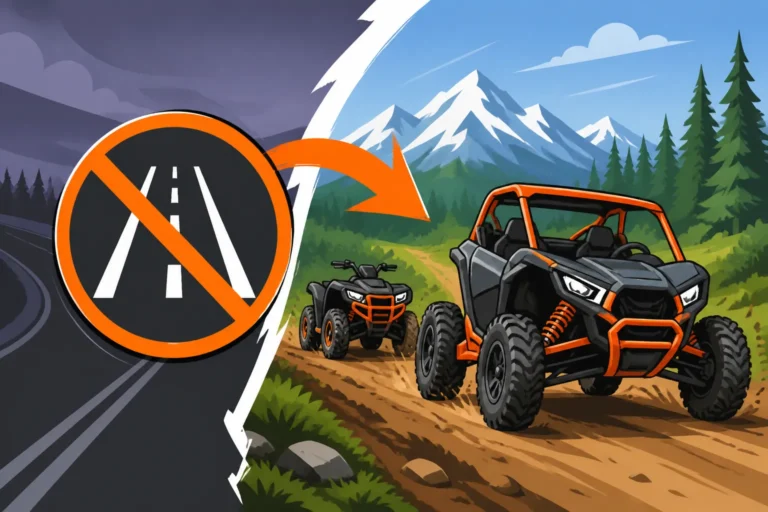
One of the most frequent mistakes riders make is assuming that any road or trail that looks open is fair game. This is often not the case, especially on public lands. Washington has specific laws regarding which roads are open to WATVs, particularly county roads and city streets. Many are closed by default or require specific county or city ordinances to be open. Riding an ORV on a public road that hasn't been officially designated as open to WATVs is illegal and can result in a traffic citation.
This also applies to trails that might be closed seasonally (e.g., for snow, wet conditions, or fire danger), permanently (e.g., for environmental protection or wildlife habitat), or temporarily (e.g., for logging operations). Always check current trail status, read all posted signs at trailheads, and consult official maps. A closed gate or a "no ORV" sign isn't a suggestion to find a way around; it's a legal directive. Imagine you're riding a gravel forest road, and it transitions to a paved county road with a speed limit of 45 mph. If that specific county road hasn't been designated as open for WATVs, continuing your ride could land you a ticket for illegal road use. Always know the status of the road you're on.
Sound Limits and Environmental Responsibility
We touched on sound limits earlier, but it's worth reiterating their importance. Excessive noise from ORVs is a primary source of conflict between riders and other user groups, as well as with residents living near riding areas. Washington has legal limits on how loud your machine can be, and enforcement officers do conduct sound checks, especially at popular staging areas. Failing a sound check can lead to a citation and the requirement to fix your exhaust system.
Beyond noise, environmental responsibility extends to preventing the spread of invasive species, staying on marked trails to prevent erosion, and packing out everything you pack in. Always wash your machine thoroughly before moving between different riding areas to prevent transferring noxious weed seeds. Riding off-trail, especially in wet conditions, can cause significant damage to fragile ecosystems. For detailed information on specific regulations, refer to [Washington Sound Limits on Public Land]. Being a good steward of the land ensures that these beautiful riding areas remain open and healthy for generations to come.
What Happens if You're Caught Without Proper Registration?
Getting caught operating an unregistered WATV, or one without the proper tabs or metal tag, is not a minor infraction. It's akin to driving a car without current license plates and registration. The consequences can include significant fines, and in some cases, your machine could even be impounded. An enforcement officer has the authority to stop your ride immediately, meaning you might have to arrange for your WATV to be hauled out of the riding area. For a better understanding of the penalties, check out [Washington Fines for an Unregistered WATV].
Beyond the immediate financial penalty, repeated infractions could lead to more serious legal consequences. It's a preventable situation by simply staying on top of your annual renewals and ensuring your tabs and metal tag are correctly affixed and clearly visible. Furthermore, if you've recently purchased a used WATV and are unsure of its registration status, you can often use services or state resources for a [Washington ORV Registration Lookup] to ensure it's legally clear before you finalize a deal. If you're buying a used machine from a private seller, ensuring you get a proper bill of sale, perhaps using a template from a service like LawDepot, can help ensure a smooth transfer of ownership and avoid any registration headaches down the line. Don't let a simple oversight turn your passion into a costly headache.
Disclaimer
This article is for general informational purposes only and does not constitute professional advice. Laws, prices and regulations vary by location and change over time. Consult a qualified professional for guidance on your specific situation.