Can You Pass a Temporary Permit to a Friend?
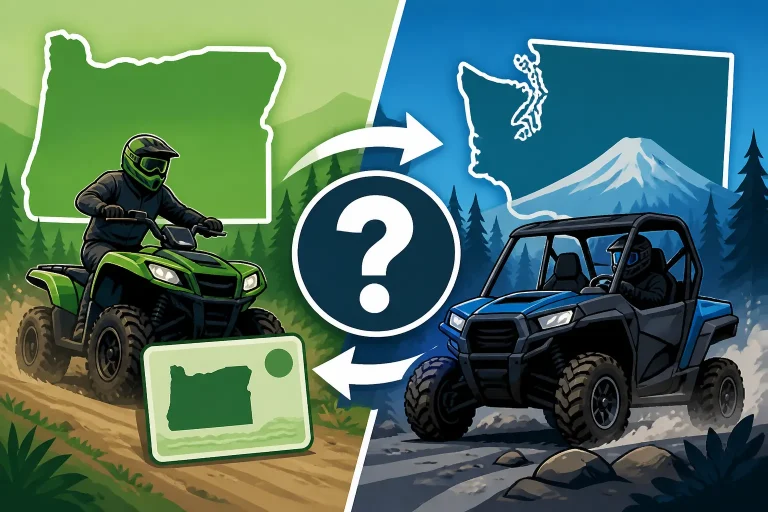
A friend is visiting, the machines are ready, and there’s a Washington temporary ORV permit in hand. Can you pass it along? The key distinction is whether your friend is borrowing the permitted machine or trying to use the permit on a different one. Those situations are not the same, and mixing them up can leave a machine riding without the required authorization.
The permit follows the machine, not the person
A Washington temporary ORV permit is associated with a particular off-road vehicle. It is not a general pass that one rider can carry from machine to machine, and you should not move it to a friend’s ATV or UTV. If the permit was issued for your machine, it does not make a different machine legal to ride.
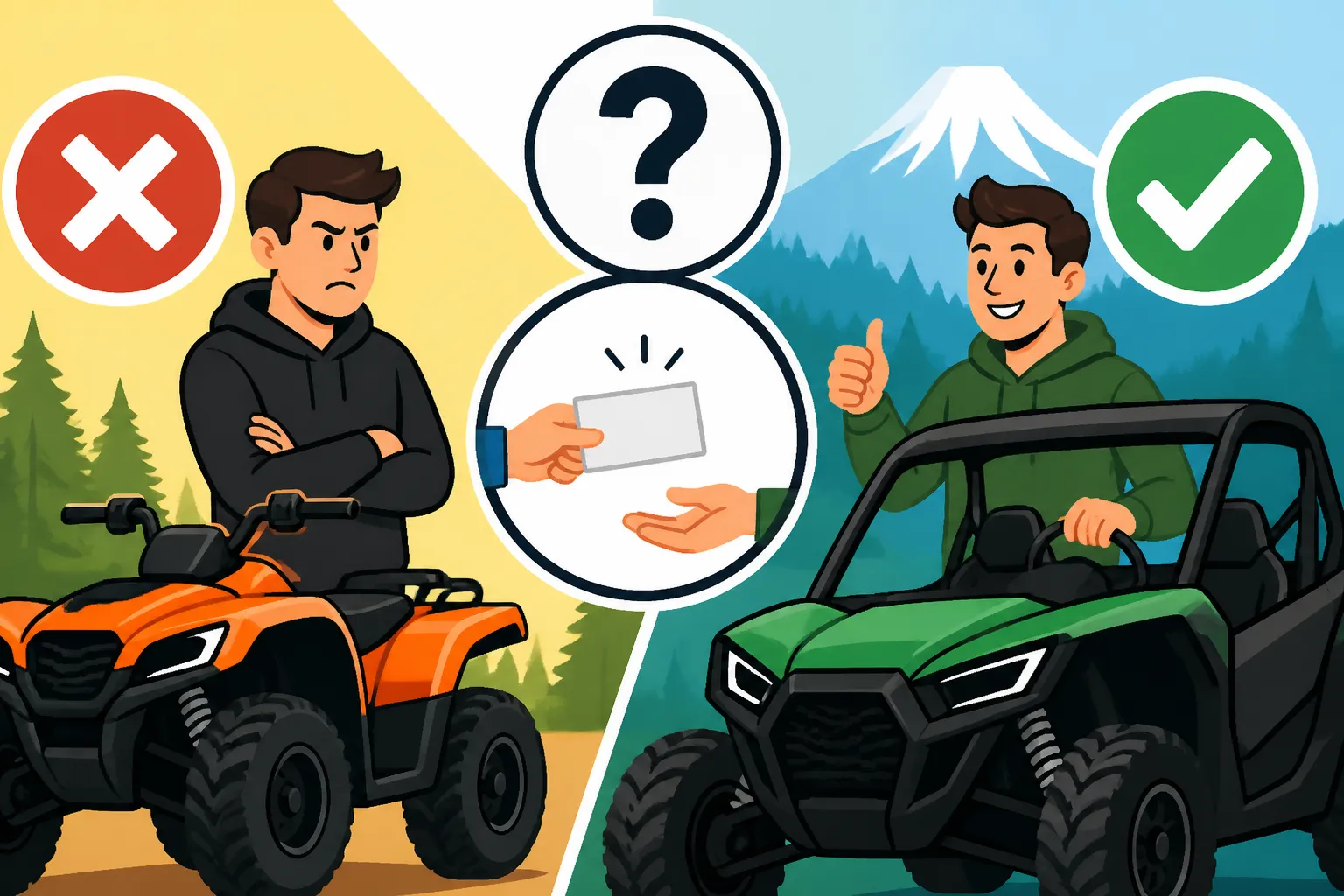
That’s the practical answer to the question in the title: you cannot pass the permit to a friend for use on the friend’s different machine. The vehicle identification and permit details matter. If the permit is removed or displayed on another vehicle, it may no longer match the machine it was issued for.
This is why it helps to think of the permit as part of a machine’s authorization, rather than as a rider’s day pass. The permit’s limited term and eligibility conditions still apply, but changing who is at the controls does not turn it into a transferable permit for another vehicle. For more on the machine-specific nature of the permit, see Why a Temporary Permit Stays With One Machine.
| Situation | What to assume |
|---|---|
| Your friend rides the machine identified on the permit | The permit remains with that machine; confirm the permit’s conditions and your friend’s eligibility to ride |
| Your friend puts the permit on their own machine | Do not do this; the permit does not transfer to another vehicle |
| You sell or give away the permitted machine | Do not assume the permit automatically transfers to the new owner; ask the issuing office what applies |
| The machine has a different registration or permit from another state | Check whether that credential is recognized in Washington before riding |
The distinction between a person and a vehicle can be easy to miss because permits and decals are handled by riders, and the person who applies may keep the paperwork. But the permit’s connection to the identified machine is what matters when deciding whether it can be used on another ATV or UTV.
Temporary permits also have specific eligibility rules. A visitor’s situation may differ from that of a Washington resident, and a machine’s home-state registration can affect what is required. Read Washington Temporary Permit for Nonresidents alongside the permit conditions rather than assuming the temporary permit works for every rider or machine.
Borrowing the permitted machine is a different question
If your friend is borrowing the same machine that the temporary permit identifies, that is not the same as transferring the permit to another machine. The permit remains with the vehicle. Your friend is simply the person operating it.
That distinction does not mean every friend can automatically ride without checking anything else. The permit’s conditions, the machine’s status, the rider’s qualifications, and the rules of the place where you plan to ride can all matter. A permit does not replace age, supervision, equipment, land-access, or trail rules. Nor does it automatically make the machine legal for road use.
Before lending the machine, check these points:
- Is the permit still valid? Confirm its expiration or end date and any restrictions printed with it. Temporary permits have a limited term; don’t rely on an old permit or someone else’s recollection of how long it lasts.
- Does the permit match this exact machine? Check the vehicle information on the permit against the ATV or UTV. A similar make or model is not enough.
- Is the machine eligible for this permit? A permit intended for a qualifying visitor or unregistered vehicle may not fit a different owner’s situation. The fact that your friend is visiting does not make your machine or their machine eligible by itself.
- Can your friend legally operate it? Check applicable age, supervision, helmet, passenger, and equipment rules. For example, the relevant requirements can depend on whether the ride is on a trail or road and on the rider’s age.
- Is the route open to this kind of machine? A permit does not grant access to every road or trail. Land managers and local authorities may have separate restrictions, closures, or access requirements.
If you can’t tell from the permit or its instructions whether another person may operate the same vehicle, ask the office or agent that issued it before handing over the keys. Be specific: say the permit is issued for a particular machine and ask whether a friend may operate that same machine, not whether the permit can be transferred. That wording helps avoid getting an answer about a different situation.
The answer may also depend on what you mean by “friend.” A friend borrowing your vehicle for a ride is different from a friend taking possession of it, registering it, or using it as their own. If ownership has changed, don’t assume that a permit issued under the prior owner’s circumstances remains usable. Ask the licensing office how the permit and registration status should be handled.
Check the machine and the planned ride before lending it
A temporary permit addresses only part of the compliance picture. Before a ride, make sure the permit is attached to the correct vehicle and that the rest of the machine’s riding status makes sense for the planned route. The steps below help separate a permit question from a broader access or registration question.
- Read the permit itself. Look for the vehicle details, validity period, and any use limitations. Keep any associated registration documents with the machine as required.
- Compare the identifying information. Make sure the permit information matches the vehicle you intend to use. If it does not, stop and resolve the mismatch before riding.
- Confirm the rider’s situation. If your friend is a nonresident, check whether the permit rules apply to them and to the machine they will operate. If the friend’s own vehicle has an out-of-state registration, that may be a separate question. Riding Washington With an Out-of-State Registration explains why a home-state credential should not simply be assumed to cover every Washington ride.
- Confirm where the machine will go. A temporary ORV permit is not a substitute for permission to use a road, trail, or private property. Check the site’s current access rules and any required passes.
- Ask the issuer about unclear conditions. Give the office the permit details and ask about the exact machine and rider. Don’t rely on an online summary or a verbal assurance from someone who has not checked the current conditions.
Pay close attention to the difference between off-road riding and pavement. A temporary permit does not, by itself, authorize a machine to travel on public roads. Washington’s road-use rules are separate from off-road permit requirements, and access can depend on the road, local authorization, vehicle equipment, and other conditions. See Why a Temporary Permit Is Trail Only before planning to ride from a campsite or staging area along a road.
Reciprocity is another separate issue. A machine registered or permitted in another state may be treated differently from a machine relying on a Washington temporary permit. Whether Washington recognizes an out-of-state credential depends on the applicable rules and conditions; it is not a blanket promise that any visitor can ride any machine on any route. Washington ORV Reciprocity With Other States is useful if your friend expects their home-state registration or permit to cover the ride.
If the issue is simply that your friend wants to bring a different vehicle, deal with that vehicle’s registration or permit status directly. Don’t try to solve it by moving your permit. Depending on the machine and the rider’s circumstances, the right path could involve an existing home-state credential, a Washington registration, or a qualifying temporary permit. For how a temporary permit is intended to work for visiting riders, see When a Washington Temporary Permit Makes Sense.
What to do if you already passed it along
If you have moved the permit to another machine, take it off that machine and do not ride until the permit status is clear. Put it back with the vehicle it identifies only if it remains valid and its instructions allow that placement. If the permit has been damaged, lost, altered, or separated from its documentation, contact the issuer rather than trying to recreate or modify it.
If your friend has already ridden the other machine with your permit, don’t assume that the machine was covered just because the permit was visible. The sensible next step is to confirm the rules with the issuing office and correct the vehicle’s status before another ride. Keep the permit, registration documents, and machine identification available when you ask; that makes it easier to get an answer about the actual situation.
For future rides, agree on a simple rule before splitting up: the permit stays with the vehicle it identifies. If a friend brings another ATV or UTV, check that machine separately. If the friend borrows your permitted machine, confirm the permit conditions and the rider and route requirements instead of treating the permit as a personal pass.
A quick check can prevent a small misunderstanding from becoming a roadside problem. The core point is straightforward: don’t transfer a Washington temporary ORV permit from one machine to another. Whether a friend may operate the machine it identifies is a separate question, so confirm the conditions and make sure the rider, vehicle, and route are all eligible before setting out.
Disclaimer
This article is for general informational purposes only and does not constitute professional advice. Laws, prices and regulations vary by location and change over time. Consult a qualified professional for guidance on your specific situation.