Keeping a Registration Card Dry on a Wet Ride
There's nothing quite like hitting the trails in Washington, especially when the weather decides to turn those dusty paths into glorious mud bogs. But amidst all the fun of splashing through puddles and tackling slick terrain, there’s one small but mighty piece of paper that absolutely cannot afford to get soggy: your ATV or UTV registration card. A wet, illegible registration can quickly turn a fantastic day out into a roadside headache, potentially leading to fines or frustrating delays with law enforcement. This guide will walk you through the most effective ways to protect your crucial paperwork from Washington's often-unpredictable wet weather, ensuring your ride stays smooth and compliant.
The Critical Importance of a Dry Registration Card in Washington
When you're out exploring Washington's diverse landscapes on your ATV or UTV, whether it's the Capitol State Forest or the trails around Evans Creek, you're required to carry certain documents. Chief among these is your machine's registration card. It's not just a formality; it's proof that your vehicle is legally registered with the state, and that you've paid your dues to help maintain those very trails you're enjoying.
Why Law Enforcement Needs to See It Clearly
Imagine you're pulled over by a Department of Natural Resources (DNR) ranger or a local sheriff's deputy while riding on public land. They'll ask for your driver's license, and inevitably, your machine's registration. If that card is a pulpy, ink-bleeding mess because it got soaked, it becomes impossible for them to verify your information. This isn't just an inconvenience; it can raise suspicion and prolong the encounter. An officer needs to clearly read the registration number, expiration date, and vehicle details. A damaged card can lead to questions, delays, and potentially a citation for not having proper documentation. It's a quick way to turn a routine check into an unnecessary hassle, especially when you're just trying to enjoy the outdoors.
Protecting Your Investment and Avoiding Fines
Beyond the immediate interaction with law enforcement, keeping your registration card pristine is also about protecting your investment and preventing financial penalties. An illegible registration could be treated the same as having no registration at all in the eyes of the law, which can result in a fine. [Washington Fines for an Unregistered WATV] are not something any rider wants to deal with, especially when it could have been easily avoided. Think of your registration card as the gate pass to all your riding adventures in Washington. If that pass is unreadable, you might find yourself denied entry or, worse, on the receiving end of a costly ticket. It's a small piece of paper, but its integrity holds significant weight when you're out on the trails. Ensuring it's always accessible and readable is a simple step that can save you a lot of grief and money down the line.
Proven Methods for Waterproofing Your Registration Documents
Washington weather has a reputation for being, well, wet. From persistent drizzles to sudden downpours, you can never fully trust that a clear sky will stay clear, especially in the mountains or along the coast. Preparing your paperwork for these conditions is essential, and thankfully, there are several reliable ways to create an impenetrable barrier against moisture.
Lamination: The Gold Standard for Permanent Protection
For long-term, fuss-free protection, laminating your registration card is arguably the best solution. You can often get this done at local office supply stores, print shops, or even a local licensing subagent office if they offer the service. Once laminated, your card becomes completely waterproof, tear-resistant, and incredibly durable. It won't smudge, fold, or get crinkled, no matter how many times it gets pulled out in the rain or jostled around in your machine. The clarity of the lamination ensures all text and numbers remain perfectly readable. Just remember, once it's laminated, you can't easily update or make changes to the original card itself, so ensure it's the most current version. This method offers peace of mind, allowing you to focus on the trail ahead, not on keeping your documents dry. It's a small investment for significant protection.
Waterproof Pouches and Bags: Flexible and Accessible Solutions
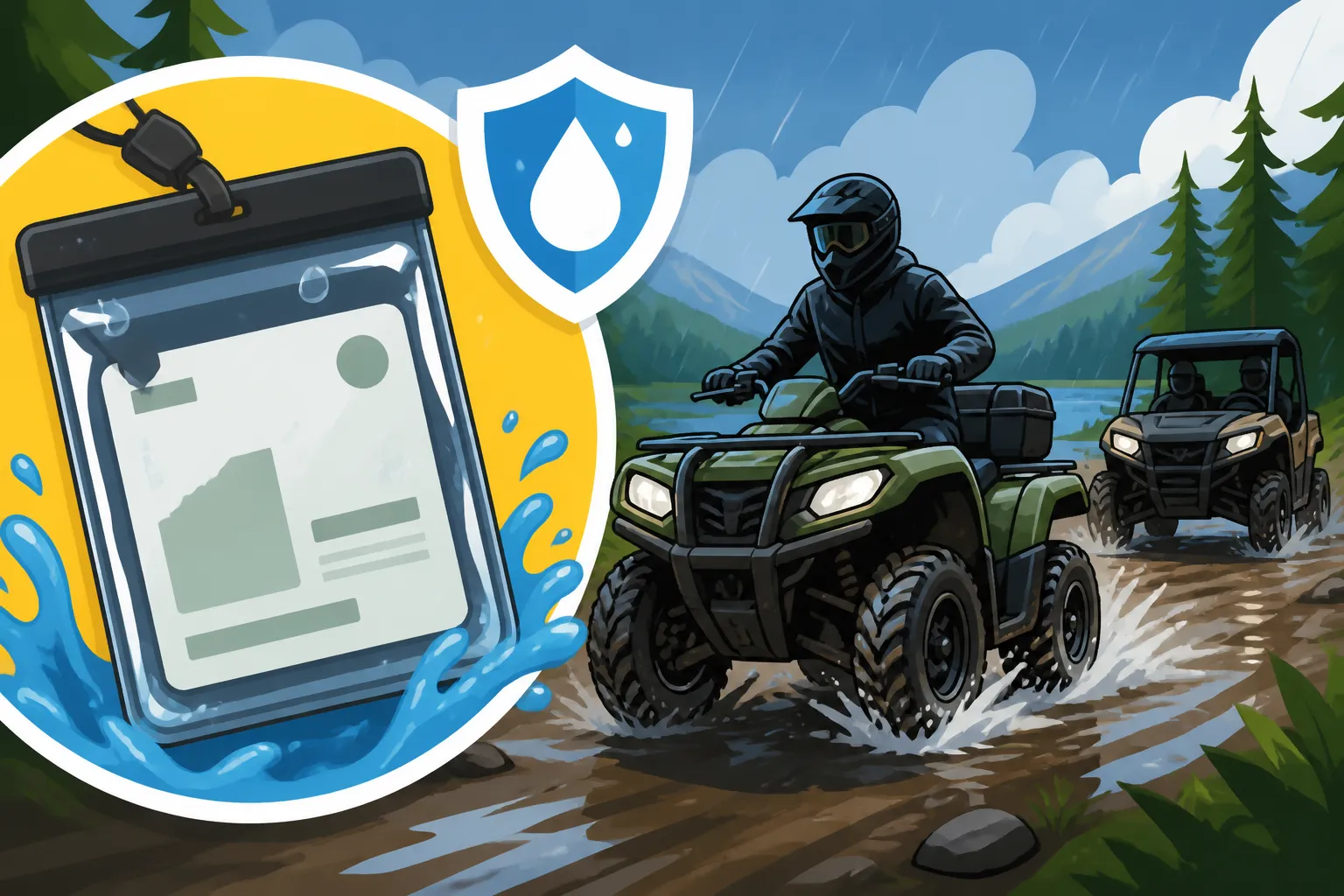
If permanent lamination isn't an option or you prefer a more flexible approach, high-quality waterproof pouches and bags are your next best bet. These come in various sizes and designs, often featuring roll-top closures, zipper seals, or heavy-duty Ziploc-style seals. Look for pouches designed for marine use or outdoor sports, as these are built to withstand extreme moisture. Many outdoor gear brands offer excellent options that are specifically designed to keep documents dry. You can find small, clear pouches that perfectly fit a standard registration card, allowing you to quickly inspect its contents without exposing it to the elements. Some riders even double-bag their registration, placing it in one waterproof pouch and then putting that pouch inside another for maximum security. This method is particularly useful if you carry other documents, like a [Washington Road Use Declaration Form] or [Washington's Temporary ORV Use Permit], that you might need to access periodically or swap out for different machines.
DIY Waterproofing: Practical Tips for Improvised Protection
Sometimes, you might find yourself without a fancy waterproof pouch or a laminated card, but still need to protect your documents. In these situations, a bit of ingenuity can go a long way. Heavy-duty freezer bags or double-layer Ziploc bags can offer a surprising amount of protection, especially if you ensure the seal is completely closed and free of debris. Expel as much air as possible before sealing to reduce bulk. For an extra layer of defense, you can wrap the bagged document in cling film or even a sturdy plastic shopping bag before placing it in another sealed bag. While these improvised methods might not offer the same bulletproof protection as a laminated card or a dedicated marine pouch, they are significantly better than nothing and can prevent total ruination of your paperwork in a sudden downpour. The key is to create multiple barriers against moisture and ensure there are no weak points for water to sneak in.
Smart Storage Solutions on Your Machine
Once you've taken steps to waterproof your registration card, the next crucial step is finding the perfect spot to store it on your ATV or UTV. The goal is easy access for official checks, protection from trail abuse, and of course, continued dryness. A well-chosen storage spot can make all the difference during a roadside stop or when you're simply trying to retrieve your documents in challenging conditions.
Built-in Storage Compartments: Pros and Cons
Many modern ATVs and UTVs come equipped with various storage compartments, often under the seat, in the dash, or within small cubbies. These can seem like ideal spots for your documents, offering some inherent protection from the elements. However, it's vital to assess how waterproof and secure these compartments truly are. Some are surprisingly well-sealed against dust and light splashes, while others are little more than open bins that will quickly fill with water during a serious creek crossing or heavy rain. Before relying on a built-in compartment, test it. Take it for a spin in wet conditions, or even just spray it with a hose, to see if water infiltrates. If it's not truly waterproof, you'll still need to use a robust waterproof pouch for your registration. Also, consider the vibration and jostling; make sure your document won't work its way out or get crushed. Some riders prefer to keep their registration close, perhaps taking advice from [Carrying the Registration in the Machine], suggesting it should be on your person or in a highly secure, easy-to-access spot.
Aftermarket Bags and Boxes: Enhanced Protection and Accessibility
For those machines without adequate built-in storage, or for riders who want superior protection, aftermarket storage solutions are a game-changer. These range from small, handlebar-mounted bags to larger fender bags, cargo boxes, and waterproof dry bags designed for the back rack or cargo bed. When selecting an aftermarket option, prioritize those explicitly labeled as waterproof or water-resistant. Look for durable materials, robust zippers (often with storm flaps), and secure mounting systems that won't come loose on rough trails. A small, dry-bag style pouch that straps to a secure location on your ATV, perhaps within easy reach of the rider, can be perfect. For UTVs, a small, waterproof Pelican-style case or a specialized dry box secured in the cab can offer ultimate protection for your registration and other essentials. The key is to ensure the chosen solution is truly sealed against water and securely fastened to prevent loss while riding. Consider options that offer quick, tool-free access, which can be invaluable during a roadside check.
Personal Carry: On Your Body, Safe and Sound
While storing your registration on the machine is common, some riders opt for carrying it on their person. This can be an excellent strategy, particularly if your machine lacks secure, waterproof storage. Options include placing your waterproof-pouched registration in a zippered pocket of your riding jacket or pants, or even in a small fanny pack or hydration pack. The advantage here is that your documents are always with you, even if you step away from your machine. Your body heat can also help prevent condensation from forming inside the waterproof pouch, which can sometimes happen with documents stored in unvented compartments on the machine. Of course, ensure the pocket or pack you choose is also waterproof or that the internal pouch is robust enough to handle submersion if you take an unexpected spill. The goal is to keep it dry and readily available, which personal carry often achieves very effectively. This method also ensures you're ready to show [Which Paperwork You Must Carry While Riding] at any moment.
Here's a quick comparison of storage options:
| Storage Method | Pros | Cons | Best For |
|---|---|---|---|
| Built-in Compartments | Convenient, often out of the way | Varies widely in waterproofness, not always secure | Light use, dry conditions, or with a robust internal waterproof pouch |
| Aftermarket Bags/Boxes | Excellent waterproofing, secure mounting | Can add bulk, potentially expensive | Frequent wet rides, maximum protection, carrying multiple items |
| Personal Carry (on body) | Always with you, often very dry | Can be bulky in pockets, risk of loss if pack unzipped | Minimalist carry, ensuring documents are always accessible and safe |
What to Do If Your Registration Gets Wet or Damaged
Even with the best precautions, accidents happen. A rogue wave from a creek crossing, an unexpected tip-over in a puddle, or simply forgetting to seal a bag properly can leave your registration card soggy and potentially unreadable. Don't panic; there are steps you can take to mitigate the damage and get a replacement.
Immediate Steps for a Soaked Card
If you discover your registration card has become wet during a ride, the absolute first thing to do is carefully remove it from its wet environment. Do not try to rub it dry or aggressively separate soggy pages, as this can tear the paper and smear the ink, making it even worse. Gently blot it with a clean, dry cloth or paper towel to remove excess surface water. If it's merely damp, you might be able to air dry it flat on a clean surface at room temperature. Avoid direct heat sources like hair dryers or direct sunlight, as intense heat can cause the paper to curl, become brittle, or further warp any plastic coating. For a truly soaked card, place it between layers of clean, absorbent paper (like blotting paper or even coffee filters) under a light weight to help it dry flat and prevent buckling. Change the absorbent paper frequently. The goal is to dry it slowly and gently, hoping to preserve readability. Patience is key here.
Assessing Damage and Ordering a Replacement
Once your card is dry, carefully inspect it for readability. Can all the numbers, dates, and names be clearly seen? Is the barcode intact and scannable? If any crucial information is smudged, illegible, or torn, you'll need to order a replacement. It's not worth risking a citation or a lengthy roadside stop over a compromised document. You can typically request a duplicate registration card through the Washington State Department of Licensing (DOL). This can often be done online, by mail, or in person at a vehicle licensing office or authorized subagent. Be prepared to provide your vehicle information, and there will likely be a small fee associated with issuing a replacement. While waiting for your new card, it's wise to carry any confirmation of your replacement order or a printout of your online registration status if available. This can serve as temporary proof of registration should you be stopped, though it's always best to have the official card. [Replacing Lost Washington Decals] or a registration card is a straightforward process, but it's one you want to initiate quickly if your original becomes unreadable.
Proactive Measures After an Incident
After dealing with a wet or damaged registration, it's an excellent opportunity to review your waterproofing and storage methods. What went wrong? Was the pouch not truly waterproof? Was the storage location prone to water ingress? Did you forget to seal something properly? Learn from the experience. Consider upgrading to a more robust waterproof pouch or investing in lamination if you haven't already. Explore different storage locations on your machine or consider personal carry. Perhaps adding a high-quality, durable document holder from a brand like LawDepot, which offers various legal document templates and organizational tools, could be a good next step for organizing all your critical paperwork, even if they don't sell physical storage. Thinking about how you manage all your important documents can lead to better habits overall. If you routinely ride in extremely wet conditions, having a spare waterproof pouch or even a second laminated copy of your registration (stored separately, perhaps at home or in your tow vehicle) isn't a bad idea. This proactive approach ensures that future wet rides remain fun and frustration-free, and that you're always ready for a check like [What a Washington Trooper Checks Roadside].
Disclaimer
This article is for general informational purposes only and does not constitute professional advice. Laws, prices and regulations vary by location and change over time. Consult a qualified professional for guidance on your specific situation.