Washington WATV VIN Requirements
Trying to register or title your Wheeled All-Terrain Vehicle (WATV) in Washington can feel like a maze, especially when you encounter all those acronyms and specific requirements. One of the most common stumbling blocks, and frankly, a source of anxiety for many riders, comes down to the Vehicle Identification Number, or VIN. If you're scratching your head wondering why this seemingly random string of numbers and letters matters so much, or worse, if you're struggling to locate it on your machine or ensure it matches your paperwork, you're not alone. This comprehensive guide is here to demystify Washington's WATV VIN requirements, helping you navigate the process with confidence and avoid frustrating delays when you head to the Department of Licensing.
What Exactly is a VIN and Why Does Washington Care?
When you’re excited about hitting the trails or getting your side-by-side ready for some approved road use, the last thing you want to think about is bureaucratic numbers. But the Vehicle Identification Number (VIN) is more than just a formality; it’s the bedrock of vehicle identification and safety, and Washington State takes it very seriously for good reason. Understanding what it is and why it's so important can save you a lot of headaches down the road.
The Unique Fingerprint of Your Machine
Think of your WATV's VIN as its unique DNA, a 17-character code that identifies your specific machine from every other vehicle on the planet. This isn't just a random assortment; each character in the VIN holds specific information about your WATV, including its manufacturer, the year it was made, its manufacturing plant, and a unique serial number. It’s like a personalized fingerprint that tells its entire story. Without this distinct identifier, it would be nearly impossible to track a machine's history, prevent theft, or even manage safety recalls efficiently.
I know, it sounds a bit like big brother watching, and for many of us who just want to enjoy the outdoors, it can feel like another layer of red tape. But the truth is, this "fingerprint" is a critical tool for protecting both you and the riding community. It helps ensure that if your beloved quad ever goes missing, there's a clear, universal way to identify it. It also means that if the manufacturer discovers a safety issue with a particular model year, they can trace every affected machine to issue a recall, potentially preventing serious accidents. So while it might seem like a hassle, it truly serves a vital purpose in the grand scheme of things.
Washington's Reliance on the VIN for Registration and Titling
In Washington, the VIN isn't just a suggestion; it's a non-negotiable requirement for practically every official interaction you'll have regarding your WATV. Whether you’re trying to get a new license plate, transfer ownership, or simply renew your annual tabs, the VIN is the primary piece of information the Department of Licensing (DOL) uses to identify your machine. Without a valid and verifiable VIN, you simply cannot complete these transactions.
This is particularly critical when you are [Titling a WATV in Washington] for the first time or going through the annual process of [Registering a WATV in Washington]. The VIN listed on your title application must precisely match the VIN on the machine itself, and it must also align with any previous ownership documents, like a bill of sale. Any discrepancy, even a single digit error, can bring your registration process to a screeching halt. The state uses this number to ensure that the machine you are trying to register is the legal property of the person applying for the title and that it hasn't been reported stolen. It’s their way of keeping everything above board and protecting everyone involved in the transaction.
Where to Find Your WATV's VIN in Washington
So, you understand why the VIN is important, but now comes the practical question: where on earth do you actually find this 17-character code on your specific machine? This can be surprisingly tricky, especially if your WATV has seen its fair share of muddy trails or if you're not entirely sure where to look. Don't worry, you're not alone in hunting for it; it's a common quest for new and experienced riders alike.
Common Locations on ATVs and UTVs
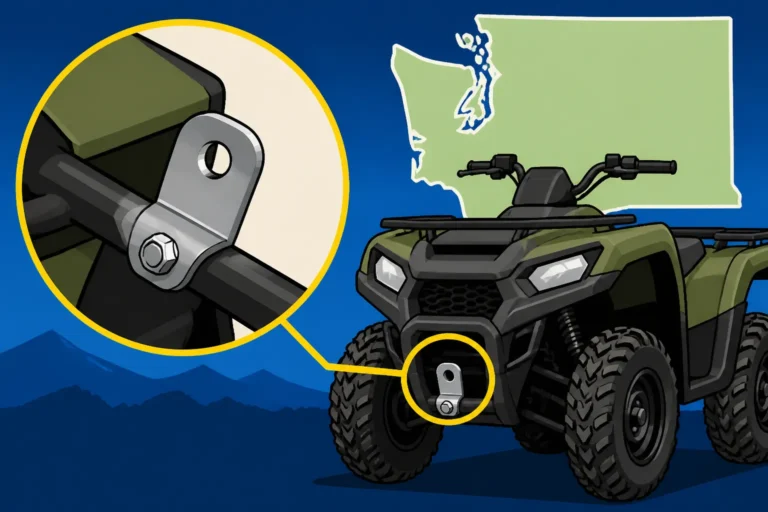
The good news is that manufacturers typically place the VIN in a few standard locations. On most ATVs and UTVs, you'll want to start your search by looking at the frame. Often, it's stamped directly onto the metal, usually on the front left side of the frame near the steering head. Imagine standing at the front of your machine, looking towards the handlebars; you'd often find it on the main frame tube running down the left side.
Another common spot is on the engine casing. Sometimes it’s on a sticker or a small metal plate affixed to the engine itself, or stamped into the engine block. You might need to get down low, or even remove some plastics, to get a clear view. It's a bit like a treasure hunt! If your machine has seen some action, this area might be caked in mud, grime, or even rust. Grab a stiff brush, some degreaser, and a good flashlight. A little elbow grease can often reveal the numbers clearly. Don't be afraid to wipe away the dirt; these stamps are designed to withstand the elements, even if they get a little obscured over time. Remember, if one spot is completely unreadable, keep checking. Many manufacturers will have it in at least two places as a backup.
The Importance of Matching VINs
Finding the VIN is only half the battle; the other, equally critical part, is making absolutely sure that the VIN stamped on your machine perfectly matches the VIN on all your ownership documents. This includes the title, the bill of sale, and any previous registration paperwork. I've seen firsthand the frustration of riders who get all the way to the DOL only to be turned away because of a single digit discrepancy. It's a problem that can lead to significant delays and stress.
Imagine you're [Buying a Used ATV in Washington] from a private seller. You've shaken hands, agreed on a price, and they've handed you a signed [Washington WATV Bill of Sale Requirements]. Before you even consider taking possession or handing over payment, you need to verify that the VIN on that bill of sale is exactly what's on the machine. If there's a mismatch, even a seemingly minor one, it could indicate a serious problem. It might be a simple clerical error from a previous owner, or it could be a red flag for a stolen vehicle or a "chop shop" operation. Protecting yourself starts with this basic, but crucial, verification step. Always cross-reference the numbers carefully; it's a small investment of time that can save you a world of hurt.
Dealing with VIN Issues During Washington Registration
Let's face it, no one wants to hit a snag when trying to do things by the book. But sometimes, despite your best efforts, you might encounter issues with your WATV's VIN when you're trying to get it titled or registered in Washington. These situations can feel incredibly frustrating and even a bit overwhelming, but understanding your options can help you navigate them.
What if the VIN is Unreadable or Missing?
Picture this: you've finally saved up for that dream side-by-side, maybe it's a slightly older model you got a great deal on, but when you go to clean off the frame to find the VIN, it's either completely rusted over, partially obscured, or just plain missing. Panic sets in, right? This is a very real scenario that many riders face, and it's definitely a hurdle, but not usually a dead end. Washington State has procedures in place for these exact situations because they know not every machine arrives with a perfectly pristine VIN.
If your VIN is unreadable or missing, the Washington Department of Licensing (DOL) will typically require a physical inspection of the vehicle. This isn't just a casual glance; it's a detailed [Washington WATV Safety Inspection Cost] process that verifies the vehicle's identity, often checking for a manufacturer's secondary VIN stamping or other identifying marks. The goal is to determine if the vehicle is legitimate and not stolen, and to ensure it hasn't been tampered with. This inspection can be performed by authorized law enforcement personnel or by certain licensed WATV dealers and inspectors. Knowing [Where to Get a Washington WATV Inspection] is key here, as you'll want to find a certified professional who can conduct this thorough check. If, after inspection, the vehicle's identity can be verified but the VIN is still unreadable, the state may issue a new, state-assigned VIN plate. This process ensures that even if your original VIN is compromised, your machine can still be legally identified and registered.
VIN Discrepancies on Paperwork
Another common headache occurs when the VIN on your machine doesn't match the VIN on your title, bill of sale, or other essential [Washington WATV Registration Paperwork]. This kind of discrepancy can be a major red flag for the DOL and will almost certainly prevent you from completing your registration or title transfer. My advice? Tackle this immediately, head-on. Don't try to gloss over it or hope it goes unnoticed; it won't.
The first step is to contact the seller or previous owner as soon as you discover the mismatch. It could be a simple, honest mistake – a typo on a bill of sale, for instance. If you used a professional service or a reliable template from a resource like LawDepot to draft your bill of sale, these errors are less common, but they can still happen. Ask the seller to provide corrected documentation. If the error is on an official title, they might need to go back to their own Department of Licensing to get it corrected. If the seller is uncooperative or unreachable, you've got a much bigger problem on your hands. In that case, you might need to involve law enforcement, as a significant VIN discrepancy could indicate a fraudulent sale or a stolen vehicle. This is why paying close attention when you're completing paperwork and verifying all numbers at the point of sale is so incredibly important; it prevents a much larger headache down the line.
Verifying a VIN Before You Buy: Protecting Yourself
When the excitement of a potential new WATV is in the air, it's easy to get caught up in the thrill and overlook some critical steps. However, making sure you properly verify the VIN before you hand over any money is one of the most important things you can do to protect yourself as a buyer. This pre-purchase due diligence can prevent you from inheriting someone else's problems or, even worse, unknowingly purchasing a stolen machine.
Why a Pre-Purchase VIN Check is Critical
Imagine spending your hard-earned money on a beautiful quad, only to find out when you try to register it that it was reported stolen years ago. Or perhaps it has a salvaged title from a previous accident you knew nothing about. These scenarios are not only devastating financially but can also land you in hot water with the authorities. A pre-purchase VIN check is your best defense against such nightmares. It’s an essential step, especially when you’re [Checking a VIN Before You Pay] for a used machine, whether it's from a private party or even a less reputable dealer.
This small but mighty step provides a crucial layer of transparency and helps you avoid purchasing a vehicle with a hidden past. It's about empowering you with information so you can make an informed decision. You want to ensure that the machine you're about to buy is legitimate, that it truly belongs to the seller, and that it doesn't have any undisclosed issues that could become your problem later on. It’s the ultimate buyer protection and frankly, it’s non-negotiable in today’s market.
How to Perform a VIN Check in Washington
Performing a VIN check is easier than you might think, and there are several resources available. For a basic check, you can often utilize services that scan for stolen vehicles. While I can't recommend specific websites or services, many free online tools allow you to input a VIN and see if it's been reported stolen or has any public records associated with major incidents. This is a great starting point for any private sale.
For a more comprehensive look into a machine's history, some private companies offer detailed vehicle history reports for a fee. These reports can often reveal past accidents, flood damage, salvage titles, previous ownership, and even mileage discrepancies. Think of it as getting a complete medical history for your WATV. Even if the seller seems trustworthy and you're drafting a solid [A Washington Bill of Sale for a WATV] through a platform like LawDepot, it's still prudent to run a VIN check. This added layer of scrutiny helps confirm that everything the seller tells you aligns with the machine's documented history. It’s also wise to check for any outstanding liens on the vehicle; for more on that, you might want to read up on [Washington ATV Lien Check Before Buying]. Taking these proactive steps ensures you're buying a clean machine with no unwelcome surprises lurking in its past.
Here's a quick summary of VIN basics to help you out:
| Aspect | Detail | What to Do If… |
|---|---|---|
| What is it? | 17-character unique identifier for your WATV. | N/A |
| Where to find it? | Stamped on the frame (often near steering head), or engine casing. | Clean off mud/dirt, use a flashlight. Check multiple spots. |
| Why is it important? | Identification, theft prevention, recalls, required for WA DOL. | Ensure it matches all paperwork for [Do You Need a Title for a WATV in Washington?]. |
| Unreadable VIN | Requires a physical inspection by authorized personnel. | Schedule a [Washington WATV Safety Inspection Cost]. |
| Missing VIN | Similar to unreadable; may result in a state-assigned VIN. | See "Unreadable VIN" advice. |
| Discrepancy on paperwork | VIN on title/bill of sale doesn't match the machine. | Contact seller immediately for correction or seek legal advice if issues persist. |
| Pre-purchase check | Verify VIN before buying to avoid stolen machines or hidden history. | Use online tools (stolen vehicle databases) or paid history reports. |
Disclaimer
This article is for general informational purposes only and does not constitute professional advice. Laws, prices and regulations vary by location and change over time. Consult a qualified professional for guidance on your specific situation.