Tabs for a Youth Machine in Washington
It can be incredibly confusing for parents trying to figure out the maze of rules and regulations surrounding off-road vehicles in Washington, especially when that machine is specifically for a younger rider. You want your child to enjoy the thrill of the trails safely and legally, but you're probably wondering if a "youth machine" even needs the same kind of registration as an adult's side-by-side. You're right to ask, because while the spirit of the law applies to all machines, there are definitely nuances when it comes to youth. This guide will walk you through exactly what "tabs" your child's off-road machine needs in Washington, making sure you're fully prepared for countless adventures on the dirt.
Understanding Washington's Approach to Youth Machines and Registration
When you first start looking into getting an ATV or UTV for a younger member of your family, it’s easy to assume that a smaller machine might fall under a different set of rules than a full-sized adult one. Many parents tell me they’ve heard whispers of special exemptions or different registration processes for youth machines. Unfortunately, much of that is wishful thinking or comes from other states with different laws. Washington State has a pretty clear, overarching philosophy: if it’s an off-road vehicle operating on public land, it needs to be recognized by the state. This means understanding that while the rider might be young, the machine still falls under the Washington All-Terrain Vehicle (WATV) designation and its associated registration requirements.
Why "Youth Machine" Isn't Just a Smaller ATV
In Washington, the term "youth machine" isn't a legal category that changes how a vehicle is registered; it's more of a descriptive term for the size and power appropriate for a younger rider. From a regulatory standpoint, the Department of Licensing (DOL) treats these machines much like any other WATV when it comes to fundamental registration. The key difference arises in who can operate them, where they can be ridden, and under what supervision. These are crucial distinctions that often trip up parents. For instance, a 90cc quad designed for a 10-year-old will still require an off-road tab, just like a 1000cc side-by-side. The state is concerned with tracking all off-road vehicles for funding trail systems and ensuring accountability, not just the large ones. This means you can't bypass the registration process simply because the machine is smaller or intended for a child.
What does differ significantly for youth machines are the operational rules. We're talking about helmet laws that apply to all riders, but also specific age limits for certain types of riding, and the requirement for direct adult supervision for minors. These operational rules are where the "youth" aspect truly kicks in, imposing layers of responsibility on the parents or guardians. So, while the registration process for the machine itself is fairly universal, the practicalities of riding it safely and legally with a minor involve a deeper dive into rider regulations, which are entirely separate from the machine's tabs.
The Core Registration Requirement: Tabs for All
Here’s the straightforward truth: virtually any off-road vehicle, regardless of its size or intended rider, needs to be registered with the Washington State Department of Licensing (DOL) if it's going to be ridden on public lands. This includes all the ATVs, dirt bikes, and utility vehicles that parents purchase for their children. The "tabs" we refer to are essentially your proof of registration and the annual decal you affix to the machine, signaling that you've paid your dues and are contributing to the upkeep of the state's incredible trail system. Without these tabs, even a small youth quad ridden on a designated ORV trail is considered unregistered, and that can lead to fines and headaches you definitely want to avoid.
Think of it this way: the state uses the revenue generated from these registrations to fund the trails, staging areas, and maintenance that make Washington such a fantastic place to ride. If every youth machine were exempt, a significant portion of that funding would disappear, impacting the very places your child will be enjoying. So, whether it's a brand-new youth model or a trusty hand-me-down, the process starts with proper registration. This involves getting a title in the adult's name first, then applying for the necessary off-road tab. It’s a foundational step that ensures both compliance and continued access to our beloved riding areas.
Navigating the Tab System for Youth Machines
Once you understand that your child's off-road machine needs to be registered, the next step is to figure out which "tabs" are applicable. Washington's system primarily involves two types of tabs: the off-road tab, which is almost always mandatory for trail use, and the optional on-road tab, which has very specific conditions and limitations, especially when a minor is involved. It’s essential to get this right to ensure your child can ride safely and legally, without you constantly worrying about a citation.
The Off-Road Tab: Your Child's Ticket to the Trails
For virtually every youth machine intended for trail riding, the off-road tab is the absolute minimum requirement. This tab allows your child (under proper supervision, of course) to legally operate their WATV on Washington's extensive network of designated off-road vehicle trails, state forest lands, and other approved public areas. It's the standard registration for any machine used purely for recreation off the pavement. The process for obtaining this tab typically involves proving ownership, usually through a title in the parent's name, and then paying the required fees.
When you pay for the off-road tab, you're not just getting a sticker; you're contributing directly to the future of off-road riding in Washington. The funds generated from these tabs go into accounts specifically designated for the acquisition, maintenance, and operation of nonhighway vehicle recreation facilities. This means every tab purchased helps keep those trails cleared, bridges repaired, and staging areas accessible for all riders, including the youngest ones. You can find more details about the financial aspect in articles like [Washington Off-Road Tab Cost] and [Where Washington ORV Fees Go]. Without this fundamental tab, your child's machine cannot legally access these public spaces, making it impossible to enjoy the very trails it was designed for.
The Optional On-Road Tab: When Does a Youth Machine Need It?
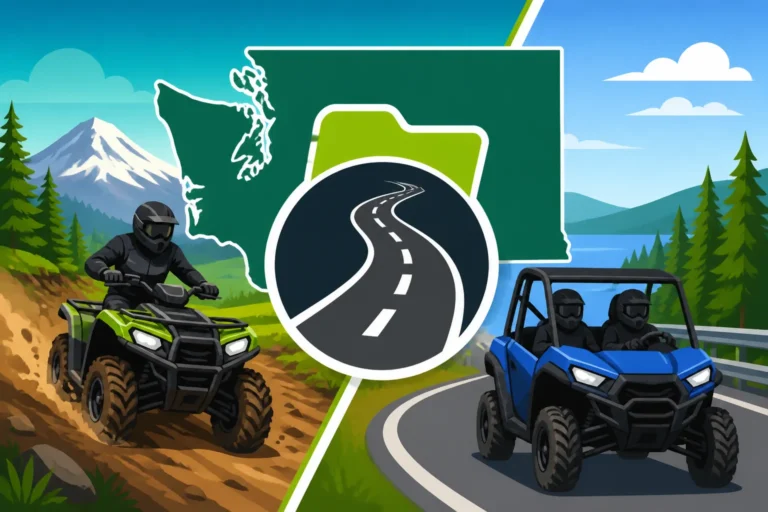
Now, this is where things get a bit more complex, especially for youth machines. Washington State offers an optional on-road tab, which, when combined with other specific equipment requirements, can make a WATV "street legal" for use on certain public roads. The intent behind this tab is to allow adult riders to connect trails, access services, or navigate specific county roads. However, for a youth machine, the utility of this tab is severely limited, primarily due to strict age and licensing requirements for operating a vehicle on public roads.
Even if you equip a youth machine with all the necessary road-legal accessories – turn signals, mirrors, horn, etc. – a minor cannot legally operate it on a public road in Washington if they do not possess a valid driver's license. Washington law explicitly states that a person must have a valid driver's license to operate a WATV on public roads. This means that a 12-year-old or even a 15-year-old, regardless of how skilled a rider they are, will not be able to use a machine with an on-road tab on paved roads. For a deep dive into the costs, see [Washington On-Road Tab Cost], but also ensure you understand the legal age limits outlined in resources like [Washington Minimum Age to Ride a Road] and [Washington Driver License Rules for WATVs]. In most practical scenarios, therefore, the on-road tab for a youth machine is an unnecessary expense, as the young rider will almost exclusively be on off-road trails where only the off-road tab is required. Parents should carefully consider these restrictions before investing in this additional tab.
Titling Before Tabbing: The Parent's First Step
Before you can even think about getting tabs for your child's machine, the absolute first hurdle you need to clear is having the vehicle properly titled in your name, the adult's name. This is a non-negotiable step in Washington State's registration process. Whether you're buying a brand-new quad from a dealership or picking up a used dirt bike from a private seller, the vehicle needs a clear title that officially designates you as the owner. The Department of Licensing won't issue registration tabs to a machine that isn't properly titled. Many parents overlook this, assuming that a bill of sale might be enough, but Washington is very particular about establishing ownership first.
The process of titling can vary slightly depending on whether the machine is new or used. For new machines, the dealership will typically handle much of the initial paperwork. For used machines, it’s entirely on you to ensure the seller provides a signed-over title, or if no title exists (which is a red flag you should investigate thoroughly), you might have a much longer road ahead. This is why resources like [Why Washington Wants a Title First] are so crucial. When dealing with private sales, especially for youth machines where the focus might be on the child's excitement, it’s easy to let details slide. This is where a robust and legally sound bill of sale can be incredibly helpful. Platforms like LawDepot can assist you in creating a comprehensive bill of sale that not only establishes the terms of the sale but also captures critical information like the VIN, protecting you in the long run. Having a clear title not only allows you to register the machine but also protects your investment and proves legitimate ownership, which is paramount in case of theft or future resale. For specific requirements, consult [Washington WATV Title Requirements].
Important Considerations for Parents and Guardians of Young Riders
Beyond the technicalities of tabs and titles, there are several critical considerations for parents and guardians of young riders in Washington. Your responsibility extends far beyond simply getting the right sticker on the fender. It encompasses safety, legal compliance, and practical steps to ensure every outing is enjoyable and worry-free.
Supervision and Safety Certificates: More Than Just Tabs
While tabs get your child's machine recognized by the state for trail access, actual operation of that machine by a minor comes with its own set of rules. Washington State has specific supervision requirements for riders under the age of 16. This isn't just a suggestion; it's a legal mandate. Generally, a rider under 16 must be under the direct supervision of a licensed adult who is also operating an ORV. This means you can't just drop your child off at the trailhead and expect them to be fine; you need to be riding with them and actively supervising. Understanding these rules is vital to avoid potential citations and, more importantly, to ensure your child's safety. For precise details on what "direct supervision" entails, refer to resources like [Washington's Supervision Rule for Riders Under 16] and [Washington Minimum Age to Ride Public Land].
While Washington doesn't have a mandatory ORV safety certificate requirement for all riders, it is highly, highly recommended for youth. Taking a recognized safety course provides invaluable knowledge about safe riding practices, trail etiquette, and basic machine operation. It instills good habits early on, which can prevent accidents and ensure your child is prepared for various trail conditions. Even if not legally required, the peace of mind that comes from knowing your child has received formal training is priceless. When you are entrusting a powerful machine to a young person, even a small one, a safety course is an investment in their future well-being on the trails. In scenarios where you might allow other minors to ride your child's machine, or participate in organized youth events, having a clear understanding of liability is key. Tools from platforms like LawDepot can help create formal liability waivers if you're ever in a situation where you need to clarify responsibility, especially when sharing machines or supervising multiple children.
What Paperwork to Carry: On and Off the Trail
So, you've got the title, the off-road tab is affixed, and your child is ready to hit the trails. What else do you need to have with you? It's not just about the sticker; it's about being able to prove everything is legal if a park ranger or law enforcement officer stops you. You should always carry the machine's current registration card, which is the paper document that accompanies the annual tab. This card proves that the tab is valid and belongs to that specific machine. While you don't need to carry the original title (it's too valuable to risk losing on the trail), having a copy of it or at least keeping it somewhere secure but accessible can be a good idea for any unexpected situations.
For parents, it's also important to have your own identification and, if applicable, your driver's license, especially since you will likely be supervising. Given Washington's often damp weather, keeping all this essential paperwork dry is a real challenge. Many riders invest in waterproof pouches or small, sealed containers that can be stowed securely on the machine or in a backpack. You don't want soggy, unreadable documents if you get stopped. Ensuring easy access to these documents, even with gloves on, is also a practical consideration. Think about quick roadside checks – having everything neatly organized means less fumbling and a smoother interaction. For more tips on this, check out [Carrying the Registration in the Machine].
Buying and Selling: Protecting Your Investment and Your Child's Ride
The journey with a youth machine often begins with a purchase and may end with a sale as your child outgrows it or moves on to a different hobby. Both phases require careful attention to detail, particularly regarding documentation, to protect your investment and ensure a smooth transfer of ownership. When buying a used youth machine, always, always, always verify the Vehicle Identification Number (VIN) on the machine matches the VIN on the title. A mismatch or a missing VIN is a major red flag that could indicate a stolen vehicle or a machine with ownership disputes. Getting a machine with a clear title is paramount; don't be swayed by a low price if the paperwork isn't in order. This attention to detail is crucial when purchasing, as outlined in articles like [Buying a Used ATV in Washington].
When it comes time to sell your child's outgrown machine, the same level of diligence is required from your end. You'll need to sign over the title to the new owner. Additionally, providing a clear, comprehensive bill of sale is not just good practice, it's a vital legal safeguard for both parties. This document records the sale price, date, VIN, and confirms the "as-is" condition of the sale, preventing misunderstandings down the line. For this, tools like LawDepot are incredibly useful, allowing you to generate a professional bill of sale that includes all necessary legal language, making the transaction transparent and legitimate. A well-documented sale protects you from any liability once the machine is out of your hands and ensures the new owner has all the necessary paperwork to transfer ownership and register it themselves. A quick read of [A Washington Bill of Sale for a WATV] can give you further guidance.
| Tab Type | Purpose | Mandatory for Youth Machine Trail Use? | Primary Adult Role |
|---|---|---|---|
| Off-Road Tab | Legal access to Washington's ORV trails | Yes | Secure title, apply for tab, ensure supervision. |
| On-Road Tab | Legal access to approved public roads | No (Highly Restricted) | Only if adult plans to operate on roads; youth cannot. |
| Title (not a tab) | Establishes legal ownership of the machine | Yes (Prerequisite for tabs) | Must be in adult's name before any tabs can be issued. |
Navigating the world of youth machine registration in Washington might seem like a lot of hoops to jump through, but each step is there for a reason, primarily for safety and to fund the very trails we all love to ride. By ensuring your child's machine is properly titled and equipped with the essential off-road tab, you're not just complying with the law; you're actively contributing to a vibrant and safe off-road community for generations to come. Happy riding!
Disclaimer
This article is for general informational purposes only and does not constitute professional advice. Laws, prices and regulations vary by location and change over time. Consult a qualified professional for guidance on your specific situation.