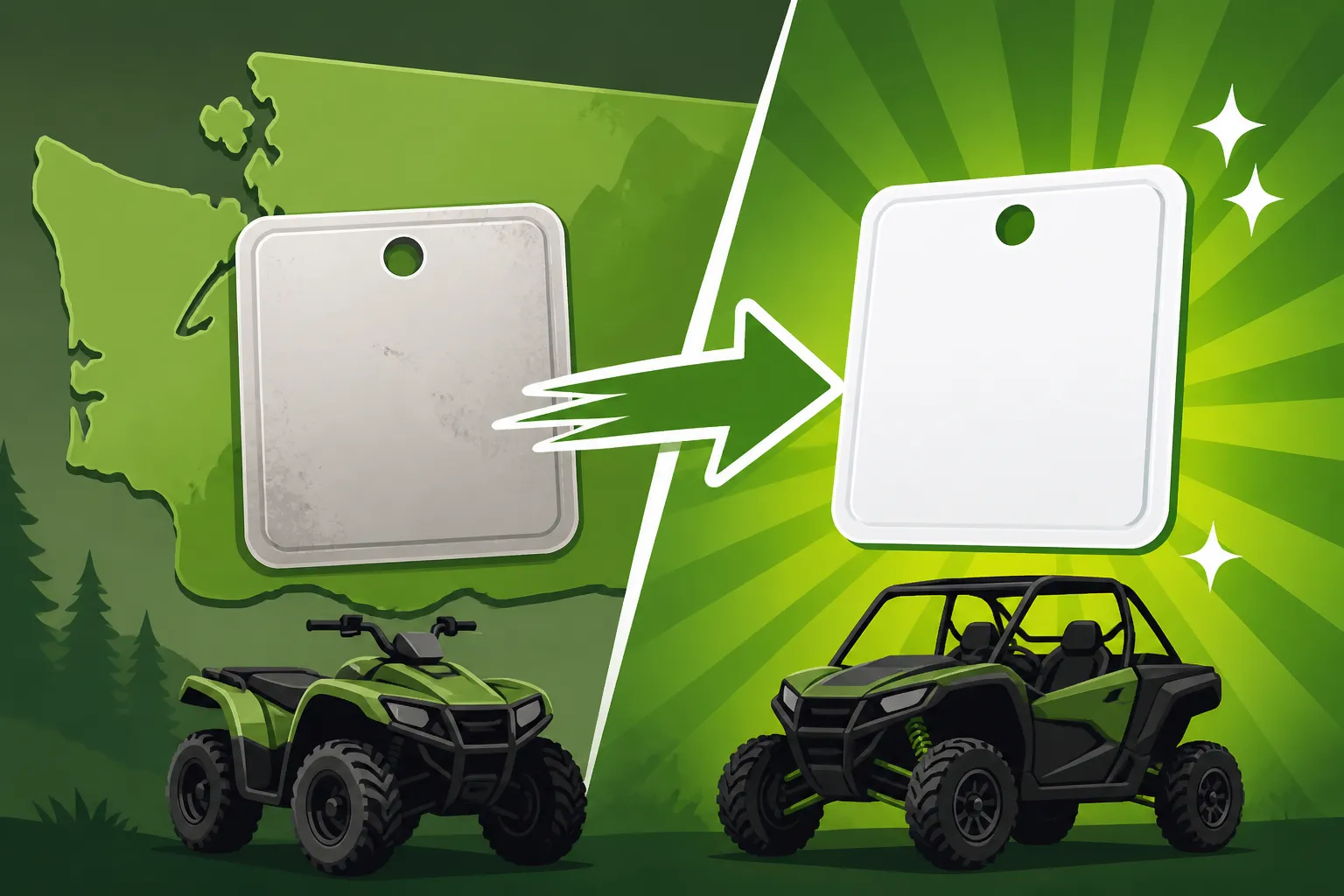
The $2 Tag Replacement in Washington
It’s a frustrating moment, isn't it? You’re getting ready for a fantastic weekend ride on your ATV or UTV in Washington, and then you notice it: that small, but crucial, metal identification tag is either gone, mangled, or so faded you can barely read it. Don't panic! Losing or damaging this essential piece of your machine's identity can feel like a big hurdle, but replacing it is surprisingly simple and won't break the bank. This guide is here to walk you through every step of getting your replacement tag so you can get back to enjoying Washington's incredible trails without a worry.
Understanding Your Washington WATV Metal Tag
Before we dive into the replacement process, let's take a moment to really understand what this little metal tag is all about. It's more than just a piece of stamped aluminum; it's a critical component of your Washington Wheeled All-Terrain Vehicle (WATV) registration. Knowing its purpose helps you appreciate why it's so important to have it properly affixed and legible.
What This Little Metal Tag Actually Is
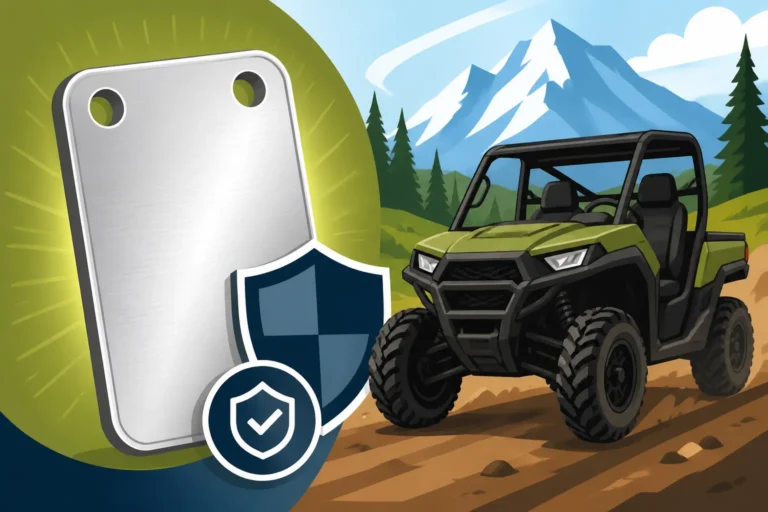
Think of your metal tag as the permanent identification plate for your specific WATV. Unlike the annual registration decals that change color and year, this metal tag is designed to stay with your machine for a significant period. It carries a unique number that corresponds directly to your vehicle’s registration record with the Washington State Department of Licensing (DOL). This number helps law enforcement and trail rangers quickly identify your machine and verify its registration status, which is pretty handy when you're out exploring vast areas like Capitol State Forest or Walker Valley. It’s part of the comprehensive system that ensures all off-road vehicles are accounted for and contribute to trail maintenance through their registration fees.
The Big Difference Between Your Tag and Decals
Many new riders, or even seasoned ones, can sometimes confuse the metal tag with the annual registration decals. The key distinction lies in their purpose and lifespan. The colorful decals, which you typically place on the front and rear fenders, are your proof of current, active registration for that specific year. You renew these annually, and they show a new color and year each time. The metal tag, however, is a more permanent fixture. It signifies that your machine is officially recognized as a WATV in Washington State and is issued once, meant to last for many years. It's essentially the long-term identifier, while the decals are your yearly "permission slip" to ride. Understanding [Washington's Two-Tab System] can further clarify how these pieces work together.
Why It's So Durable, Yet Still Needs Care
The metal tag is specifically designed to be tough. It's made of a durable metal, stamped with clear numbers, and built to withstand the elements that an off-road vehicle faces: mud, dust, rain, sun, and even the occasional scrape against brush. It's definitely not flimsy. This inherent durability is why [Why the Tag Is Replaced Every Seven Years] rather than annually. However, "durable" doesn't mean "indestructible." While it can take a beating, sustained exposure to corrosive elements, impacts from trail debris, or even constant pressure washing can still cause it to bend, scratch, or become illegible over time. This is why, despite its robust nature, it still requires a little attention and smart mounting to ensure it stays in good shape for its intended lifespan.
Common Reasons You Might Need a Replacement
Life, especially off-road life, can be unpredictable. Despite our best efforts to protect our machines and their important identifiers, things happen. It’s important to remember that needing a replacement tag isn't a sign of carelessness; it's simply a part of owning and actively using a WATV. Let's look at some of the most common scenarios that lead riders to seek a new metal tag.
The Frustration of a Lost or Stolen Tag
Imagine you've just finished a fantastic ride up in the Ahtanum State Forest, navigating some gnarly climbs and dusty roads. You get home, hose down your machine, and then realize the metal tag isn't where it should be. It could have simply vibrated loose on a particularly bumpy section of trail, or perhaps the mounting screws gave way. Alternatively, and more frustratingly, your tag might have been stolen. While it's a small item, thieves might take them for illicit purposes or simply out of mischief. The moment you discover a missing tag, it can feel like a knot in your stomach. Not only do you know you're technically riding illegally without it, but the thought of the paperwork and hassle can be daunting. The good news is, the DOL understands these things happen, and they’ve made the replacement process relatively painless. This is precisely why it's crucial to address it promptly, rather than waiting until you face a roadside check by a ranger.
Wear and Tear: When Time and Trails Take Their Toll
Even the toughest materials succumb to the relentless forces of nature and regular use. Your metal tag, while sturdy, isn't immune. Years of exposure to Washington's varied climate—from the wet winters of the Coast Range to the hot, dusty summers of Eastern Washington—can take their toll. UV rays can fade the paint and clear coating, making the numbers harder to read. Mud and grit, especially if not regularly cleaned, can abrade the surface. Constant vibrations from the engine and rough trails can cause microscopic stress fractures that eventually lead to the tag becoming brittle or even breaking. I've certainly seen tags on older machines that were so weathered you had to squint to decipher the numbers. When your tag becomes legitimately illegible, it's just as much of a problem as a missing one, as it fails its primary purpose of identification.
Accidental Damage: When Life Happens Off-Road
Sometimes, it’s not just wear and tear; it’s a sudden, unfortunate incident. Perhaps you were carefully backing your side-by-side out of a tight spot at Reiter Foothills and clipped a tree stump just wrong, bending the tag beyond recognition. Or maybe a loose branch on a narrow trail snagged it, ripping it partially off. Even during transport, an improperly secured load or a piece of gear shifting could inflict damage. These accidental moments are part of the adventure, but they can leave your metal tag in need of replacement. It’s a bummer when it happens, but again, the important thing is to address it. Riding with a damaged or unreadable tag could lead to issues if you encounter law enforcement or trail officials, even if your registration decals are perfectly up-to-date. Taking care of [Washington WATV Metal Tag Replacement] is a quick fix to ensure you stay compliant.
The Straightforward Process of Getting a New Tag
The thought of dealing with government agencies can sometimes feel overwhelming, but replacing your WATV metal tag in Washington is designed to be a relatively simple affair. You won't need to jump through endless hoops, but having your ducks in a row will definitely make the process smoother and quicker.
Gathering Your Essential Documents
Before you head out, make sure you have the necessary information and documents ready. The key here is proof of ownership and identification. You'll definitely need your current registration certificate (the paper one you should be [Carrying the Registration in the Machine] when you ride). This document links your name, your machine's Vehicle Identification Number (VIN), and the unique number on your metal tag. If you can, also bring your WA ID or driver's license. While you don't typically need a separate bill of sale just for a tag replacement, having all your documentation organized for your WATV is always a good practice. In scenarios where original documents are lost or if you're dealing with unique circumstances like an inherited machine, you might need to establish ownership more formally. For general legal forms like a bill of sale, if you ever needed one for a transaction, resources like LawDepot offer templates that can be useful starting points.
Where to Go: Licensing Offices and Subagents
You have a couple of convenient options for getting your replacement tag. The most common route is visiting a local vehicle licensing office or a subagent. These are the same places where you handle your annual tab renewals or vehicle titling. You can usually find a list of locations on the Washington State Department of Licensing website. Bringing all your documents in person allows them to verify everything on the spot and process your request immediately. While some online services exist for certain renewals, a physical metal tag replacement generally requires an in-person visit to ensure the correct tag is issued and tied to your machine's record. This also gives you an opportunity to ask any questions you might have about [Washington WATV Registration Paperwork] or other aspects of your machine's compliance.
Filling Out the Paperwork for Your Replacement Tag
The "paperwork" for a replacement metal tag is typically minimal and straightforward. You'll likely fill out a simple form requesting a replacement, stating the reason (lost, stolen, damaged, etc.). The clerk at the licensing office will guide you through this. You'll need to provide your vehicle's VIN, your current license plate (if applicable to another vehicle you own, or your WATV's off-road decal number), and your personal identification. Make sure all the information you provide matches your existing registration records perfectly to avoid any delays. The process is designed to be quick because the tag itself is a small, low-cost item that needs to be replaced to maintain compliance, rather than a full re-registration of the vehicle.
The Minimal Cost and What Happens Next
One of the pleasant surprises about replacing your WATV metal tag in Washington is just how inexpensive it is. The state understands that this is a functional item that occasionally needs to be replaced, and they've kept the cost incredibly low to encourage compliance. This affordability helps riders get back on the trails without an unnecessary financial burden.
The Affordable $2 Replacement Fee
Yes, you read that right: the cost for a replacement metal tag in Washington State is typically just $2. This small fee makes it incredibly accessible for riders to replace a lost, stolen, or damaged tag without hesitation. It covers the administrative cost of issuing and stamping a new tag, and it's a testament to the state's focus on maintaining clear identification for all registered WATVs. When you consider the cost of other vehicle-related fees, this $2 charge is remarkably low and certainly shouldn't deter you from getting your machine legally identified again. It’s certainly one of the cheapest fees associated with owning a WATV, making [Washington WATV Metal Tag Cost] incredibly manageable.
What to Do While You Await Your New Tag
In most cases, if you visit a licensing office in person, you'll walk out with your new metal tag on the same day. They usually have them on hand and can stamp them for you. However, there might be rare instances, especially if you're at a very small subagent office or if there's an unusual request, where they might need to order one, resulting in a short wait. If this happens, or if you somehow process it by mail (though in-person is recommended for speed), you should still have your current, valid paper registration certificate. This certificate, along with your annual decals, is your primary proof that your machine is registered. While waiting for the physical tag, you should still carry this documentation whenever you ride.
Ensuring Legal Operation While You Wait
Even with a replacement tag on its way, you technically need to have a visible, legible metal tag on your machine to be fully compliant. However, if you have just processed the replacement and are awaiting its arrival, carrying your dated receipt from the licensing office, along with your up-to-date paper registration and annual decals, should generally suffice as proof that you are in the process of rectifying the situation. Most rangers and law enforcement officers are understanding when presented with proof that you've taken the necessary steps. The most important thing is to avoid riding without any proof of registration or without having initiated the replacement process. The goal is always to demonstrate that you are a responsible WATV owner. In any case, a document confirming purchase or transfer of ownership, which could be drafted using a service like LawDepot if it's a private sale, should be kept with your other WATV records.
Tips for Protecting Your New Metal Tag
Once you have that shiny new $2 metal tag in your hand, you'll want to take steps to ensure it stays put and remains legible for its full seven-year lifespan. A little bit of proactive protection can save you another trip to the licensing office and another $2 down the road.
Strategic Mounting Locations for Longevity
Where you mount your metal tag makes a big difference in its longevity. The Washington Department of Licensing (DOL) generally requires the tag to be "permanently affixed" and "conspicuously displayed" on your WATV. This usually means on a sturdy, visible part of the frame or body. Avoid areas that are prone to heavy impacts, constant scraping against brush, or direct spray from mud and debris. Many riders choose a spot on a main frame tube, a flat part of the fender that's out of the direct line of fire, or a dedicated bracket. Use strong, corrosion-resistant bolts or rivets, not just adhesive, to truly "permanently affix" it. Double-check that it's not going to rattle loose from vibrations. For specific guidance, you can refer to [Where the Metal Tag Mounts] to get an idea of common and recommended locations.
Guarding Against Theft and Damage
While the metal tag itself is only worth $2, its absence can cause inconvenience. To deter theft and prevent damage, consider a few extra precautions. For theft, simply ensuring it's mounted securely with tamper-resistant fasteners can help. If you frequently park your machine in unsupervised areas, you might also consider securing your machine itself with a lock. For damage, the strategic mounting mentioned above is key. Some riders even fabricate a small, clear plastic cover or shield to go over the tag, protecting it from flying debris and the elements while still keeping it visible. This can be especially useful if your primary riding involves a lot of mud or rock trails where impacts are more likely.
Regular Checks to Avoid Future Hassles
Make it a habit to periodically inspect your metal tag, perhaps as part of your pre-ride checklist or during regular maintenance. A quick glance can tell you if it's still securely attached, if the numbers are clear, or if it shows any signs of damage or corrosion. If you notice a screw is loose, tighten it. If it's caked in mud, give it a gentle clean. Catching small issues early can prevent the tag from falling off entirely or becoming unreadable. This simple routine is a great way to maintain compliance and avoid the minor hassle of a replacement in the future. Remember, staying on top of small details like this ensures you're always ready for your next adventure on Washington's beautiful trails. If you're ever dealing with the sale of your WATV, ensuring the tag is intact and readable is also crucial, and having a proper [A Washington Bill of Sale for a WATV] form (perhaps from a resource like LawDepot) would be essential for the transaction.
Comparing Your WATV's Identification Elements
To help clarify the role of the metal tag, here's a quick comparison of the different forms of identification your WATV carries in Washington State.
| Feature | Metal Tag | Annual Decals | Paper Registration Certificate |
|---|---|---|---|
| Purpose | Permanent identification of the WATV | Proof of current, annual registration | Legal document of ownership and registration |
| Lifespan | ~7 years (replaced for $2 if needed) | 1 year (renewed annually) | Indefinite (until ownership transfer or major changes) |
| Cost (Replacement) | $2 | Varies with annual renewal fee | Minimal fee for duplicate, if lost |
| Location | Affixed to the WATV frame/body | Front and rear fenders | Carried on your person or in the machine |
| What it Shows | Unique WATV ID number | Current registration year, expiration date, decal number | Your name, address, VIN, tag #, decal #, expiration |
| Importance | Primary long-term identifier, ties to VIN | Required for legal trail use each year | Must be carried when riding, ultimate proof |
Disclaimer
This article is for general informational purposes only and does not constitute professional advice. Laws, prices and regulations vary by location and change over time. Consult a qualified professional for guidance on your specific situation.